Why is Prescription Drug Abuse on the Rise? | Uncover 10 Facts
Prescription drugs are medications that can only be legally obtained with a doctor’s written approval (a prescription) because they are stronger, more controlled, and require medical supervision to use safely. For any medication to be referred to as a prescription drug, It must meet the following criteria:

Criteria of Prescription Drugs :
-
Require a doctor’s approval
You need a prescription from a certified health professional before you can buy them. -
Used to treat specific medical conditions
They are designed for serious or chronic conditions like infections, pain, high blood pressure, diabetes, anxiety, etc. -
Stronger and more potent than OTC drugs
Because they can cause serious side effects if misused, they must be controlled. -
Regulated by law
Governments strictly control their production, sale, and use to prevent misuse or addiction.
They are not the same as over-the-counter (OTC) medications, which are available to anybody without a prescription.
1). Why prescription drug abuse is on the rise
Prescription drugs were once viewed as safe, trusted companions. There were relievers of pain, controllers of anxiety, and balancers of moods. But over the years, these same life-saving medications have quietly evolved into one of the most misused substances in the world. What was meant to heal is now harming millions. The rise of prescription drug abuse has become a silent epidemic which spreads faster than many societies can understand or control.
This article seeks to explore why prescription drug abuse is increasing globally, the forces driving it, its consequences, and how society can respond.
Prescription drugs come in many categories, but three major classes are most commonly associated with misuse and addiction because they directly affect the brain, mood, and central nervous system. These are: (1). Opioids (2). Benzodiazepines (3). Stimulants
A. Opioids (Pain Relievers)
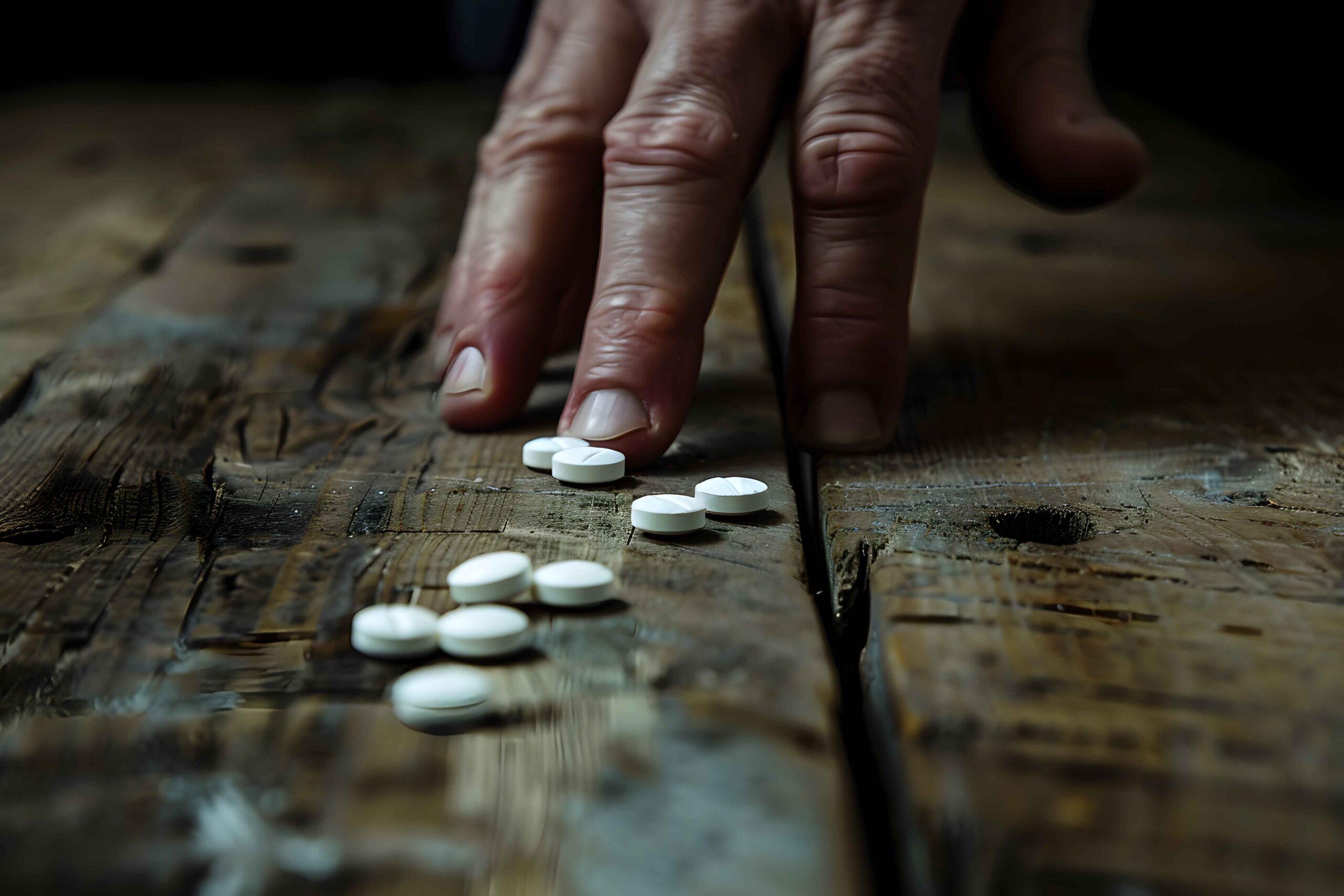
Opioids are powerful medications prescribed to treat moderate to severe pain, especially after surgery, injury, or in chronic conditions like cancer.
How They Work
Opioids attach to specific receptors in the brain and spinal cord. They:
block pain signals
create relaxation
can produce feelings of euphoria (“high”)
This is what makes them highly addictive.
Common Medical Uses
a). Post-surgery pain
b). Severe injuries
c). Chronic pain conditions
d). Palliative care
e). Cancer-related pain
Typical examples of Opioids are: i) Tramadol ii) Codeine iii) Morphine iv) Oxycodone v) Fentanyl
vi) Hydrocodone
Why People Abuse Opioids
a). To relieve pain without medical supervision
b). To feel relaxed or “high”
c). To escape stress or emotional pain
d). Peer influence and recreational use
Risks and Dangers
a). Severe addiction
b). Respiratory depression (slowed breathing)
c). Overdose and death
d). Tolerance (needing higher doses to feel the same effect)
Opioids have been at the center of major health crises in many countries.
B. Benzodiazepines (Sedatives / Anxiety & Sleep Medications)
Benzodiazepines—often called “benzos”—are medications that depress the central nervous system to produce calming, relaxing, and sedative effects.
How They Work
They enhance the effect of GABA which is a brain chemical that reduces nerve activity.
This results in : (a). reduced anxiety (b). muscle relaxation (c). drowsiness (d). slowed brain activity
Common Medical Uses
i). Anxiety disorders
ii). Panic attacks
iii). Insomnia (sleep difficulties)
iv). Seizures (some types)
v). Alcohol withdrawal
vi). Muscle spasms
Examples of Benzodiazepines are :
(i). Diazepam (Valium) (ii). Alprazolam (Xanax) (iii). Clonazepam (Klonopin) (iv). Lorazepam (Ativan) (v). Temazepam
Why People Abuse Benzodiazepines
i). To reduce anxiety quickly
ii). To help with sleep
iii). To feel calm or “numb”
iv). To intensify the effect of other drugs or alcohol
v). Recreational use for relaxation
Risks and Dangers
i). Strong physical dependence
ii). Withdrawal symptoms (can be dangerous or fatal)
iii). Memory problems
iv). Reduced concentration
v). Impaired coordination
vi). Addiction
vii). Risk of death when mixed with alcohol or opioids
C. Stimulants (Attention & Focus Medications)

Stimulants are medications prescribed mainly for conditions like ADHD (Attention-Deficit/Hyperactivity Disorder) and sometimes narcolepsy. They increase activity in certain parts of the brain, helping with: i). alertness ii). concentration iii). energy
How They Work
Stimulants increase levels of:
1). Dopamine (pleasure and motivation)
2). Norepinephrine (alertness and focus)
This causes increased wakefulness and improved cognitive function when used properly.
Common Medical Uses
i). ADHD
ii). Narcolepsy
iii). Certain severe cases of treatment-resistant depression
Examples of Stimulants
i). Methylphenidate (Ritalin)
ii). Adderall (amphetamine salts)
iii). Dexedrine
iv). Concerta
Why People Abuse Stimulants
i). To stay awake and study longer (common among students)
ii). To increase concentration
iii). To boost energy
iv). To lose weight
v). For the “high” feeling
vi). To enhance athletic or work performance
Risks and Dangers
i). High potential for addiction
ii). Increased heart rate and blood pressure
iii). Anxiety or panic
iv). Insomnia
v). Paranoia or hallucinations
vi) Heart attack or stroke (at very high doses)
Stimulant abuse is especially common among teenagers, university students, and young professionals.
Summary Table
| Class | Purpose | Examples | Why Abused | Major Risks |
|---|---|---|---|---|
| Opioids | Pain relief | Tramadol, Morphine, Codeine | Euphoria, relaxation | Overdose, addiction |
| Benzodiazepines | Anxiety & sleep | Valium, Xanax, Ativan | Calmness, sleep | Memory loss, dependence |
| Stimulants | Focus & alertness | Ritalin, Adderall | Energy, study aid | Heart issues, addiction |
2. Current Trends in Prescription Drug Abuse
Global Trends
Worldwide data shows a consistent rise in misuse, especially with opioids and anti-anxiety medications. Countries like the U.S. have declared opioid abuse a national crisis.
Regional Trends (Africa, Nigeria, Europe, etc.)
In many African countries including Nigeria, codeine-based cough syrups, painkillers, and tranquilizers are heavily abused due to easy access and inadequate regulation.
Age Groups Most Affected
a). Young adults (18–35): commonly misuse opioids, tramadol, cough syrups, and stimulants.
b). Teenagers: often experiment recreationally.
c). Older adults: may unintentionally misuse prescriptions due to chronic illnesses and multiple medications.
3. Factors Contributing to the Rise of Prescription Drug Abuse

Prescription drug abuse is increasing across the world due to a combination of medical, social, economic, technological, and psychological factors. These factors interact, making the problem more complex and widespread. Below are the major contributors :
i. Increased Availability of Prescription Drugs
More people than ever before have access to powerful drugs in many nations. Painkillers, anxiety medications, and stimulants are prescribed and distributed in enormous amounts by hospitals, clinics, and pharmacies. In homes, leftover medications are easy to experiment with, share, or abuse. The likelihood that these medications may be misused increases with their accessibility.
ii. Over prescription by Healthcare Providers
Some healthcare professionals prescribe strong medications—even for mild conditions—without thoroughly assessing the patient’s long-term needs.
This has created a situation where opioids, benzodiazepines, and stimulants are prescribed more frequently than medically necessary.
Once dependency begins, patients often continue using drugs even after their medical condition has improved.
iii. Self-Medication Culture
Across many countries (especially in Africa and parts of Asia), people commonly treat themselves without a doctor’s consultation.
Individuals with headaches, stress, pain, or anxiety walk into pharmacies and request strong medications.
This leads to:
a). taking drugs without proper dosage
b). mixing different medications
c). using drugs meant for others
Self-medication is a major driver of drug misuse and addiction.
iv. Rising Mental Health Challenges
Depression, anxiety, trauma, and stress levels are increasing globally due to economic instability, societal pressure, family issues, and lifestyle changes.
Many individuals turn to prescription medications for emotional or psychological relief.
Instead of seeking therapy or counseling, people rely on fast-acting drugs—especially benzodiazepines and opioids—to numb their pain.
v. Peer Pressure and Social Influence
Young people, especially students and young adults, are exposed to peers who encourage the recreational use of drugs.
This includes:
a). using stimulants for studying or exams
b). using cough syrups (codeine) for “high”
c). mixing painkillers with alcohol for fun
Social circles normalize misuse, and individuals feel pressured to fit in or experiment.
vi. Easy Access Through the Internet and Online Pharmacies
Purchasing prescription medications without verification is now quite simple thanks to the internet. Strong drugs are sold without a prescription by online pharmacies, many of which are uncontrolled. Another factor is social media, where some individuals covertly promote medications. It is quite challenging to monitor and govern this digital availability.
vii. Misconception That Prescription Drugs Are “Safe”
Many people believe that because a doctor prescribes the medication, it must be safer than illegal street drugs. This false sense of security leads to:
a). taking higher doses
b). taking drugs longer than prescribed
c). combining drugs with alcohol
People underestimate the addictive potential of legal medications.
viii. Economic Hardship and Stressful Living Conditions
Money problems, unemployment, unstable home environments, and societal stress lead many to use prescription drugs as a form of escape.
Opioids and sedatives temporarily reduce stress, emotional pain, and mental pressure—but this often leads to dependence or addiction.
ix. Pharmaceutical Marketing and Industry Influence
In some countries, pharmaceutical companies aggressively promote their medications to hospitals, clinics, and doctors. Additionally, companies downplayed the risks of addiction in the past especially with opioids thereby leading doctors to prescribe them more freely.
This singular action contributed significantly to today’s prescription drug crisis.
x. Lack of Strong Regulation and Monitoring
Many countries have weak systems for tracking prescriptions and without proper databases, drug monitoring systems, or strict enforcement, individuals can:
a). obtain multiple prescriptions from different doctors
b). abuse drugs without detection
c). purchase controlled substances easily
This regulatory gap encourages misuse.
xi. Social Media and Pop Culture Influence
Celebrities, influencers, musicians, and movies often glamorize drug use—especially codeine, Xanax, and stimulants. Young people imitate what they see online, leading to increased experimentation and misuse.
xii. Lack of Awareness and Public Education
Many people don’t understand the long-term consequences of misusing prescription drugs. They are unaware of the risks of addiction, overdose, organ damage, and death. With little education on safe drug use, misuse becomes widespread.
Summarily, Prescription drug abuse is rising not because of one cause, but due to a combination of :
a). increased access
b). mental health struggles
c). weak regulation
d). social influences
e). misinformation
f). economic pressures
4. Consequences of Prescription Drug Abuse
a). Health Effects
i). Addiction
ii). Liver and kidney damage
iii). Breathing problems
iv). Overdose and death
v). Mental disorders
b). Social and Family Impact
c). Economic Impact
Healthcare costs rise, productivity declines, and countries lose billions from drug-related challenges.
d). Legal Implications
5. Why Young People Are Particularly Vulnerable

a). Academic Pressure
Students misuse stimulants for reading or exams.
b). Recreational Curiosity
Many experiment to “feel good” or escape stress.
c). Social Media Influence
6. Role of Healthcare Systems and Policies
Governments and hospitals influence the availability of prescription drugs. Weak policies, poor monitoring, and lack of prescription databases contribute to rising abuse.
Some countries have implemented Prescription Drug Monitoring Programs (PDMPs) to track prescriptions and reduce misuse.
7. Preventive Measures and Solutions
a). Public Education and Awareness
Communities must be educated about the dangers of misuse.
b). Stricter Prescription Regulations
Doctors and pharmacies must follow controlled drug policies strictly.
c). Improving Mental Health Services
Affordable therapy, counseling, and stress support can reduce dependence on drugs.
d). School and Community Programs
Workshops and campaigns can help young people stay informed and safe.
e). Rehabilitation and Support Services
Support groups, rehab centers, and recovery programs play critical roles in healing addiction.
Conclusion
Prescription drug abuse is no longer a hidden issue, it is a growing crisis fueled by easy access, stress, misinformation, and weak regulations. Tackling it requires a combined effort from governments, families, healthcare providers, and individuals. Awareness, education, and strong support systems are key to preventing further harm.