Introduction
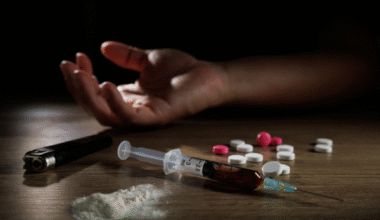
Substances that are prohibited from being manufactured, possessed, sold, or used because of their potential for abuse, addiction, and negative social and personal impacts are known as illicit drugs. Illicit pharmaceuticals are frequently manufactured and supplied outside of legal systems, which raises serious questions about their purity, content, and safety in contrast to prescription drugs that are regulated for medical purposes.
Regardless of age, country, or social position, the use of these narcotics is a global problem. Illicit drug use can occur for a number of reasons, including curiosity, peer pressure, stress reduction, or the desire for pleasure. But after the initial “high,” there are frequently long-term health issues, mental health conditions, and potentially disastrous social repercussions.
Understanding the different types of illicit drugs and their effects is crucial for several reasons:
Health Awareness: Understanding how these drugs impact the body and brain enables people to make wise choices and spot early warning indicators of abuse.
Prevention and Education: Educating communities, especially young people, about the risks reduces the likelihood of experimentation and dependency.
Policy and Enforcement: Governments and health organizations use knowledge of drug types and effects to develop laws, treatment programs, and harm-reduction strategies.
Support and Recovery: Families and caregivers can better support loved ones struggling with addiction when they understand what these drugs do and how recovery works.
1). Types of Illicit Drugs and their Effects
Classification of Illicit Drugs
Illicit drugs can be grouped into categories based on how they affect the brain and body. While individual substances may have unique properties, most fall into one of the following main classifications:
a) Stimulants
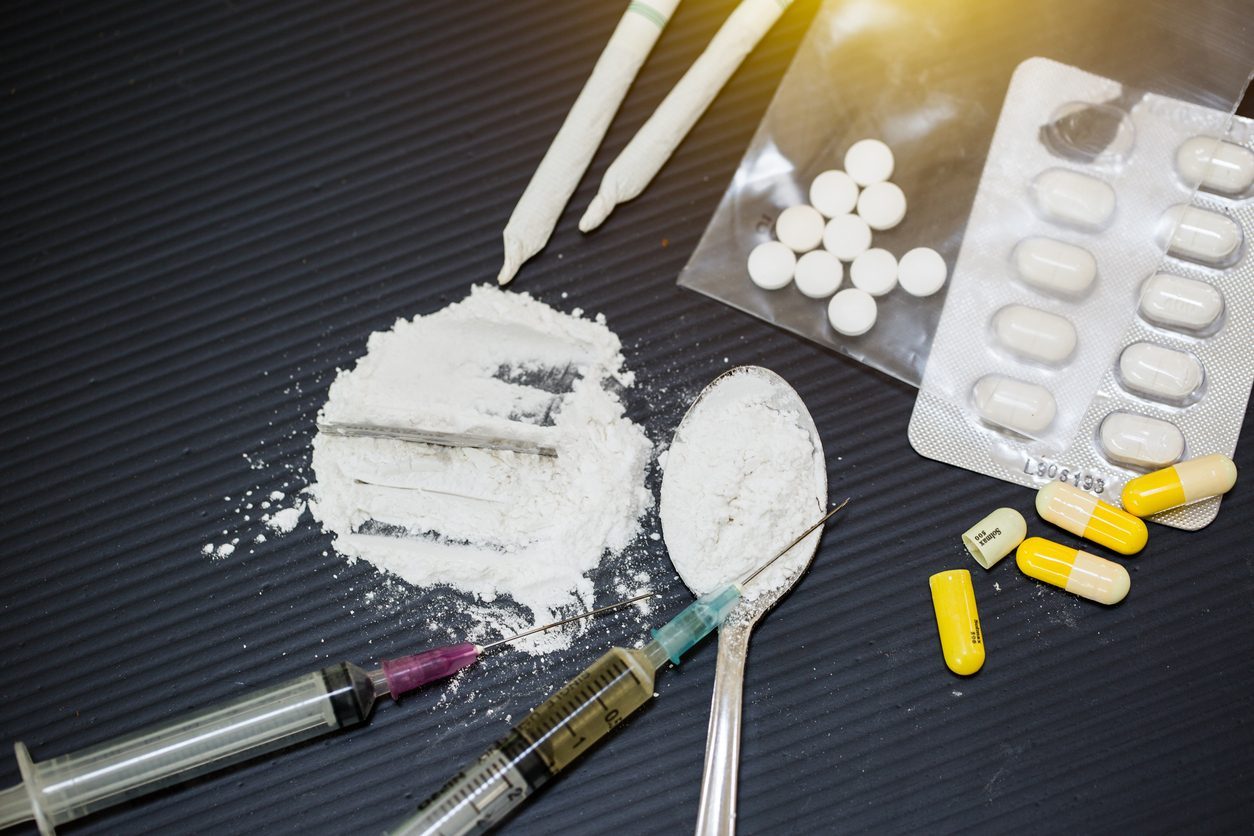
The central nervous system of the body is accelerated by stimulants, which raise alertness, vitality, and euphoric feelings. They are frequently taken for the momentary “rush” they offer, but they can swiftly cause addiction and serious health issues. Methamphetamine, cocaine, and ecstasy (MDMA) are a few examples.
Cocaine – Derived from the coca plant, typically snorted, smoked (“crack cocaine”), or injected.
Methamphetamine (Meth, Crystal Meth, Ice) – A powerful synthetic stimulant with long-lasting effects.
Ecstasy/MDMA – Often used recreationally in party and club scenes; produces stimulant and hallucinogenic effects.
Amphetamines – Sometimes prescribed for ADHD or narcolepsy, but commonly misused when obtained illegally.
i). Short-Term Effects of Stimulants
Increased heart rate and blood pressure
Heightened energy and alertness
Euphoria and elevated mood
Increased talkativeness and sociability
Suppressed appetite
Dilated pupils
Anxiety, restlessness, or paranoia (especially at high doses)
ii). Long-Term Effects of Stimulants
Addiction and psychological dependence
Chronic insomnia and fatigue
Severe weight loss and malnutrition
Persistent anxiety, paranoia, or psychosis
Damage to the cardiovascular system (heart attacks, strokes)
Memory problems and cognitive decline
Dental issues (commonly known as “meth mouth” in meth users)
iii). Hazards and Risks to Health
Overdose: Can cause seizures, irregular heartbeat, high body temperature, and death.
Mental Health Impact: Long-term use may lead to depression, hallucinations, and violent behavior.
Risky Behaviors: Increased impulsivity can result in unsafe sex, accidents, or criminal activity.
Addiction Cycle: The brain’s reward system is rewired, making it extremely difficult to stop using without treatment.
b) Depressants

Depressants reduce central nervous system activity and brain activity. Because they promote relaxation, drowsiness, and lowered inhibitions, they are occasionally referred to as “downers.” They can suppress breathing and result in lethal overdoses when taken in large quantities. Benzodiazepines, barbiturates, and gamma-hydroxybutyrate (GHB) are a few examples.
Common Examples of Depressants
Barbiturates – Powerful sedatives once widely used for anxiety and sleep but now less common due to high overdose risk.
Benzodiazepines (Benzos) – Medications like Diazepam (Valium), Alprazolam (Xanax), and Lorazepam (Ativan), often misused when taken without prescription.
Gamma-Hydroxybutyrate (GHB) – Known as a “club drug” or “date rape drug,” producing sedation and euphoria.
Alcohol – Though legal, it acts as a depressant and is often abused in combination with other drugs.
i). Short-Term Effects of Depressants
Relaxation and reduced anxiety
Drowsiness or sedation
Slurred speech and slowed reflexes
Impaired judgment and coordination
Lowered blood pressure and slowed breathing
Euphoria (in low to moderate doses)
Memory blackouts (especially with high doses or mixing drugs)
ii). Long-Term Effects of Depressants
Physical dependence and addiction
Chronic fatigue and concentration problems
Memory loss and learning difficulties
Liver and kidney damage (especially with alcohol and barbiturates)
Emotional instability and depression
Increased tolerance (requiring larger doses to feel effects)
Severe withdrawal symptoms (seizures, tremors, hallucinations, potentially fatal if untreated)
iii). Hazards and Risks to Health
Overdose: High doses or mixing with alcohol/other depressants can slow breathing to dangerous levels, causing coma or death.
Addiction Cycle: Users may develop psychological and physical dependence quickly.
Impaired Safety: Increased likelihood of accidents, falls, and risky decisions due to impaired coordination and judgment.
Withdrawal Risks: Unlike many other drugs, depressant withdrawal can be life-threatening without medical supervision.
c) Hallucinogens
Hallucinogens distort perception of reality by altering thoughts, moods, and sensory experiences. Users may see, hear, or feel things that are not real. While some experiences may feel euphoric, others can be terrifying and lead to dangerous behavior. Examples are LSD (Acid), Psilocybin (Magic Mushrooms), PCP, Ketamine.
Common Examples of Hallucinogens
LSD (Lysergic Acid Diethylamide) – A powerful synthetic drug often taken as blotter paper or tablets, known for causing intense “trips.”
Psilocybin (Magic Mushrooms) – Naturally occurring fungi that cause hallucinations and altered perception.
PCP (Phencyclidine, “Angel Dust”) – A synthetic drug with dissociative and hallucinogenic properties, often linked to aggressive or erratic behavior.
Ketamine – Used medically as an anesthetic, but misused recreationally for dissociation and hallucinations.
Mescaline (Peyote) – A natural hallucinogen derived from cactus plants.
i). Short-Term Effects of Hallucinogens
Altered perception of time, space, and reality
Visual and auditory hallucinations
Intense emotions (euphoria, fear, anxiety, or paranoia)
Distorted thinking and poor coordination
Increased heart rate and blood pressure
Sweating, nausea, and dizziness
“Bad trips” – frightening hallucinations and panic attacks
ii). Long-Term Effects of Hallucinogens
Persistent psychosis (hallucinations, paranoia, mood disturbances even after stopping use)
Hallucinogen Persisting Perception Disorder (HPPD) – recurring “flashbacks” of drug experiences without recent use
Memory and concentration problems
Anxiety, depression, and long-term psychological distress
Social and occupational impairment due to altered thinking patterns
iii). Hazards and Risks to Health
Unpredictability: No two trips are the same; effects depend on the user’s mindset, environment, and dose.
Accidents and Injuries: Impaired judgment can lead to dangerous behaviors or self-harm.
Mental Health Impact: Users with underlying conditions (e.g., schizophrenia) may experience worsened symptoms.
Toxic Reactions: Some synthetic hallucinogens are chemically unstable and may cause seizures or death.
d). Opioids
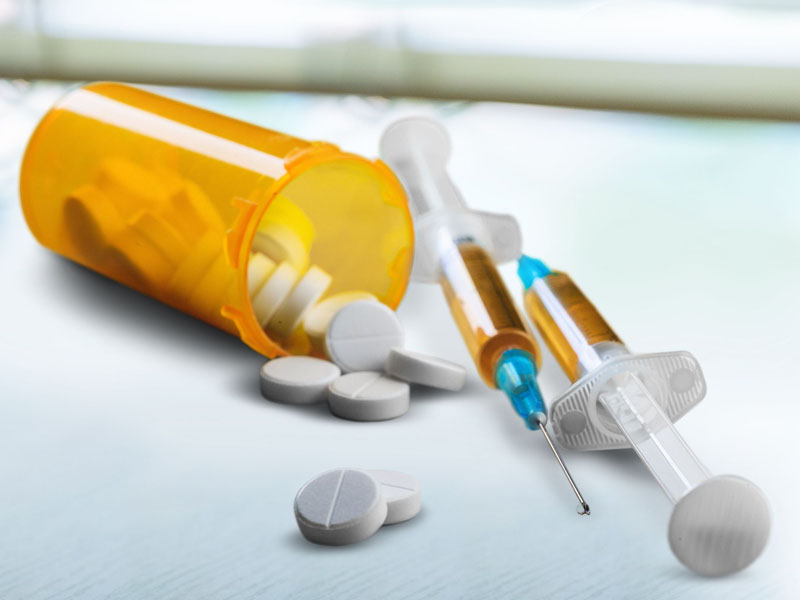
Opioids are a class of medications that create strong emotions of pleasure and relaxation as well as pain relief by acting on the opioid receptors in the brain. While some opioids, like morphine and codeine, are lawfully authorized for medicinal purposes, their illegal cousins, like heroin and fentanyl, are extremely addictive and rank among the most hazardous drugs in the world. Because of the high rates of dependency, overdoses, and fatalities, opioid abuse has contributed to a global health crisis.
Common Examples of Opioids
Heroin – An illegal, highly addictive drug derived from morphine, usually injected, smoked, or snorted.
Fentanyl – A synthetic opioid up to 100 times stronger than morphine; legal in medicine but widely misused in street drugs.
Morphine – A strong prescription painkiller, often misused outside of medical supervision.
Codeine – A less potent opioid found in some prescription cough syrups, misused for its sedative effects.
Oxycodone & Hydrocodone – Prescription opioids often misused for recreational purposes.
i). Short-Term Effects of Opioids
Intense euphoria (“rush”)
Pain relief and relaxation
Drowsiness and slowed reflexes
Constricted (“pinpoint”) pupils
Slowed breathing and heart rate
Nausea and vomiting
Itching and dry mouth
ii). Long-Term Effects of Opioids
Addiction and strong physical dependence
Tolerance (needing larger doses for the same effect)
Collapsed veins and infections (for those who inject)
Liver, kidney, and heart damage
Severe constipation and gastrointestinal problems
Weakened immune system
Cognitive impairment and memory loss
High risk of infectious diseases (HIV, Hepatitis) from needle sharing
iii). Hazards and Risks to Health
Overdose: The biggest risk; opioids can slow or stop breathing, leading to coma or death.
Withdrawal: Painful symptoms such as sweating, shaking, nausea, muscle pain, insomnia, and intense cravings.
High Addiction Potential: Opioids hijack the brain’s reward system, making quitting extremely difficult.
Street Risks: Many illicit opioids (especially fentanyl) are mixed with unknown substances, increasing overdose risk.
Social and Economic Impact: Long-term misuse often leads to job loss, family breakdown, and legal issues.
e) Cannabis
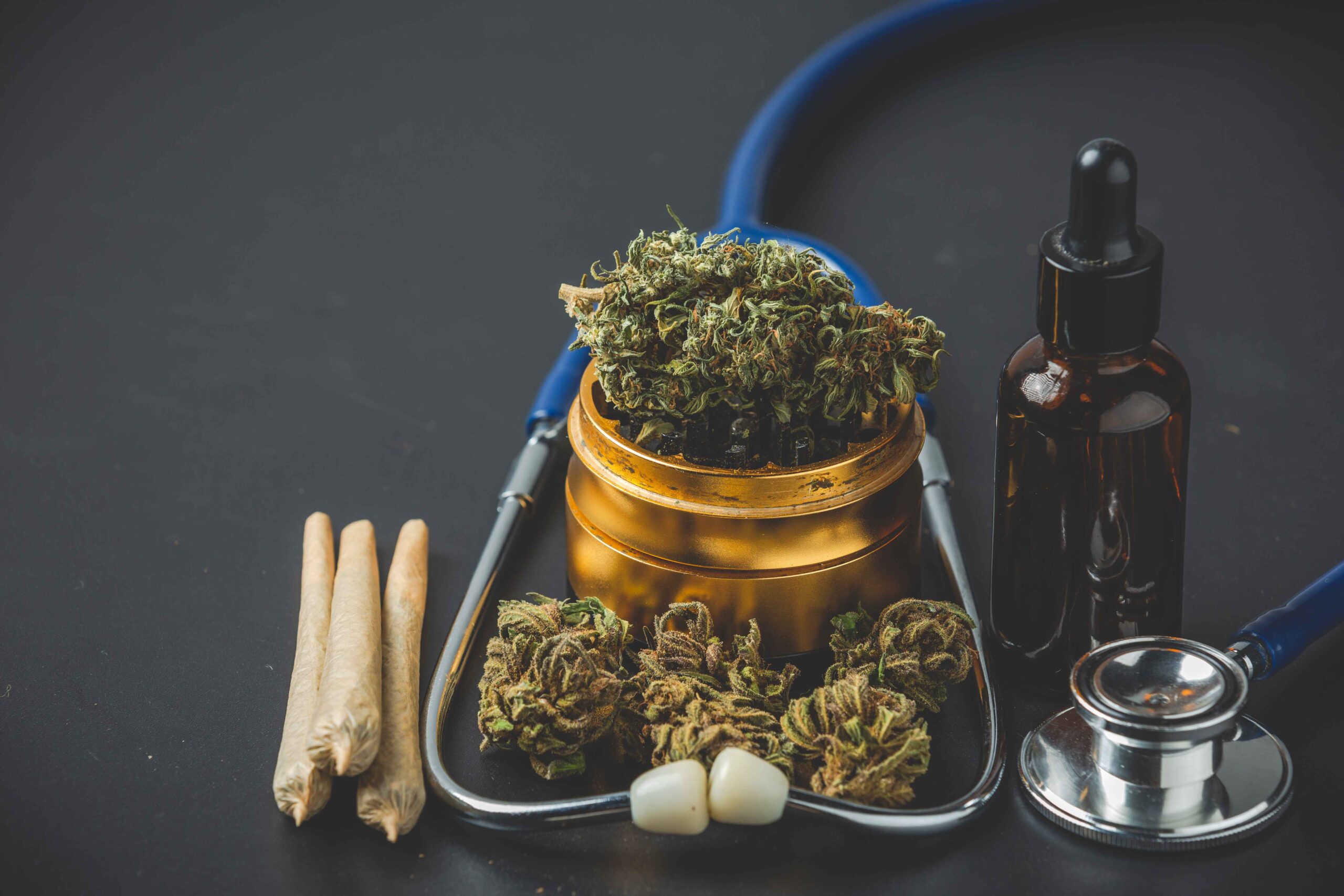
Cannabis is one of the most widely used psychoactive substances. While some regions allow its medical or recreational use, it remains illegal in many countries. Its effects can range from relaxation and altered perception to anxiety and impaired memory. Examples are Marijuana, Hashish, THC concentrates.
Common Forms of Cannabis
Marijuana – Dried leaves and flowers, usually smoked or vaporized.
Hashish – Concentrated resin extracted from the plant.
Cannabis oils & concentrates – Highly potent extracts consumed by vaping, edibles, or dabbing.
Edibles – Food and drinks infused with cannabis.
i). Short-Term Effects of Cannabis
Relaxation and euphoria
Altered perception of time and space
Heightened sensory perception (colors, sounds, tastes feel more intense)
Increased sociability or laughter
Dry mouth and red eyes
Increased appetite (“the munchies”)
Impaired memory, coordination, and reaction time
Anxiety, paranoia, or panic (especially in high doses)
ii). Long-Term Effects of Cannabis
Dependence and withdrawal symptoms (irritability, insomnia, cravings)
Impaired memory, concentration, and learning ability
Reduced motivation and productivity (“amotivational syndrome”)
Increased risk of chronic bronchitis and lung problems (when smoked)
Mental health issues (anxiety, depression, psychosis in vulnerable individuals)
Negative impact on brain development in adolescents and young adults
iii). Hazards and Risks to Health
Addiction: While less addictive than opioids or stimulants, cannabis can still lead to dependence in frequent users.
Impaired Driving: Reaction time and coordination are reduced, raising accident risks.
Unpredictable Potency: Modern cannabis products, especially concentrates, can have extremely high THC levels, increasing risks of paranoia and psychosis.
Gateway Risk: While controversial, early cannabis use is often associated with experimentation with other illicit drugs.
f) Inhalants
Inhalants are volatile substances that produce mind-altering effects when inhaled. They are often found in household or industrial products, making them accessible but extremely dangerous. Even a single use can cause sudden death. Examples are Glue, Paint Thinner, Nitrous Oxide (“Laughing Gas”).
Common Examples of Inhalants
Solvents – Glue, paint thinners, nail polish remover, gasoline.
Aerosols – Spray paints, deodorant sprays, hair sprays.
Gases – Butane lighters, propane tanks, nitrous oxide (“laughing gas”).
Nitrites – Known as “poppers,” used to enhance sexual experiences.
i). Short-Term Effects of Inhalants
Euphoria and dizziness
Slurred speech and poor coordination
Hallucinations or delusions
Nausea and vomiting
Lightheadedness and loss of motor control
Headaches and flushed skin
Excitability followed by drowsiness
ii). Long-Term Effects of Inhalants
Brain damage due to oxygen deprivation (“hypoxia”)
Memory loss and difficulty concentrating
Hearing loss
Kidney and liver damage
Nerve damage and muscle weakness
Persistent psychiatric disorders (anxiety, depression, hallucinations)
Bone marrow damage (leading to blood disorders)
iii). Hazards and Risks to Health
Sudden Sniffing Death Syndrome (SSDS): Even a single use can trigger fatal heart failure.
Asphyxiation: Bagging or huffing can cause suffocation due to lack of oxygen.
High Toxicity: Inhalants contain poisonous chemicals that damage organs with repeated exposure.
Addiction: While less common than with other drugs, frequent users may develop strong psychological dependence.
Gateway Risk for Youth: Early inhalant abuse increases the likelihood of trying other illicit drugs later in life.
g) New Psychoactive Substances (NPS/Designer Drugs)
Also known as “legal highs,” these are synthetic chemicals designed to mimic the effects of established drugs while evading law enforcement. Their composition is unpredictable, and their effects can be far more dangerous than the substances they imitate. Examples are Synthetic Cannabinoids (“Spice”), Synthetic Cathinone (“Bath Salts”).
It must be noted that each category of illicit drugs affects the body differently—some speed up activity, others slow it down, and some distort perception entirely. Despite these differences, they share common risks: high potential for abuse, addiction, health damage, and even death.
Common Examples of NPS
Synthetic Cannabinoids (“Spice,” “K2”) – Designed to mimic THC but can be far stronger and more harmful.
Synthetic Cathinones (“Bath Salts”) – Stimulant-like drugs similar to cocaine or methamphetamine.
NBOMe Compounds – Potent hallucinogens similar to LSD, but often much more toxic.
Flakka (alpha-PVP) – A powerful stimulant linked to violent and psychotic behavior.
Other “research chemicals” – Constantly emerging due to underground lab production.
i). Short-Term Effects of NPS
Intense euphoria or stimulation
Hallucinations and altered perception
Agitation, paranoia, or panic attacks
Increased heart rate, blood pressure, and body temperature
Aggressive or violent behavior (especially with synthetic cathinones)
Nausea, vomiting, and confusion
ii). Long-Term Effects of NPS
Severe mental health issues (anxiety, psychosis, depression)
Memory loss and reduced cognitive function
Cardiovascular problems (heart attacks, strokes)
Kidney and liver damage
Increased risk of seizures
Long-lasting paranoia and suicidal thoughts
iii). Hazards and Risks to Health
Unpredictability: Even small doses can cause extreme or life-threatening reactions.
Unknown Ingredients: Users rarely know the exact composition or strength of the drug.
High Overdose Risk: Potency varies widely, leading to accidental overdoses.
Rapid Evolution: New versions are constantly created, making treatment and regulation difficult.
Severe Psychiatric Impact: Strong links to violent outbursts, self-harm, and psychosis.
2). Health and Social Consequences of Illicit Drug Use

Illicit drug use has far-reaching effects that extend beyond the individual user. The consequences can be physical, psychological, and social, impacting families, communities, and entire societies.
i). Health Consequences
Physical Health: Chronic diseases such as heart problems, liver and kidney damage, lung disorders, and increased risk of infectious diseases (HIV, Hepatitis) from unsafe practices like needle sharing.
Mental Health: Anxiety, depression, paranoia, hallucinations, and psychosis are common, with some effects persisting long after drug use stops.
Overdose Risks: Many illicit drugs can suppress breathing, cause seizures, or trigger fatal heart complications, making overdose a leading cause of death.
Addiction and Dependence: Prolonged use alters brain chemistry, leading to strong cravings, withdrawal symptoms, and loss of control.
ii). Social Consequences
Family Impact: Drug use often leads to broken relationships, domestic conflict, and neglect of responsibilities.
Crime and Violence: Many users engage in theft, trafficking, or violent behavior to sustain their habits.
Economic Burden: High healthcare costs, reduced productivity, and loss of employment opportunities weigh heavily on communities.
Legal Consequences: Possession, trafficking, or production of illicit drugs leads to arrests, imprisonment, and long-term criminal records.
Community Safety: Increased rates of accidents, impaired driving, and unsafe neighborhoods are linked to drug misuse.
3). Addiction and Dependency
Addiction and dependency are central risks of illicit drug use. They develop when repeated drug use changes how the brain works, making quitting extremely difficult.
How Drugs Alter the Brain
Dopamine, the neurotransmitter associated with reward and pleasure, is released in large quantities by drugs. Without the medicine, users may experience depression or lack of motivation as the brain’s natural dopamine production gradually declines. Even when users are aware of the risks, this creates a vicious cycle of cravings and obsessive use.
Signs of Addiction
Strong cravings and inability to control use.
Neglecting work, school, or family responsibilities.
Tolerance – needing more of the drug to feel the same effect.
Withdrawal symptoms when not using.
Continuing use despite health, legal, or social problems.
Withdrawal and Recovery Challenges
Symptoms vary by drug but may include anxiety, sweating, nausea, tremors, insomnia, seizures, or severe depression.
Fear of withdrawal often keeps people trapped in addiction.
Recovery requires medical treatment, counseling, rehabilitation programs, and strong social support.
4). Prevention and Treatment
Addressing illicit drug use requires both prevention strategies to stop use before it begins and treatment programs to help those already struggling with addiction.
Prevention
Education & Awareness: Teaching young people and communities about the dangers of drug use.
Early Intervention: Identifying and supporting at-risk individuals before addiction develops.
Community Programs: Outreach, mentorship, and recreational activities that provide healthier alternatives.
Policy & Law Enforcement: Regulations to limit access and punish trafficking.
Treatment
Detoxification (Detox): Medical supervision to safely manage withdrawal symptoms.
Rehabilitation Programs: Inpatient or outpatient care focused on therapy, skill-building, and recovery.
Counseling & Behavioral Therapy: Helps change thought patterns and coping mechanisms.
Medication-Assisted Treatment (MAT): Certain drugs (e.g., methadone, buprenorphine) help manage opioid addiction.
Support Systems: Family involvement, peer groups (like Narcotics Anonymous), and aftercare programs.
Conclusion
The hazards associated with illicit drugs vary and include stimulants, depressants, hallucinogens, opioids, cannabis, inhalants, and novel psychoactive compounds. Although they may provide sensations of pleasure, relaxation, or escape in the short term, addiction, bodily harm, mental health issues, and social disturbance are frequently the long-term outcomes.
Drug usage has an influence on families, communities, healthcare systems, and economies all across the world in addition to the person. The brain is rewired by addiction, making recovery difficult but not impossible. People can overcome dependency and start over with prevention, education, treatment, and solid support networks.