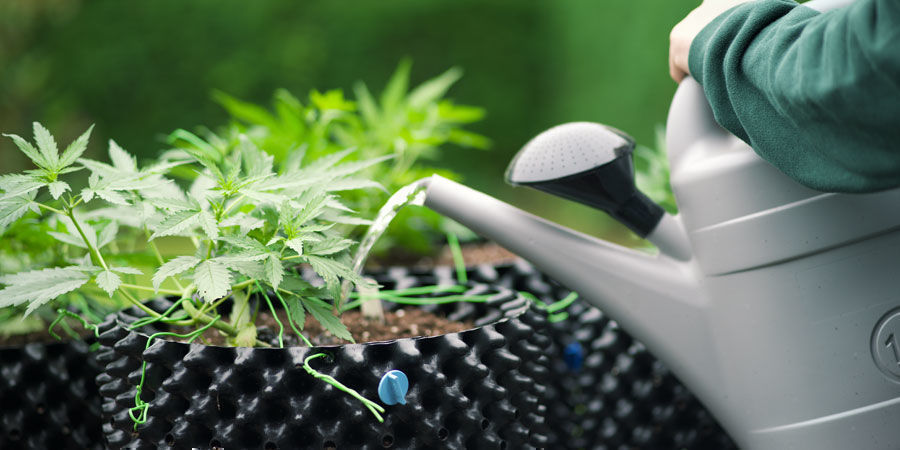
One of the most important aspects of successful cannabis farming is watering the plants. While too little water might cause your plants to become stunted and parched, too much water can drown the roots. Cannabis has different water needs than other crops, depending on the growing medium, environment, and stage of growth. There is therefore no one-size-fits-all solution; instead, you must learn to read your plants and make the necessary adjustments.
Getting watering right ensures your cannabis plants absorb the right balance of oxygen, nutrients, and moisture. When managed correctly, you’ll notice healthier roots, faster growth, and higher yields. But when mismanaged, even the best genetics or nutrient programs won’t save your crop.
HOW OFTEN DO YOU WATER CANNABIS PLANTS
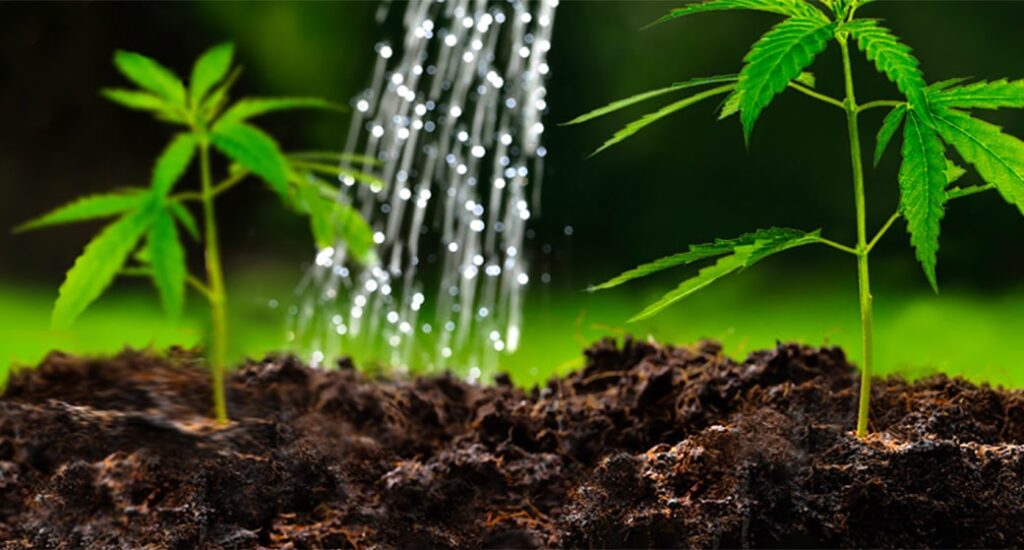
Allow me to explain how frequently you should water your cannabis plants, the variables that influence this frequency, the warning indications of overwatering and underwatering, and useful tips to maintain the health of your plants. By the end, you’ll know exactly how frequently to water cannabis plants at various growth stages.
I) Factors That Affect Watering Frequency
Watering cannabis plants isn’t as simple as following a fixed schedule. Different conditions influence how quickly your growing medium dries out and how much water your plants consume. Understanding these factors will help you avoid overwatering or underwatering, both of which can negatively affect plant health and yield.
Below are the key factors that determine how often you should water cannabis plants:
a). Plant Growth Stage
Cannabis water needs change as the plant matures. Seedlings, for example, have very small root systems that can’t absorb large amounts of water. Overwatering at this stage is a common mistake because the soil stays wet longer than the plant can handle, often leading to root rot. Instead, seedlings require light, gentle watering around the root zone every few days.
During the vegetative stage, roots expand rapidly, and plants build more leaves and stems. This higher metabolic activity means they drink more water. Growers often find themselves watering every 2–3 days, but the exact timing depends on other conditions.
By the flowering stage, especially in mid-flower, cannabis plants can consume significantly more water as they support heavy bud production. However, late in flowering, some growers reduce watering slightly to avoid moisture stress and to help buds finish more compact and resinous.
b). Pot Size and Container Type
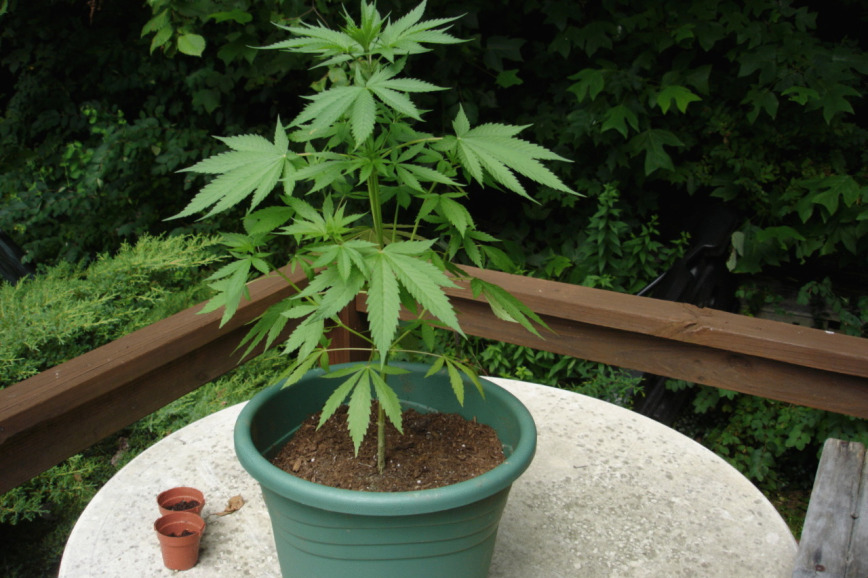
How often you water depends greatly on the size of your container. Because they can carry more soil or medium, larger pots have the capacity to hold more water and release it gradually. This makes it possible to go longer between waterings. However, smaller pots dry out more quickly and may need to be checked every day.
The kind of container is also important. In contrast to conventional plastic pots, which hold moisture for a longer period of time, fabric pots encourage airflow and dry more quickly. Though they are made to promote oxygenation and root trimming, air pots, also known as smart pots, necessitate more frequent watering due to higher evaporation.
Choosing the right pot size and material for your growing environment is essential. A small plant in a large pot can lead to overwatering because the soil stays wet too long. Conversely, a large plant in a small pot may dry out too quickly, requiring constant monitoring.
c). Growing Medium
Different growing mediums hold and release water at different rates. Soil, for example, retains moisture longer, making it more forgiving for beginners who may not check plants every day. A good quality soil mix typically requires watering every 2–4 days.
Coco coir, on the other hand, drains faster and doesn’t hold onto water as long. This means plants grown in coco often need watering once a day, and sometimes even twice a day during peak flowering. The advantage is that it’s harder to overwater coco, but it demands consistency.
Hydroponic systems are a different story altogether. Since roots are in direct contact with nutrient-rich water, plants have constant access to hydration. In this case, the frequency isn’t about when to water but how to maintain proper oxygenation and nutrient balance.
d). Temperature and Humidity
Environmental conditions strongly influence how fast plants use water. In hot, dry climates, evaporation happens quickly, and plants transpire more to keep cool. This increases water demand and means you’ll need to water more often.
In cooler or more humid conditions, the opposite occurs. Soil stays moist longer, and plants lose less water through their leaves. If you don’t adjust your watering schedule accordingly, you risk overwatering.
Growers in indoor setups must also consider light intensity. High-powered grow lights (like HPS or strong LEDs) raise temperatures and dry the medium faster, while low-intensity lighting slows water use. Proper ventilation and airflow can also speed up evaporation, requiring adjustments to watering frequency.
e). Plant Size and Health
Bigger plants drink more water, plain and simple. A mature cannabis plant with a well-developed root system will consume water at a much faster rate than a young one. Healthy plants with strong leaves and active growth will also take up water more efficiently than weak or stressed plants.
Stressed plants, whether from pests, diseases, or nutrient imbalances, may stop drinking as much water. If you don’t notice this and continue watering as usual, the soil may remain soggy, creating the perfect conditions for root rot.
Observing your plants’ health and growth vigor is just as important as checking soil moisture when deciding how often to water.
II) Watering Cannabis in Different Growth Stages
Cannabis plants don’t require the same amount of water throughout their lifecycle. Each growth stage comes with unique water demands, and understanding these differences is crucial to avoid overwatering or underwatering. The goal is to match your watering practices with the plant’s developmental needs, ensuring healthy root systems, steady growth, and abundant harvests.
a). Seedling Stage
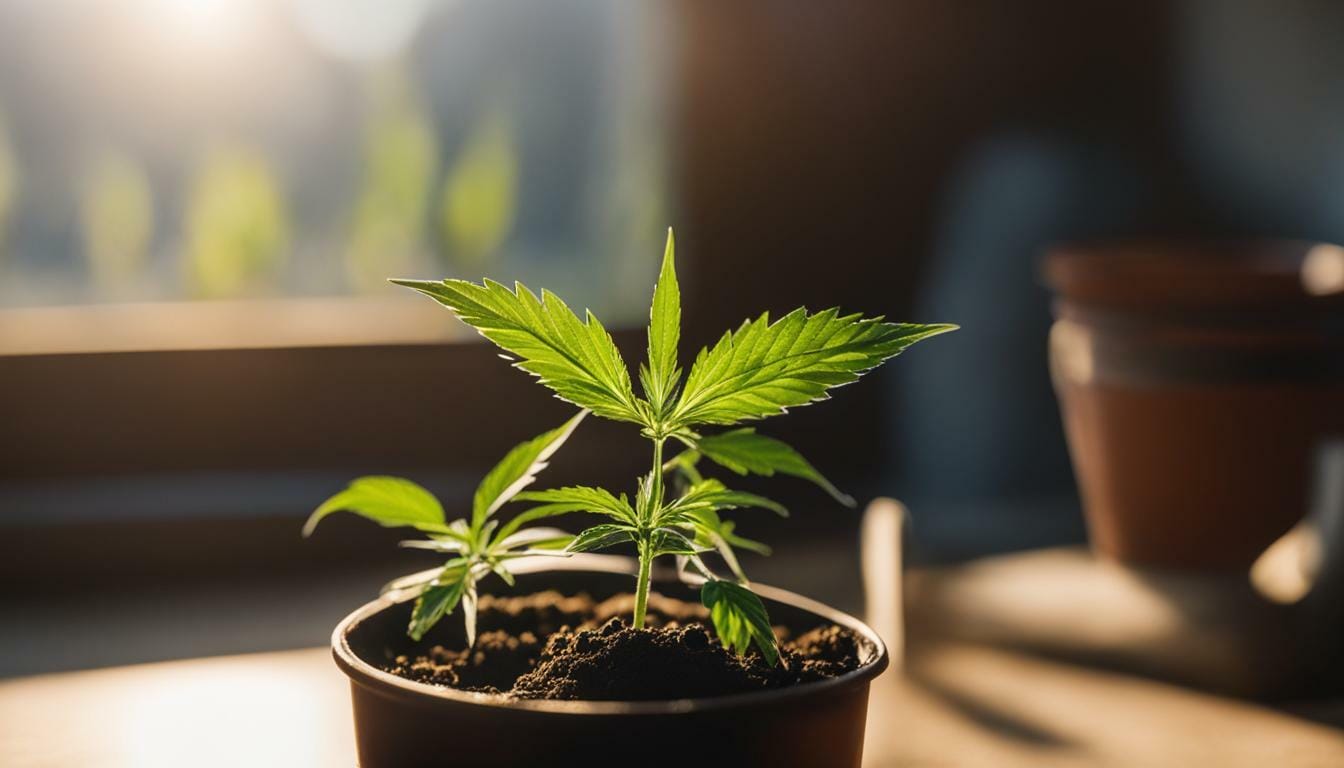
Seedlings are extremely delicate and require special care when it comes to watering. At this stage, the plant has only a small taproot and very few root hairs, meaning it cannot absorb much water at once. Overwatering is one of the most common mistakes here because excess moisture suffocates the fragile roots, leading to damping-off disease or root rot.
It is recommended to spritz or softly water the growing medium around the seedling to keep it slightly damp rather than soaking the soil. The top soil layer should be moist but not drenched. Many growers prefer to evenly apply little amounts of water using a spray bottle. In order to encourage the roots to spread out in search of moisture, it’s also a good idea to water the seedling in a circle.
Watering every two to four days is generally sufficient at this time, though frequency varies according on soil type and humidity. Before watering again, always allow the top layer of soil to dry out a little. Because smaller containers dry more quickly and are simpler to keep an eye on, keeping seedlings in starter cubes or smaller pots also helps avoid overwatering.
b). Vegetative Stage
During the vegetative stage, cannabis plants experience explosive growth. They develop larger leaves, thicker stems, and a rapidly expanding root system. As the plant size increases, so does its water demand. Unlike seedlings, vegetative plants thrive on deeper and more consistent watering sessions.
The common practice is to water thoroughly until you see about 10–20% runoff from the bottom of the pot. This ensures the entire root zone is hydrated and helps flush out excess salts from fertilizers. However, it’s important to let the soil dry out between waterings to prevent root problems. In most conditions, watering every 2–3 days is sufficient, though this may vary with pot size, temperature, and airflow.
Another key factor in this stage is the plant’s rapid nutrient uptake. Because water carries nutrients, inconsistent watering can lead to nutrient deficiencies or imbalances. Monitoring the pot’s weight, soil dryness, and leaf health is essential. Healthy vegetative plants should appear vibrant green, with leaves standing upright—this is a sign you’re watering correctly.
c). Flowering Stage
Cannabis plants focus their energy on creating buds during the flowering period. Due to the plant’s accelerated metabolism, water requirements are usually highest in the early to mid-flower stages. In example, if you’re growing in coco or utilizing high-intensity lights, you might need to water more regularly than during the vegetative stage.
Flowering plants are more vulnerable to stress, though. Because buds retain moisture, overwatering at this point might raise the danger of mold and mildew. Maintaining equilibrium is essential; water deeply only after the top inch or two of soil has dried. Pots shouldn’t be left in stagnant water as this can promote fungus growth.
In the final weeks of flowering, water intake often slows down as the plant reaches maturity. Many growers intentionally reduce watering slightly toward harvest to prevent overly moist buds and to encourage resin production. This practice, sometimes called “drying out” before harvest, must be done carefully to avoid stressing the plant too much.
III) Signs of Overwatering and Underwatering
a).Recognizing Overwatering
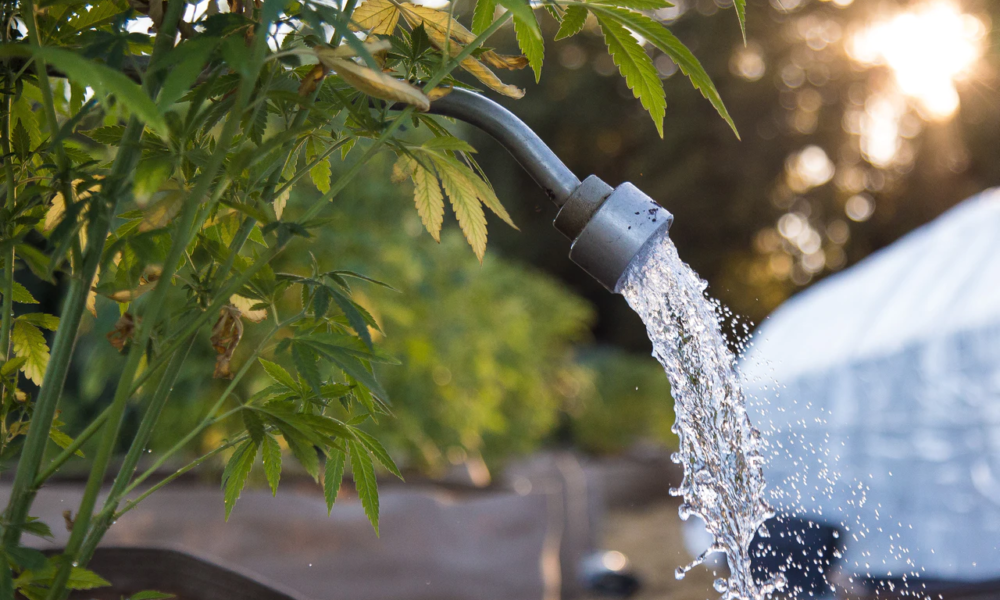
Overwatering is one of the most common mistakes growers make. Signs include drooping leaves that look heavy or “swollen,” yellowing, and slow growth. If roots are constantly submerged in waterlogged soil, they can suffocate, leading to root rot and fungal infections.
b).Recognizing Underwatering
Cannabis plants that are submerged exhibit a distinct set of symptoms. In contrast to overwatering, leaves will appear dry and brittle, but they will droop as though they are limp. Dehydration will cause the soil to slide away from the pot’s edges and slow down development. Long periods of underwatering can result in irreversible harm if they are not promptly addressed.
c).The Balance
The key is learning to distinguish between the two. While both cause drooping, the texture of the leaves and soil moisture will reveal the real issue. A good practice is to let the top inch or two of soil dry out before watering again, helping you avoid overwatering.
IV). How to Properly Water Cannabis Plants
a). The “Lift the Pot” Method
One of the simplest ways to know when to water cannabis plants is by lifting the pot. A freshly watered pot feels heavy, while a dry one feels noticeably lighter. This method requires no tools and becomes second nature once you practice it.
b). Watering Until Runoff
When you water, it’s important to do so thoroughly. Pour water until you see about 10–20% runoff coming from the bottom of the pot. This ensures the entire root zone is hydrated and prevents salt buildup from nutrients. Avoid shallow watering, which encourages weak, surface-level roots.
c). Best Time of Day to Water
The best time to water cannabis plants is in the early morning or just before lights come on (for indoor grows). This timing allows plants to use water efficiently throughout their active period and reduces the risk of mold or mildew that can form if soil stays wet overnight.
V). How Often to Water by Growing Medium
The type of growing medium you use for cannabis plays one of the biggest roles in determining how often you’ll need to water. Each medium holds and releases water differently, meaning that watering schedules must be tailored to avoid stressing the plants. While soil retains moisture for longer periods, coco coir dries out faster, and hydroponic systems work on a completely different principle.
Here’s how watering frequency changes across different growing mediums:
a). Soil
Soil is the most traditional growing medium for cannabis and is often considered the most forgiving, especially for beginners. It has good water retention properties, which means you don’t need to water every day. Typically, cannabis in soil requires watering every 2–4 days, depending on pot size, temperature, and airflow.
A good rule of thumb for soil-grown cannabis is to water only when the top 1–2 inches of soil feel dry to the touch. This prevents overwatering, which is a common issue when new growers water on a fixed schedule. Instead of guessing, you can use the “lift the pot” method—if the pot feels light, it’s time to water; if it’s still heavy, wait another day.
Soil also supports beneficial microbes that thrive when the watering cycle allows for both moisture and aeration. Overwatering not only suffocates roots but also disrupts this microbial ecosystem. Therefore, a balance between moisture and oxygen is key to healthy soil-grown cannabis.
b). Coco Coir
Coco coir is a popular soilless medium made from coconut husks. It offers excellent drainage and aeration but does not hold water as long as soil. This means cannabis plants grown in coco need to be watered more frequently—usually once a day, and sometimes even twice a day in peak flowering under high light intensity.
Unlike soil, coco coir contains no nutrients, so all feeding must come through the water. This makes watering even more critical, since every session delivers essential nutrients along with hydration. Missing a watering in coco can stress plants quickly, as the medium dries out faster and has less buffer capacity.
The key to success with coco is consistency. Because it dries fast, it’s difficult to overwater as long as you allow proper drainage. Many experienced growers prefer coco because it encourages faster root growth and allows precise control over feeding, but it demands more discipline with watering compared to soil.
c). Hydroponics
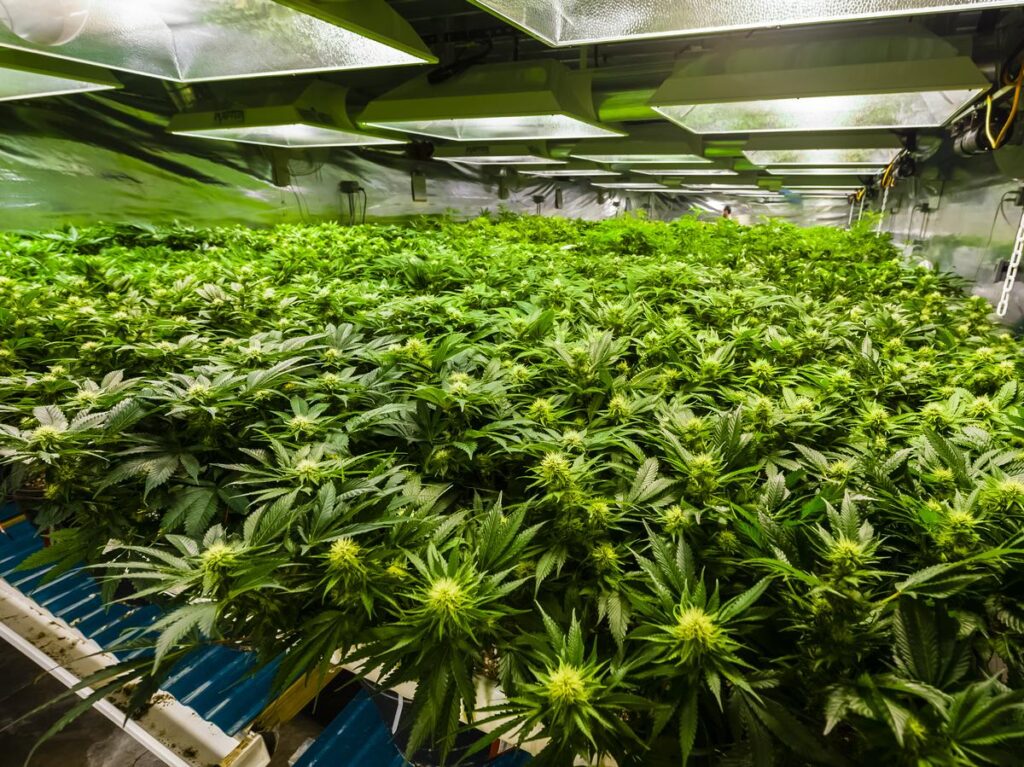
In hydroponic systems, roots are suspended in nutrient-rich water solutions rather of using soil or coco. This implies that plants always have access to nutrients and water, hence the idea of “watering frequency” isn’t relevant in the conventional sense. Rather, the grower is responsible for ensuring that the system is always in the proper balance of nutrients, oxygen, and water.
Water is supplied constantly or in predetermined cycles via hydroponic systems, such as drip systems, nutrient film technology, or deep water culture (DWC), depending on the design. The roots are always in direct touch with water, thus oxygenation is essential. Insufficient aeration can cause roots to suffocate, even in cases where water is plentiful.
The main advantage of hydroponics is explosive growth rates and efficient nutrient uptake. However, it also leaves little room for error. If the system fails or water quality drops, plants can wilt quickly. Successful hydroponic growing requires constant monitoring of pH, EC (electrical conductivity), and water temperature to ensure the roots stay healthy.
VI). Tips for Efficient Watering
a). Using pH and EC Meters
To make sure your plants are absorbing nutrients correctly, check their pH and electrical conductivity (EC). Inaccurate pH levels can lock up nutrients and result in shortages even if you water at the proper frequency.
b). Water Quality Considerations
Not all water is equal. Tap water may contain chlorine, chloramine, or high mineral levels that affect plant health. Many growers prefer filtered or reverse-osmosis water to avoid long-term issues.
c). Mulching and Moisture Retention
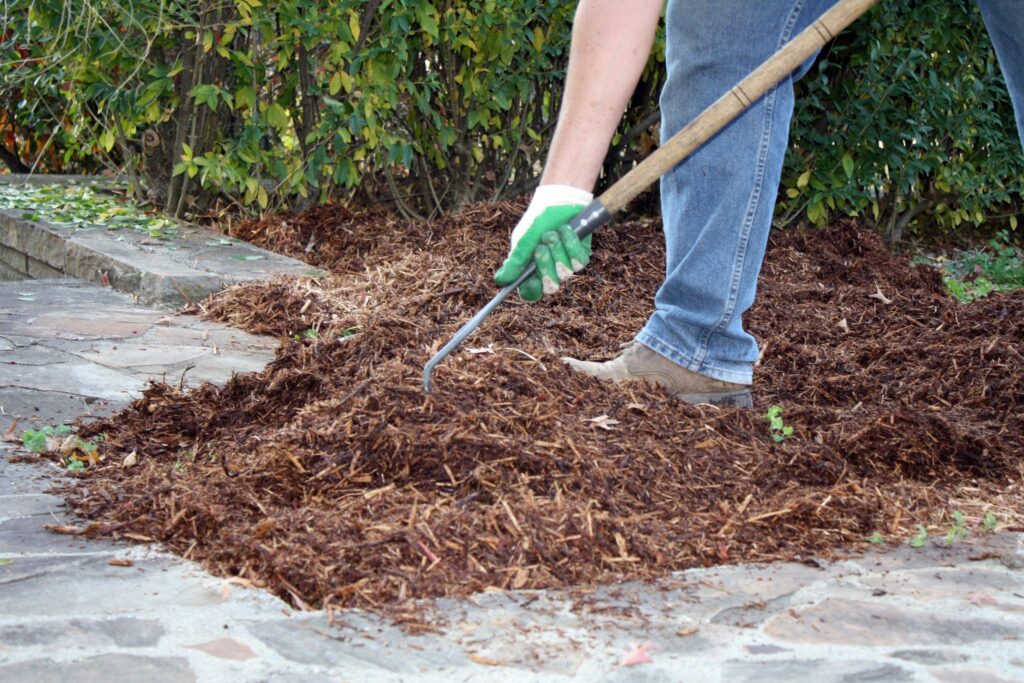
Using mulch on top of soil helps retain moisture, keeping roots cooler and reducing how often you need to water. Similarly, proper airflow and humidity control prevent excessive water evaporation.
d). Automated Watering Systems
Watering systems that are automated can be a lifeline for busy growers or large crops. Consistency is ensured with drip irrigation and timers, particularly in coco or hydro systems where regular watering is required.
VII. Common Mistakes to Avoid
a). Fixed Schedules
The biggest mistake is sticking to a rigid watering schedule, like watering every day without checking soil. Cannabis plants’ needs change depending on the environment, growth stage, and container type.
b). Ignoring Environmental Changes
Hot weather, strong lights, or low humidity can increase water demand, while cooler and more humid conditions decrease it. Failing to adjust for these changes often leads to mistakes.
c). Using the Wrong Containers
Non-breathable containers like plastic pots can trap water and cause overwatering issues. Fabric pots or air pots provide better aeration, reducing risks and encouraging strong root development.
VIII. Frequently Asked Questions (FAQs)
Should I water cannabis every day?
Not necessarily. Watering daily is usually too much unless you’re growing in coco or hydroponics. In soil, wait until the top 1–2 inches dry out before watering again.
How much water do cannabis plants need?
This depends on plant size and stage, but a general rule is to water until you see 10–20% runoff from the pot. Avoid small, frequent watering that only wet the surface.
Can I use tap water?
Yes, but it depends on quality. If your tap water has high chlorine or mineral content, consider filtering it. Poor-quality water can lead to nutrient lockout or buildup over time.
How do I know when it’s time to water?
Use the lift-the-pot method, check soil dryness, or look at plant leaves. A healthy routine combines all these checks instead of relying on guesswork.
In Conclusion
Cannabis plant watering is not so much a science as it is an art. The size of the plant, its stage of growth, its surroundings, and its growing medium all affect how frequently you water it. Understanding how to read your plants and soil can help you avoid frequent blunders and provide the proper amount of oxygen and water.
Observation, flexibility, and consistency are essential. The appropriate question to ask is, “How do I know when my cannabis plants need water?” rather than, “How often do you water your cannabis plants?” Once you have mastered this, you will be rewarded with copious crops and healthy growth from your plants.