Overview
Drug abuse does not discriminate. It affects people of every race, background, and profession—even the rich and famous. For celebrities, the pressure of fame, constant public scrutiny, and easy access to substances often create a dangerous mix. Many artists, actors, and athletes turned to drugs and alcohol as a way to cope with stress, depression, or the loneliness behind the spotlight. Tragically, for some, these choices led to early death.
This article explores some of the most well-known figures who lost their lives to drug abuse. Their stories are both heartbreaking and instructive, showing us the destructive power of addiction but also the urgent need for awareness, prevention, and compassion.
Famous People Who Died from Drug Abuse
I). Musicians Lost to Drug Abuse
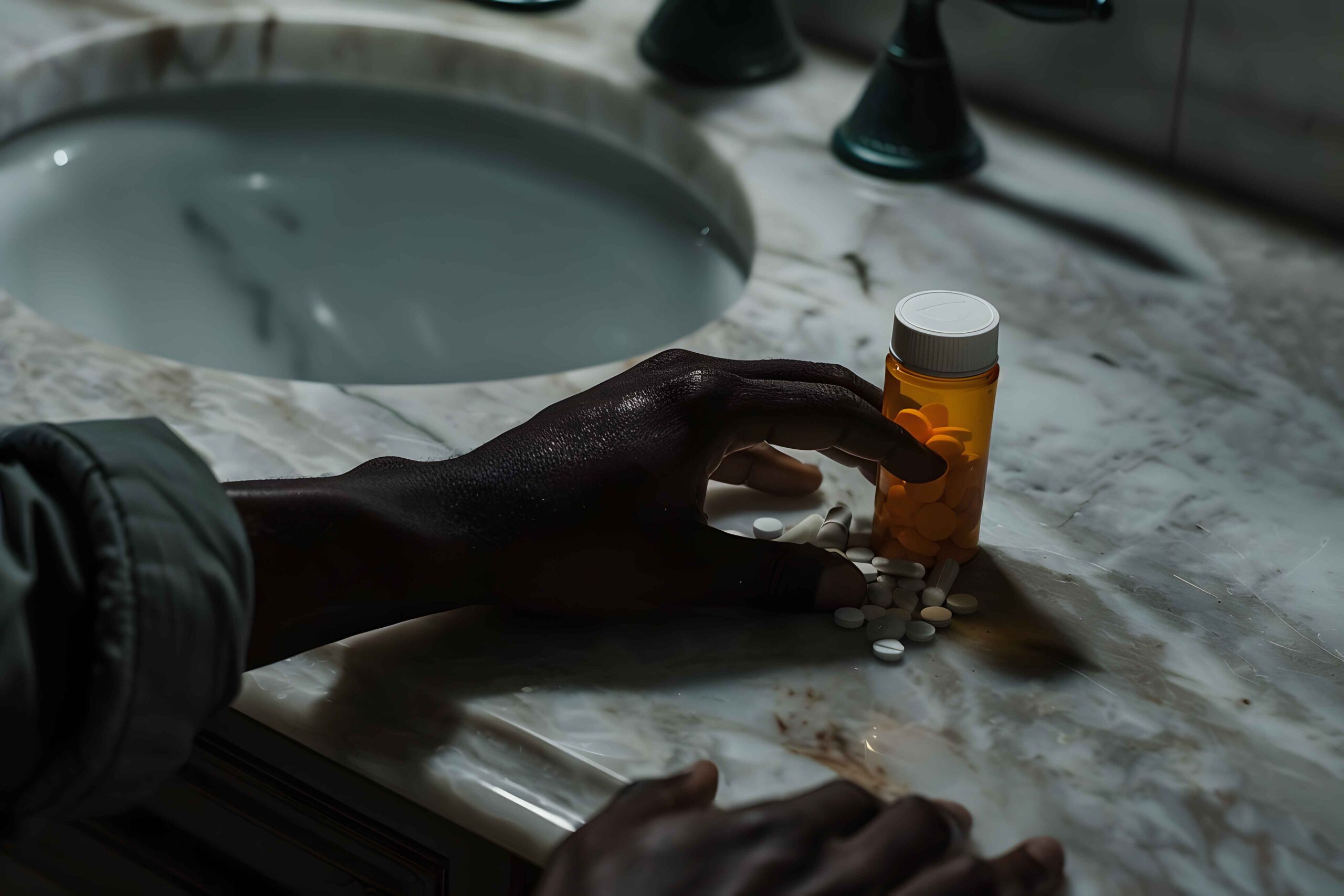
Music has long been intertwined with the struggles of addiction. From rock ’n’ roll to pop, the industry has seen many icons fall victim to drugs and alcohol.
Elvis Presley (1935–1977)
The “King of Rock and Roll” revolutionized music but also battled personal demons. Presley became dependent on prescription medications, including painkillers, sleeping pills, and sedatives. His long-term drug abuse contributed to his deteriorating health and sudden death at just 42 years old.
Jimi Hendrix (1942–1970)
One of the greatest guitarists of all time, Hendrix died at age 27 after asphyxiating on his own vomit, following barbiturate use. His death was a tragic reminder of how quickly drug abuse can end even the brightest careers.
Whitney Houston (1963–2012)
Known for her unmatched vocal range, Houston’s life spiraled into addiction struggles with cocaine and other substances. She was found dead in a hotel bathtub, with cocaine and heart disease contributing to her passing.
Amy Winehouse (1983–2011)
The soulful British singer, famous for Rehab, was open about her struggles with drugs and alcohol. Despite attempts at recovery, she died of alcohol poisoning at 27, joining the infamous “27 Club.”
Prince (1958–2016)
A musical genius with hits like Purple Rain, Prince secretly struggled with opioid painkiller dependency. He died of an accidental fentanyl overdose at age 57, sparking awareness of the dangers of counterfeit painkillers.
II). Actors and Actresses Who Fell to Addiction
Hollywood has long been a place where glamour and tragedy often walk hand in hand. Behind the flashing cameras, award shows, and red-carpet smiles, many actors and actresses have carried deep struggles with substance abuse. Drugs and alcohol became a refuge from pressure, loneliness, or personal battles—yet for some, this escape ended in an untimely death.
Marilyn Monroe (1926–1962)
Marilyn Monroe remains one of the most iconic actresses of all time. Known for her beauty, charm, and roles in classics like Gentlemen Prefer Blondes and Some Like It Hot, Monroe appeared to have it all. Yet privately, she struggled with depression, anxiety, and insomnia. To cope, she relied heavily on barbiturates and sedatives.
On August 5, 1962, Monroe was found dead at the age of 36 from a barbiturate overdose. Though questions still surround the exact circumstances of her death, her reliance on prescription drugs paints a picture of how addiction can silently erode even the brightest stars.
Heath Ledger (1979–2008)
Heath Ledger captivated audiences with his intense performances, especially his unforgettable portrayal of the Joker in The Dark Knight. However, his rise to stardom was accompanied by overwhelming pressure and personal struggles. Ledger battled insomnia and anxiety, leading him to misuse prescription medications such as painkillers, sleeping pills, and anti-anxiety drugs.
In January 2008, Ledger was found dead in his Manhattan apartment at just 28 years old, the victim of an accidental overdose of a lethal combination of prescription drugs. His passing left fans stunned, cutting short a career filled with limitless promise.
River Phoenix (1970–1993)
River Phoenix was hailed as one of the most talented young actors of his generation. With breakout roles in Stand by Me and My Own Private Idaho, Phoenix seemed destined for Hollywood greatness. Tragically, his life was cut short when he collapsed outside the Viper Room nightclub in Los Angeles after taking a “speedball”—a dangerous mix of cocaine and heroin.
He was only 23 years old. Phoenix’s death shocked the film industry and revealed the devastating consequences of peer pressure and the party culture surrounding young stars.
Philip Seymour Hoffman (1967–2014)
Philip Seymour Hoffman was one of the most respected actors in Hollywood, known for his versatility and critically acclaimed performances in films like Capote, The Master, and Doubt. Behind his professional achievements, however, Hoffman quietly battled drug addiction for decades. After maintaining sobriety for over 20 years, he relapsed in 2013.
On February 2, 2014, Hoffman was found dead in his apartment with a syringe in his arm. The cause of death was a heroin overdose combined with other drugs. He was 46 years old. His death served as a chilling reminder that addiction is a lifelong struggle, and relapse can be fatal.
Cory Monteith (1982–2013)
Cory Monteith rose to fame as Finn Hudson on the hit TV show Glee. Despite his wholesome on-screen image, Monteith struggled with substance abuse from a young age. Though he entered rehab and attempted recovery, addiction continued to haunt him.
On July 13, 2013, Monteith was found dead in his Vancouver hotel room at the age of 31. The cause of death was a toxic combination of heroin and alcohol. His sudden passing devastated fans and colleagues, leaving an unfillable void in the show that had made him a star.
III). Athletes Who Struggled with Substance Abuse
Athletes are admired for their discipline, strength, and resilience, but even the strongest bodies can be undone by addiction. The world of sports is filled with pressure to perform, cope with injuries, and maintain fame—factors that often push athletes toward drugs or alcohol. The tragic deaths of some of the greatest athletes remind us that addiction knows no boundaries.
Len Bias (1963–1986)
Len Bias was a rising basketball star, described by many as the next Michael Jordan. After being drafted by the Boston Celtics in 1986, he seemed destined for greatness. Tragically, just two days later, Bias died of a cocaine overdose during a celebration. His sudden death shocked the sports world and led to sweeping changes in drug policies and laws in the United States.
Diego Maradona (1960–2020)
Widely regarded as one of the greatest soccer players in history, Diego Maradona dazzled the world with his unmatched talent and skill. However, his career was also marred by years of cocaine addiction and alcohol abuse. Although his official cause of death was cardiac arrest at age 60, decades of drug abuse severely weakened his health and contributed to his decline.
Darryl Strawberry (1962– )
Strawberry was a baseball superstar in the 1980s and 1990s, known for his powerful swing and multiple World Series titles. Unfortunately, his career was repeatedly derailed by cocaine use and alcohol abuse. Though he didn’t die from addiction, his struggles highlight how substance abuse can rob athletes of their peak years and damage their legacy. Strawberry later turned his life around, becoming an advocate for recovery.
André Agassi (1970– )
The tennis legend shocked the world when he admitted in his autobiography that he had used methamphetamine during his career. Though he survived and eventually retired as one of the sport’s greats, his confession revealed how even elite athletes may turn to drugs as an escape from pressure and emotional struggles.
Michael Phelps (1985– ) (Honorable Mention)
The most decorated Olympian of all time faced public battles with substance use, including a DUI arrest and reported marijuana use. While Phelps did not lose his life to addiction, his struggles highlight the mental health challenges many athletes face. He has since become an advocate for therapy and mental wellness.
IV). The “27 Club”
The “27 Club” refers to a group of influential musicians and artists who all died tragically at the age of 27, many from drug or alcohol abuse.
Janis Joplin (1943–1970)
The powerful blues singer died from a heroin overdose, cutting short her meteoric rise.
Jim Morrison (1943–1971)
The enigmatic front man of The Doors was found dead in Paris, likely from a heroin overdose, though the exact cause remains uncertain.
Kurt Cobain (1967–1994)
The Nirvana front man struggled with heroin addiction and depression. While his official cause of death was suicide, drugs played a significant role in his struggles and untimely end.
Amy Winehouse (1983–2011)
Already mentioned earlier, Winehouse is the modern reminder of the 27 Club’s haunting legacy.
The 27 Club symbolizes both the intense creativity and the destructive pressures of fame.
V). Common Substances Behind Celebrity Deaths
Addiction has many faces, but certain substances appear repeatedly in the tragic deaths of famous people. Whether legal or illegal, these drugs not only shaped the personal struggles of celebrities but also exposed the darker side of fame, where stress, isolation, and constant scrutiny can drive people toward dangerous escapes. Below are some of the most common substances linked to celebrity deaths:
1. Prescription Drugs
Prescription medications are among the leading causes of celebrity overdose deaths. Painkillers, sleeping pills, and anti-anxiety medications are often prescribed to help with stress, insomnia, or chronic pain—but when misused, they can be just as dangerous as street drugs.
Heath Ledger died from a mix of prescription painkillers, sleeping pills, and anti-anxiety drugs.
Michael Jackson relied on Propofol, a powerful anesthetic, which ultimately caused his death.
Anna Nicole Smith passed away after overdosing on a cocktail of prescription sedatives.
The accessibility and false sense of “safety” that come with doctor-prescribed drugs often make them a silent but deadly danger.
2. Heroin and Other Opioids
Heroin has long been one of the deadliest substances in the world of music and film. Its addictive nature and the high risk of overdose have claimed numerous celebrity lives. In modern times, synthetic opioids like fentanyl have made the problem even worse, being many times stronger than heroin.
Philip Seymour Hoffman was found with heroin in his system.
River Phoenix died from a lethal speedball (heroin + cocaine).
Prince tragically died from an accidental fentanyl overdose.
Opioids provide a temporary escape but quickly enslave users, leading to fatal consequences.
3. Cocaine and Stimulants
Cocaine has been glamorized in entertainment culture for decades, but its destructive effects are undeniable. Stimulants like cocaine can cause heart failure, stroke, and fatal overdoses, especially when mixed with other substances.
Len Bias, the promising NBA star, died instantly from a cocaine overdose.
John Belushi and Chris Farley both died from speedballs, a deadly combination of cocaine and heroin.
Whitney Houston had cocaine in her system at the time of her death.
The stimulant’s false promise of energy and euphoria often hides its deadly risks.
4. Alcohol
Alcohol, though legal, has played a significant role in many celebrity deaths—often in combination with other drugs. Heavy drinking can lead to poisoning, organ failure, or accidents while intoxicated.
Amy Winehouse died from alcohol poisoning at just 27.
Dolores O’ Riordan of The Cranberries drowned after heavy alcohol intoxication.
Tyler Skaggs, MLB pitcher, had alcohol in his system alongside fentanyl and oxycodone.
Alcohol’s social acceptance often masks its devastating long-term impact.
5. Barbiturates and Sedatives
Before the rise of modern prescription drugs, barbiturates and sedatives were widely used to treat anxiety and insomnia—but their addictive potential made them notorious.
Marilyn Monroe died from a barbiturate overdose.
Judy Garland also succumbed to a long battle with barbiturate dependency.
Jimi Hendrix died after taking sleeping pills and suffocating on his own vomit.
These “downers” were especially common in Hollywood’s Golden Age, leaving behind a tragic legacy of addiction.
6. Dangerous Drug Combinations (“Speedballs”)
Some of the deadliest celebrity deaths involved mixing stimulants (like cocaine) with depressants (like heroin). Known as “speedballs,” these combinations create a dangerous push-pull effect on the body, overwhelming the heart and respiratory system.
John Belushi died of a speedball at 33.
River Phoenix collapsed outside The Viper Room from a similar mixture.
Chris Farley followed the same tragic pattern years later.
Speedballs remain one of the most lethal combinations in drug abuse history.
Finally, although the substances may differ, but the outcome is painfully similar: lives cut short, talent lost, and families shattered. From prescription medications to illicit street drugs, the common thread is that none of these substances discriminate—they take lives regardless of fame, wealth, or talent.
VI). Lessons from Celebrity Drug Deaths
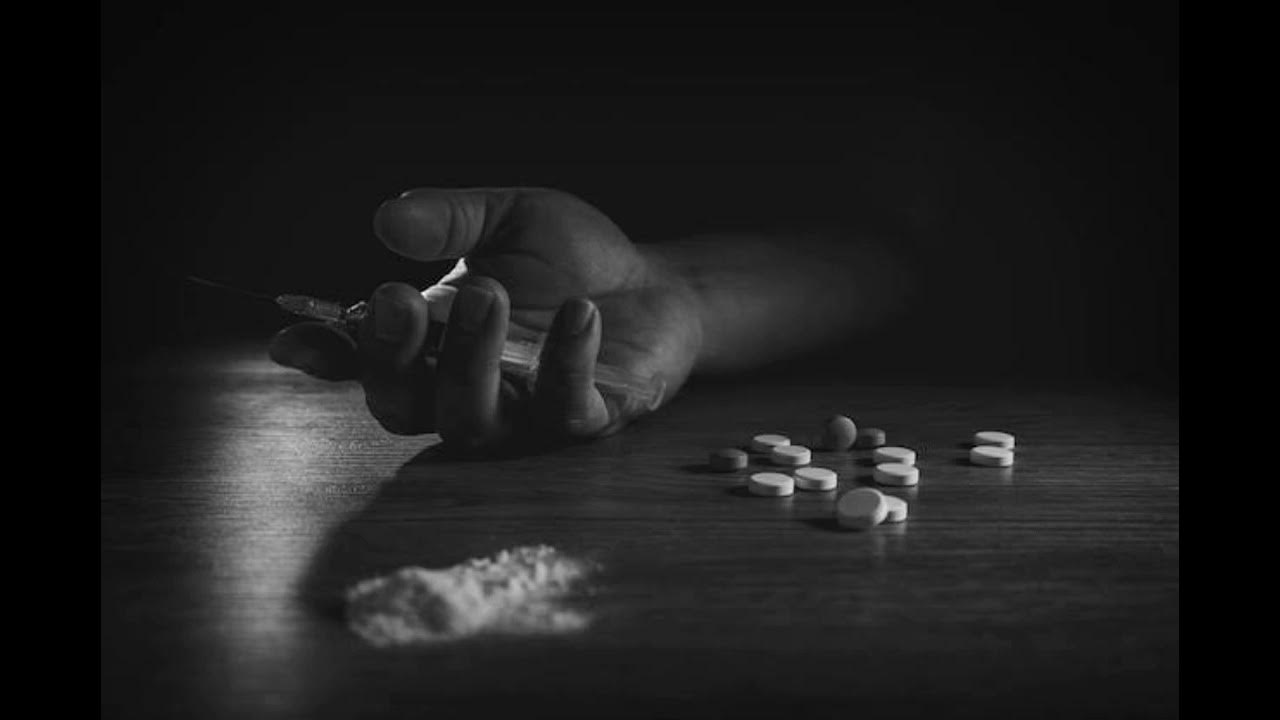
The passing of famous figures due to drug abuse is more than a collection of tragic headlines—it is a mirror held up to society. Behind the glamour and fame, their struggles reveal the universal truth that addiction is not a respecter of persons. These lessons go beyond celebrity culture and can help us understand how to prevent further loss in everyday life.
1. Fame and Wealth Do Not Protect Against Addiction
Many assume that money, luxury, and recognition are shields against pain. Yet the opposite often proves true. Celebrities like Whitney Houston, Prince, and Heath Ledger had everything society defines as success, but addiction still claimed their lives. This reminds us that emotional and mental well-being cannot be purchased—fame can intensify loneliness, while wealth can increase access to dangerous substances.
2. Prescription Drugs Can Be as Dangerous as Illegal Substances
Several celebrities—including Elvis Presley, Heath Ledger, and Prince—did not die from street drugs, but from legal prescriptions such as painkillers, sedatives, and sleeping aids. This highlights a disturbing reality: misuse, overuse, or mixing of prescription drugs can be just as deadly as heroin or cocaine.
3. Addiction Often Masks Deeper Emotional Struggles
Celebrities frequently turn to substances as a way of coping with anxiety, depression, trauma, or the crushing expectations of fame. Marilyn Monroe reportedly used barbiturates to numb her emotional pain, while Kurt Cobain struggled with both heroin and deep psychological turmoil. Substance abuse often serves as a symptom of underlying pain, not the root cause.
4. The Myth of “Control” Is Deadly
Many addicts believe they can stop whenever they choose, or that they can “manage” their drug use without consequences. River Phoenix and Philip Seymour Hoffman illustrate the danger of this illusion. Even after periods of sobriety, relapse can be swift and deadly.
5. Pressure and Isolation Amplify Risk
Celebrities live under constant public scrutiny, often with little privacy or trusted support. Loneliness, pressure to perform, and fear of judgment create a perfect storm for substance abuse. The same dynamic exists in everyday life—people may hide their struggles due to shame or fear of stigma.
6. Relapse Does Not Mean Failure—But It Can Be Fatal
Many who died from overdoses, like Philip Seymour Hoffman and Cory Monteith, had sought treatment or experienced periods of recovery. Relapse is part of many people’s journey, but it carries high risk, as tolerance changes and overdoses become more likely.
7. Awareness and Prevention Matter More Than Reaction
Too often, we grieve after tragedy instead of acting before it strikes. Len Bias’s death reshaped U.S. drug policy, but by then, it was too late for him. Education, early intervention, and honest conversations about drugs could prevent countless lives from being lost.
8. Recovery Is Possible—and Worth Fighting For
While the stories of celebrities lost to addiction end in tragedy, others like Robert Downey Jr. and Eminem prove that recovery can lead not only to survival but also to renewed greatness. These stories balance the despair with hope.
Hope and Recovery: Famous Drug Dependent Persons Who Defeated Addiction
Not every story of addiction ends in tragedy. While countless celebrities have been lost to drugs and alcohol, many others have faced the same struggles yet found a way back to health, purpose, and even greater success. Their journeys of recovery serve as powerful reminders that addiction is not the end of the story. With determination, treatment, and support, healing and restoration are possible.
Robert Downey Jr. (1965– )
Robert Downey Jr.’s life is one of the most remarkable redemption stories in Hollywood. In the 1990s and early 2000s, he battled severe drug addiction, leading to multiple arrests, rehab stays, and even time in prison. Many believed his career was over.
But Downey committed to sobriety, leaned on therapy and strong support systems, and rebuilt his life. He returned to the screen stronger than ever, eventually becoming a global icon as Iron Man in the Marvel Cinematic Universe.
Eminem (Marshall Mathers, 1972– )
The legendary rapper struggled with prescription drug addiction, particularly Vicodin, Ambien, and Valium. His addiction nearly killed him in 2007 when he overdosed on methadone. After a near-death experience, Eminem entered rehab, committed to sobriety, and slowly rebuilt his life.
Today, he is clean and uses his music to share his struggles and triumphs, inspiring millions of fans who battle addiction themselves.
Demi Lovato (1992– )
Demi Lovato has been candid about her battles with addiction, eating disorders, and mental health struggles. In 2018, she suffered a near-fatal overdose but survived. Since then, she has continued treatment, therapy, and advocacy work.
Though her journey includes setbacks, Demi’s openness has given a voice to young people facing similar struggles. She proves that recovery is not about perfection but about persistence and honesty.
Elton John (1947– )
The iconic musician battled alcohol and cocaine addiction during the height of his fame in the 1970s and 1980s. At one point, he admitted that his substance abuse was so severe that he considered ending his life. However, in 1990, Elton John entered treatment and has been sober ever since.
He went on to build one of the most successful music careers in history and became a global advocate for HIV/AIDS awareness and recovery.
Drew Barrymore (1975– )
Drew Barrymore’s story is unique. She rose to fame as a child star in E.T. the Extra-Terrestrial but fell into addiction at a shockingly young age, experimenting with drugs and alcohol before age 13. By 14, she had already entered rehab.
Barrymore’s early battles could have destroyed her career, but instead, she overcame addiction, rebuilt her image, and transitioned into one of Hollywood’s most beloved actresses and entrepreneurs.
The Power of Recovery

These stories highlight several powerful truths about overcoming addiction:
Relapse is not the end. Many survivors fell multiple times before finally achieving lasting sobriety.
Support systems matter. Family, friends, therapy, and community programs are crucial in recovery.
Purpose replaces pain. Many who recover go on to inspire, advocate, and create more deeply than before.
Recovery is ongoing. It’s not a one-time event but a daily commitment.
Conclusion: From Misfortune to Change
Although the tales of well-known individuals who lost their lives to drug usage are tragic, they have purpose. Every life lost serves as a reminder of the terrible force of addiction, the brittleness of achievement, and the pressing need for understanding and compassion.
But there is hope even in the midst of tragedy. It’s not necessary for addiction to be the last chapter. Recovery is achievable with treatment, support, and bravery. For millions of people who suffer in silence, survivors like Eminem and Robert Downey Jr. provide hope that lives can be restored.
What we must never forget :
Drug abuse steals dreams, but recovery restores them.
Addiction breaks lives, but awareness can save them.
Fame fades, but the lessons from these stories remain.
The most powerful tribute we can pay to those we lost is to learn from their mistakes, raise awareness, and encourage healing. By breaking the silence around addiction, we can prevent future tragedies, protect loved ones, and build a future where fewer stars—and fewer ordinary people—burn out too soon.