I). Introduction
Does Cannabis Need UV Flowering? | Let’s Explore
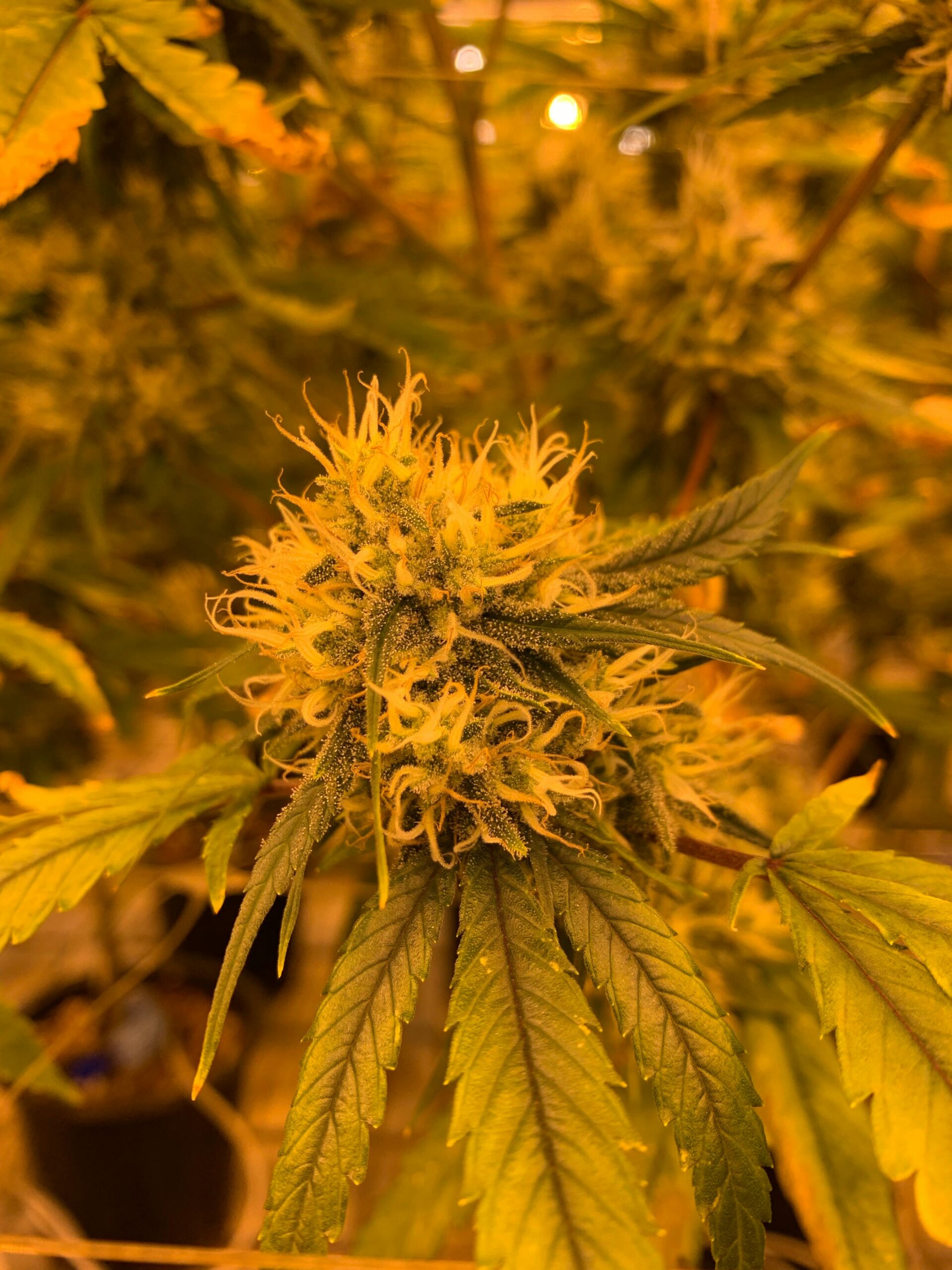
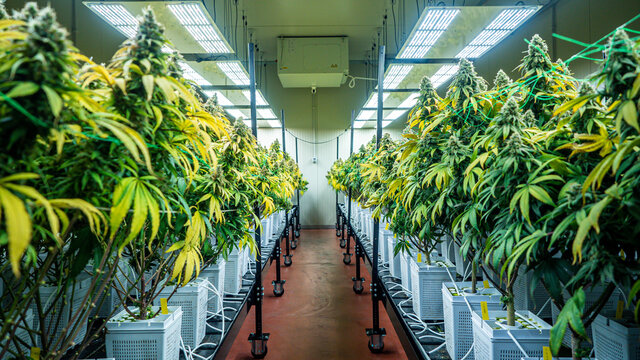
Cannabis does not require UV light for flowering. Standard full-spectrum grow lights (with sufficient red and blue wavelengths) are enough for healthy flowering and bud development. However, UV light can enhance resin and trichome production, which may slightly increase cannabinoid and terpene levels, making buds more potent and aromatic. Additionally, One must also understand that light generally is crucial for cannabis cultivation since it promotes growth, increases yields, and even affects potency.
II). Understanding the Role of UV Light
Ultraviolet (UV) light is a type of electromagnetic radiation that sits just beyond the violet end of the visible spectrum. Although invisible to the human eye, it has a direct impact on living organisms, including cannabis plants. In indoor growing setups, UV is often overlooked because standard grow lights focus on the visible spectrum (red, blue, and white), but UV light can play a subtle yet powerful role in cannabis development.
What UV Light Is
UV light consists of wavelengths shorter than visible light, typically ranging between 100 to 400 nanometers (nm). Because of its higher energy, UV light can influence plant physiology in ways that visible light cannot.
Types of UV (UVA, UVB, UVC)
-
UVA (320–400 nm):
The most gentle form of UV light. It can enhance plant coloration, stimulate mild stress responses, and encourage trichome formation without causing much damage when used in moderation. -
UVB (280–320 nm):
Stronger and more intense than UVA. UVB exposure has been linked to increased resin and trichome production in cannabis, as the plant produces protective compounds (like THC) to shield itself from UV stress. However, too much UVB can harm plant tissues. -
UVC (100–280 nm):
Extremely powerful and generally harmful. UVC does not naturally penetrate the Earth’s atmosphere and should never be used on cannabis, as it can damage DNA and kill plant cells.
Why UV Matters for Cannabis
Although UVA and UVB rays are not necessary for cannabis to develop and bloom, they can activate the body’s defenses. The plant produces additional secondary metabolites, including as terpenes and cannabinoids, as a result of these stress reactions, which enhance flavor, potency, and aroma.
III).Cannabis Flowering Basics
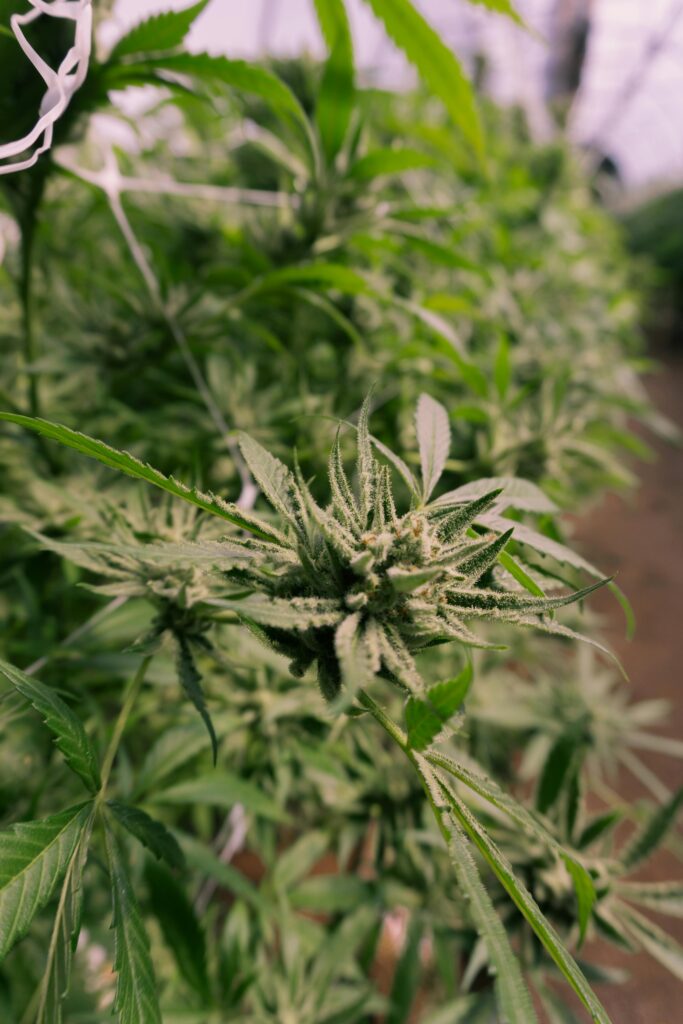
Flowering is the stage when cannabis plants stop focusing on growing leaves and stems and start putting their energy into producing buds. This is the most exciting phase for growers, because it’s when the sticky, aromatic flowers develop.
When Does Flowering Start?
In nature, cannabis begins to flower when the days get shorter (less sunlight). Indoors, growers trigger flowering by changing the light cycle to 12 hours of light and 12 hours of darkness. This signals the plant that it’s time to reproduce.
What Light Does Cannabis Need in Flowering?
-
Red light (around 660 nm): Red light is the most important during flowering. It helps the plant build big, dense buds.
-
Blue light (around 450 nm): Still useful, but less than during the vegetative stage. A little blue keeps the plant compact and prevents it from stretching too tall.
-
Full-spectrum light: Modern grow lights combine red, blue, and white to mimic the sun, giving plants everything they need.
What Happens Without Proper Light?
If cannabis doesn’t get enough of the right light during flowering, buds may turn out small, airy, and low in potency. On the other hand, with strong and balanced light, plants can produce heavy, resin-rich flowers.
IV). Does Cannabis Require UV for Flowering?
The short answer is NO — cannabis does not require UV light to flower.
Cannabis plants naturally flower in response to changes in their light cycle (how many hours of light vs. dark they get). As long as they receive the right balance of red and blue light, they will grow healthy buds. Standard full-spectrum grow lights, or even sunlight, already provide what cannabis needs for flowering.
What Happens Without UV?
-
The plant will still produce buds normally.
-
Flowering will not be slowed down or stopped.
-
Bud size and yield will mainly depend on the intensity and quality of visible light (red and blue).
Why do We Add UV?
Some gardeners utilize tiny amounts of UVA or UVB radiation to assist plants to produce more resin and trichomes, even though UV is not necessary. Stronger tastes and somewhat greater THC levels may result from this, which is the plant’s natural defense against UV damage.
However, keep in mind that excessive UV can harm the plant by creating stress or leaf burn, so it’s best to view it as a supplement rather than a must. Cannabis will thrive without UV light. Think of UV as an extra seasoning instead of the main component.
V). Potential Benefits of UV Exposure
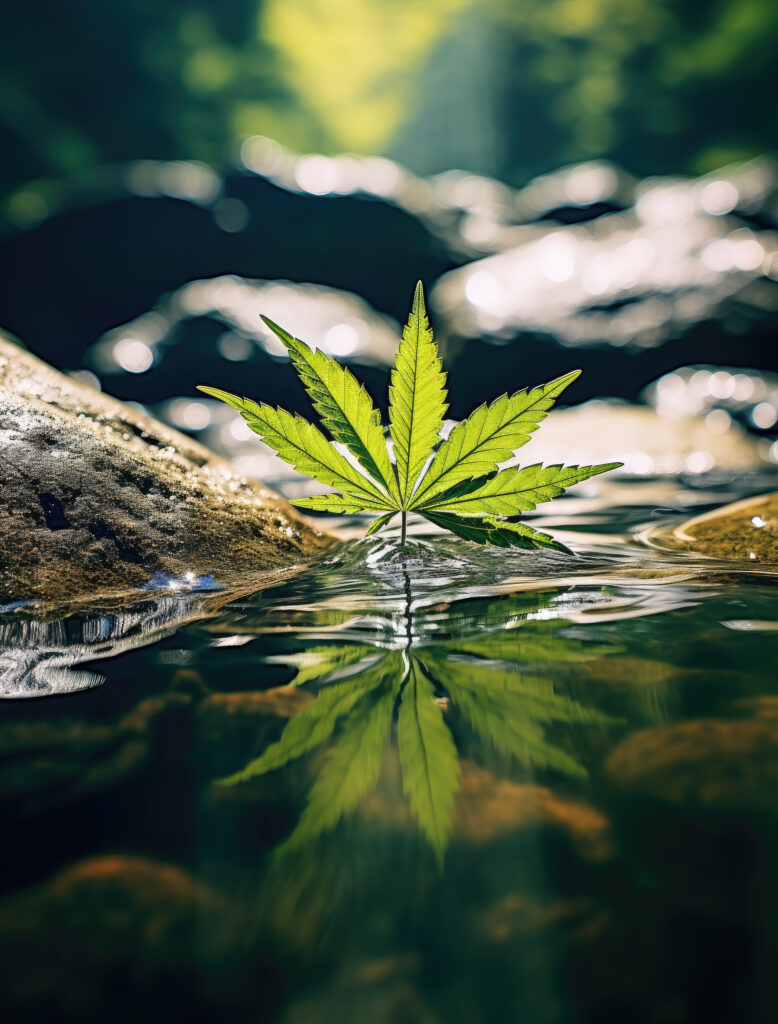
Even though cannabis does not need UV light to flower, giving your plants a controlled dose of UV (especially UVA and UVB) can trigger useful responses. Essentially, UV light stresses the plant in a good way, making it work harder to protect itself — and that defense results in better-quality buds.
1. Enhanced Trichome and Resin Production
UVB exposure encourages cannabis to grow more trichomes — the tiny crystal-like glands that cover buds. Trichomes protect the plant from UV rays, and in the process, they produce more resin, which is where cannabinoids and terpenes are stored. More trichomes = stickier, shinier buds.
2. Increased THC Levels
Some studies suggest that UVB light can boost THC concentration. This is because THC acts like sunscreen for the plant, shielding it from UV damage. With more UV stress, the plant produces more THC as a defense mechanism.
3. Richer Aroma and Flavor (Terpenes)
Terpenes — the compounds that give cannabis its smell and taste — may also increase with UV exposure. This means your buds can end up smelling stronger, tasting better, and providing a more distinct strain character.
4. Natural Pest and Mold Resistance
Trichomes and terpenes don’t just look and smell good — they also help protect plants. More resin can make it harder for insects to attack, while stronger terpenes can repel pests naturally. UV exposure may also toughen plants against mold and mildew.
UV light isn’t essential, but when used carefully, it can make cannabis buds more potent, stickier, tastier, and more resilient.
VI). Risks of Excessive UV Light
While small amounts of UV can benefit cannabis, too much can do more harm than good. UV light is powerful energy, and when overused, it stresses the plant beyond its limits. Instead of boosting resin, it can weaken growth and reduce yields.
1. Leaf Burn and Bleaching
Strong UV rays can damage plant tissue, leading to yellow or white patches on leaves. This “bleaching” effect reduces the plant’s ability to photosynthesize, meaning it can’t make enough food to stay healthy.
2. Stunted Growth
Excessive UV stress can slow down photosynthesis and overall growth. Instead of putting energy into building big buds, the plant spends energy repairing UV damage. The result? Smaller, weaker flowers.
3. Reduced Yield
Because the plant is under too much stress, the flowers may not develop fully. Yields can drop, and buds may end up airy rather than dense.
4. Increased Risk to Growers
UV isn’t just dangerous for plants — it can be harmful to humans too. Overexposure to UV (especially UVB and UVC) can cause skin burns and eye damage. That’s why growers who use UV lamps should wear protective glasses and clothing.
While a little UV can enhance potency, too much is like sunburn for your plants. The key is finding the right balance — enough to trigger resin production, but not enough to cause damage.
VII). Best Practices for Using UV in Flowering
If you decide to supplement your cannabis grow with UV light, the goal is to boost potency without stressing your plants too much. The secret lies in moderation, timing, and safety.
1. Choose the Right Type of UV
-
UVA (320–400 nm): Gentle and safe for longer exposure. Good for daily use in small doses.
-
UVB (280–320 nm): Stronger and should be used carefully. Best applied in short bursts during flowering.
-
Avoid UVC (100–280 nm): Extremely harmful to both plants and humans. Never use it in a grow room.
2. Introduce UV Gradually
Don’t suddenly blast plants with UV. Start with low intensity and short periods (e.g., 15–30 minutes per day) and slowly increase as plants adapt.
3. Use UV During Late Flowering
The last 2–4 weeks of flowering is the ideal time to add UVB light. This is when plants naturally boost resin and cannabinoid production, and UV can give them an extra push.
4. Limit Daily Exposure
-
UVA: Can be run alongside normal lights for several hours.
-
UVB: Best limited to 1–2 hours per day, ideally during the brightest part of the light cycle.
5. Position UV Lights Properly
Keep UV lamps at a safe distance to avoid leaf burn. Generally, 18–24 inches above the canopy works for most setups, but always follow the manufacturer’s instructions.
6. Protect Yourself
UV rays can harm human eyes and skin. Always wear UV-blocking glasses and limit direct exposure when working around UV lamps.
VIII). Common Myths About UV and Cannabis
There’s a lot of hype around UV light in cannabis cultivation, and not all of it is true. Here are the most common myths — and the facts that set the record straight.
Cannabis Cannot Flower Without UV Light
This is not true as standard full-spectrum lighting with adequate red and blue wavelengths will allow cannabis to bloom flawlessly. UV is not necessary; it is optional..
More UV Always Means More THC
This is false because while excessive UVB exposure might damage the plant and lower output, moderate UVB exposure may boost THC. More isn’t always better; balance is essential.
All UV Light Is Good for Cannabis
This is wrong because only UVA and UVB are beneficial in small amounts. UVC is dangerous and can damage or kill plants (and harm growers).
UV Light Replaces Proper Grow Lighting
UV is only a supplement. Cannabis still needs strong red and blue light for proper flowering and bud development. UV alone won’t produce healthy plants.
Myth 5: UV Is Safe to Work Around
Be extra cautious because growers sometimes assume low-watt UV lamps aren’t harmful. But long exposure can still damage your eyes and skin — safety glasses and protective steps are a must.
Cannabis does not require UV light to flower. With the right balance of red, blue, and full-spectrum lighting, plants will produce healthy, resinous buds on their own. UV is more of a bonus tool than a necessity.
When used in moderation, especially during the late flowering stage, UV exposure can:
-
Increase trichome and resin production
-
Boost THC and terpene levels
-
Strengthen plant defenses against pests and mold
But too much UV can harm plants, stunt growth, and even reduce yields.
Conclusion – Striking the Right Balance
UV light is not necessary for cannabis to flower, although it might add a little sparkle to your buds. Like a little stress test, UVA and UVB force the plant to generate more trichomes, more potent scents, and occasionally more THC. However, moderation is key because excessive UV can burn leaves, impede growth, and lower harvest.
Ultimately, start with the fundamentals: enough care, nutritious nourishment, and decent full-spectrum illumination. UV can be your secret weapon to release premium-quality buds once those foundations are strong.