
Introduction
In the world of drug use and experimentation, people are constantly searching for new ways to get high. While marijuana is most commonly smoked, vaped, or eaten in edibles, one peculiar question has circulated online and in social conversations: Can you snort weed?
Can You Snort Weed? | 10 Facts Uncovered
No, you cannot effectively snort weed. Crushing marijuana into a powder and inhaling it through your nose will not get you high, because THC—the psychoactive compound in cannabis—must be activated by heat (decarboxylation) or processed into a form the body can absorb. Simply snorting raw plant material only irritates the nasal passages, causes burning, and offers no real effects.
Why Not?
THC needs activation: Raw cannabis contains THCA, which is non-psychoactive. Only heating (like smoking, vaping, or cooking) converts it into THC.
Poor absorption through the nose: Unlike drugs such as cocaine, marijuana is not water-soluble and cannot easily cross nasal membranes into the bloodstream.
Health risks: Snorting weed can lead to nasal irritation, infections, bleeding, and respiratory issues, but without the desired “high.”
Alternative methods work better: Smoking, vaping, or edibles activate THC properly, allowing it to interact with the endocannabinoid system.
I). How Marijuana Normally Works in the Body

In order to comprehend why snorting marijuana is ineffective, we must first examine the physiological effects of proper cannabis use. THC (tetrahydrocannabinol) and CBD (cannabidiol) are the two most well-known of the more than 100 chemicals found in marijuana. The primary psychoactive ingredient that gives people the “high” they associate with cannabis is THC.
The endocannabinoid system (ECS), a network of receptors in the brain and body that controls mood, appetite, pain, sleep, and memory, must be accessed for THC to have an effect. The catch is that THC’s absorption, action time, and potency are all influenced by how marijuana is taken.
1. Smoking or Vaping Cannabis

How it works: When cannabis is smoked or vaporized, the THC is heated, activating it from THCA (tetrahydrocannabinolic acid) into psychoactive THC. This vapor or smoke is inhaled into the lungs. From there, it quickly passes into the bloodstream and travels directly to the brain.
Onset time: Effects are usually felt within seconds to minutes, peaking within 30 minutes.
Duration: The high typically lasts 2–4 hours.
Why it’s effective: The lungs provide a fast and efficient pathway into the bloodstream, making smoking and vaping the most common methods of use.
2. Edibles (Cannabis-Infused Foods and Drinks)
How it works: Edible cannabis is metabolized through the digestive system. Once eaten, THC travels to the liver, where it is converted into 11-hydroxy-THC—a stronger compound that can cross the blood-brain barrier more easily.
Onset time: Effects take 30–90 minutes to kick in because the body must first digest and metabolize the food.
Duration: Highs from edibles can last 6–12 hours, much longer than smoking.
Why it’s unique: This method produces a more intense and longer-lasting high, but also carries the risk of accidental overconsumption since people may eat more before the effects set in.
3. Oils, Tinctures, and Capsules
How it works: Oils or tinctures can be placed under the tongue (sublingual absorption) or swallowed. Sublingual use allows THC to be absorbed quickly into the bloodstream through mucous membranes, bypassing the digestive system. Capsules, on the other hand, act more like edibles and must be digested first.
Onset time: Sublingual effects are felt within 15–45 minutes; capsules take longer, like edibles.
Duration: Lasts 4–8 hours depending on dose and method.
Why it’s used: Provides a measured and controlled dose, making it popular for medical marijuana users.
4. Topicals (Creams, Lotions, and Balms)
How it works: Cannabis-infused creams or balms are applied directly to the skin for localized relief. The THC or CBD interacts with cannabinoid receptors in the skin but does not reach the brain.
Onset time: Effects are felt in minutes to hours, depending on the product.
Duration: Relief can last several hours.
Why it’s used: Effective for pain, inflammation, and skin conditions, but not for getting high.
5. Medical Nasal Sprays and Powders
How it works: Unlike raw cannabis, specially formulated nasal sprays or powders are designed for quick absorption through nasal tissues. These are usually water-soluble forms of THC or CBD.
Onset time: Almost immediate—similar to smoking.
Duration: Shorter than edibles but effective for rapid relief of pain or seizures.
Why it’s unique: These products are lab-made and medically regulated, not ground cannabis.
II). What Happens When You Snort Drugs?

Snorting, also known as insufflation, is a method used with drugs like cocaine or crushed prescription pills. When snorted, the substance is absorbed through the mucous membranes in the nose, quickly entering the bloodstream and reaching the brain.
Why it works for some drugs: Cocaine and many pills are in a fine powder form and are water-soluble, making it easy for them to be absorbed through the nasal lining.
Why it doesn’t work for weed: Cannabis is not water-soluble in the same way. THC requires heat or fat-based carriers (like oils) to activate. Simply crushing raw marijuana into a powder and snorting it won’t deliver THC to the bloodstream.
III). Can You Snort Weed? The Scientific Answer
Technically, yes—you can snort anything that fits into your nose. But the real question is: Will it work, and is it safe?
No Psychoactive Effect: Snorting weed does not get you high because THC in raw form is not bioavailable through nasal tissues. Without heat, THC remains in its acid form (THCA), which is non-psychoactive.
Physical Harm: Weed is plant material, not a fine powder designed for nasal absorption. Snorting it can irritate, cut, or infect your nasal passages.
Possible Contaminants: Weed often contains microscopic plant fibers, dust, or even mold that can cause respiratory issues if forced into the sinuses. This might make one to end up with clogged sinuses, irritation, or a nosebleed—but not a marijuana high.
IV). Why Do People Ask If You Can Snort Weed?
At first glance, the question “Can you snort weed?” may sound odd or even humorous. But it reflects genuine curiosity—and sometimes desperation—about alternative ways to consume cannabis. To understand why people ask this, we need to explore cultural influences, misconceptions about drugs, and human psychology.
1. Influence of Other Drugs
Many substances like cocaine, heroin, and crushed prescription pills are often snorted because they can be absorbed through the nasal lining into the bloodstream.
Since people see this method portrayed in movies, music, or real life, they assume the same could work for marijuana.
The assumption is simple: “If you can snort cocaine for a quick high, why not weed?”
2. Curiosity and Experimentation
Cannabis culture often inspires creative experimentation with consumption methods—smoking, vaping, eating, oils, dabs, and even THC-infused beverages.
Some individuals, particularly teens or inexperienced users, wonder if snorting weed might produce a faster or more intense high.
This curiosity is fueled by misinformation online, rumors, and peer discussions.
3. Misunderstanding How Cannabis Works
Unlike cocaine or meth, which are water-soluble, cannabis compounds like THC are fat-soluble.
People may not realize that simply crushing cannabis and inhaling it does not activate THC. Without heat or proper processing, it remains chemically inactive.
The misconception stems from a lack of education on how marijuana actually interacts with the body.
4. Desire for a “Harder” or Riskier Experience
Some individuals seek out ways to push boundaries with drug use.
Snorting drugs carries a cultural image of being more extreme or hardcore, and some people may view it as a way to “take cannabis to the next level.”
Unfortunately, this mindset often overlooks the health dangers—like nasal damage, infection, or complete lack of effect.
5. Misinformation and Viral Trends
The internet is full of myths and unverified claims, and some forums or social media platforms joke about snorting weed as an alternative method.
These discussions can spread quickly, causing people—especially younger users—to wonder if it’s a real option.
Some even try it, only to discover it causes painful irritation with no high.
6. Confusion with Medical Nasal Sprays
Cannabis-derived nasal sprays exist in the medical world. These are scientifically formulated, water-soluble THC or CBD products designed for rapid absorption.
People unfamiliar with the difference may assume that if medical cannabis can be administered through the nose, then snorting raw weed must work too.
In reality, the two methods are completely different.
7. The Myth of a Faster High
People assume the nose offers a shortcut to the brain. Since sniffing cocaine produces a rapid effect, they think weed might deliver the same.
However, marijuana’s active chemicals require heat activation (decarboxylation) or special preparation, which raw plant powder simply does not provide.
V). Dangers of Trying to Snort Weed

Even though it doesn’t work, attempting to snort cannabis carries risks:
-
Nasal Irritation and Damage
Plant matter can scratch and irritate delicate nasal tissues, causing pain, inflammation, and nosebleeds. -
Sinus Infections
Foreign plant particles can get trapped in sinuses, leading to bacterial or fungal infections. -
Respiratory Issues
Weed dust entering nasal passages can travel into the lungs, triggering coughing, congestion, or worsening asthma. -
No Actual High
The biggest “danger” may be disappointment. People expecting a buzz will find only discomfort.
THC Powders and Nasal Sprays
While snorting raw cannabis doesn’t work, science has produced THC-based powders and sprays designed for intranasal use.
Powdered THC: Some companies have developed water-soluble cannabis powders that can dissolve in drinks or, in rare cases, be snorted. These are specifically engineered for absorption.
Cannabis Nasal Sprays: Medical cannabis users can access nasal sprays designed to deliver cannabinoids quickly for pain relief.
VI). Snorting Weed vs. Traditional Methods
| Method | How It Works | Onset Time | Risks | Effectiveness |
|---|---|---|---|---|
| Smoking | Inhaled into lungs, THC absorbed into bloodstream | Seconds | Lung irritation, smoke inhalation | Very effective |
| Vaping | Inhaled vaporized THC | Seconds | Less harmful than smoking, but still lung risks | Very effective |
| Edibles | Digested, metabolized in liver into 11-hydroxy-THC | 30–90 minutes | Overconsumption, delayed effects | Very effective |
| Oils/Tinctures | Sublingual absorption under tongue | 15–45 minutes | Minimal | Effective |
| Snorting Weed | Plant matter forced into nasal passages | None | Irritation, infections, no high | Ineffective |
VII). Myths and Misconceptions About Snorting Weed
-
“If you can snort cocaine, you can snort weed.”
False. Cocaine is water-soluble and bioavailable via the nose; THC is not. -
“You’ll get a stronger high snorting weed.”
Wrong. No THC activation occurs, so no high at all. -
“It’s safer than smoking.”
False. Smoking has risks, but snorting raw plant matter risks infections and irritation without benefits.
Why People Should Avoid Experimenting
Trying to snort weed often comes from curiosity or peer pressure. But here’s why you should avoid it:
It doesn’t work.
It can cause unnecessary pain and harm.
It risks serious infections.
It shows a lack of understanding about how marijuana works, leading to potential misuse in other dangerous ways.
VIII). Healthier Alternatives for Using Cannabis
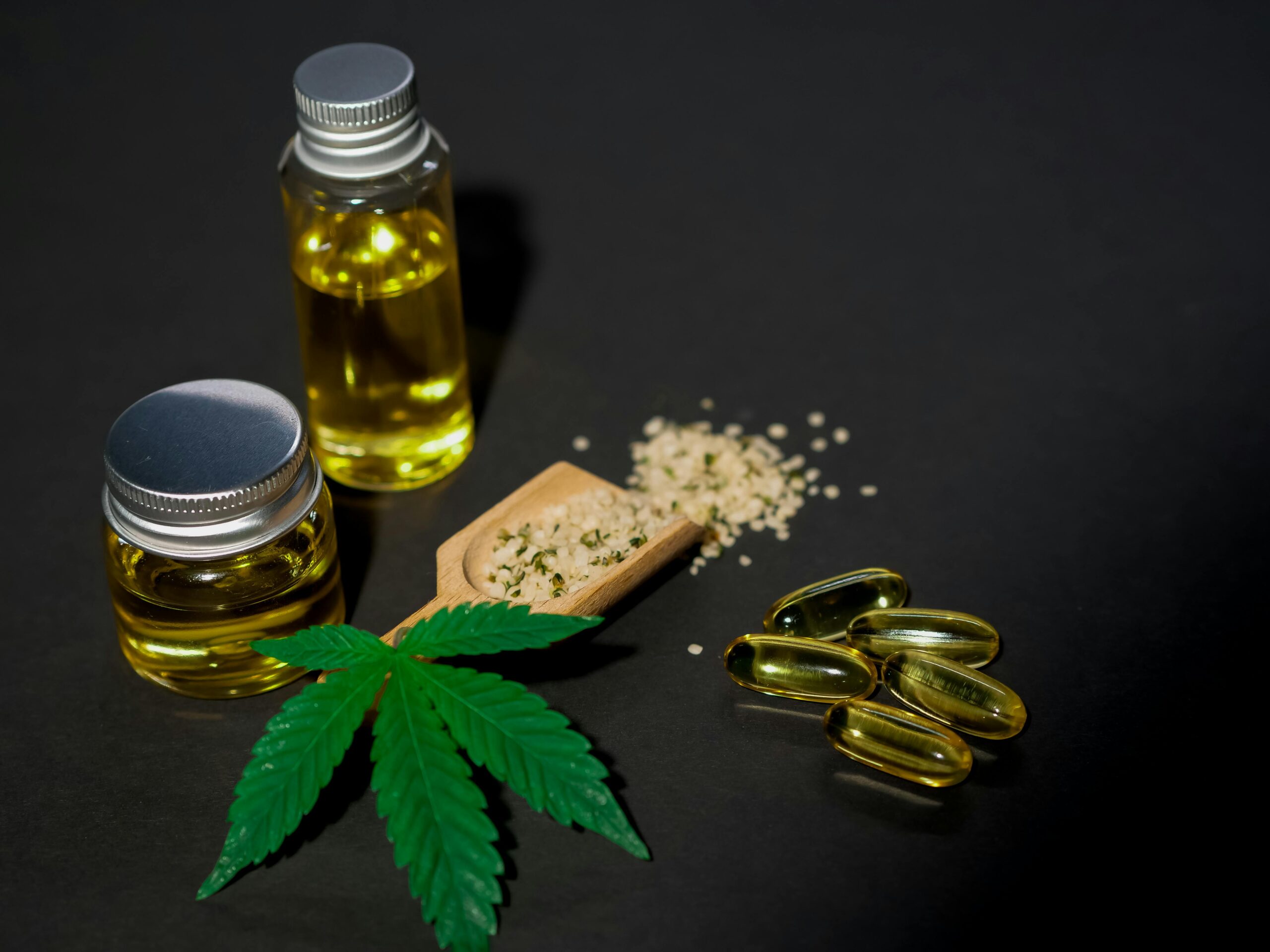
If your goal is to consume cannabis more safely, here are safer and proven methods:
-
Vaping – Less harmful than smoking, though not risk-free.
-
Edibles – Provide longer-lasting effects but require responsible dosing.
-
Tinctures and Oils – Controlled, discreet, and efficient.
-
Topicals – Non-psychoactive, for localized pain relief.
-
Medical Nasal Sprays – Only use regulated products designed for this purpose.
FAQs: Can You Snort Weed?
Q1: Can you get high from snorting weed?
No. THC must be heated or prepared for absorption; raw weed won’t deliver a high.
Q2: What happens if you snort cannabis powder?
If it’s just ground weed, nothing but irritation. If it’s a lab-made water-soluble THC powder, it may work, but it’s not common.
Q3: Is it safer than smoking weed?
No. It’s ineffective and carries risks of nasal damage.
Q4: Why do people even try this?
Curiosity, misinformation, or confusing raw weed with medical THC nasal products.
Q5: What’s the best alternative?
Stick with proven methods like smoking, vaping, edibles, or medical products.
Conclusion: The Final Word on Snorting Weed
So, can you snort weed? Technically, you can—but it won’t get you high, and it can cause harm. Unlike substances designed for nasal absorption, marijuana needs heat or fat to activate THC.
Snorting raw cannabis only leads to irritation, infections, and disappointment. Instead of risking your health, consider safe, effective alternatives like vaping, edibles, or oils. And if medical needs are involved, only use regulated products like cannabis nasal sprays designed for intranasal use.
At the end of the day, the myth of snorting weed reveals something bigger: curiosity without knowledge can be dangerous. The smarter path is understanding how cannabis truly works and choosing safe, effective methods.