
Cannabis is often associated with relaxation, stress relief, and an uplifted mood. For many users, it provides a calming effect that eases tension and enhances social interactions. However, not everyone experiences cannabis in the same way. While some feel mellow and euphoric, others report feeling irritable, restless, or even angry after consumption.
For both casual users and medical patients, it’s critical to comprehend why cannabis occasionally causes agitation. Relationships, productivity, and general well-being can all be impacted by emotional side effects. As cannabis is being legalized and used around the world, the discussion is particularly pertinent.
Can Cannabis Make You Angry? | Factors That Trigger Anger
This article explores the mood-related effects of cannabis, possible sources of irritability, and practical methods to lessen negative effects. You’ll discover how to manage the mood-related effects of cannabis and why it doesn’t always result in a relaxed feeling.

I. How Cannabis Interacts with the Brain
a). The Role of THC and the Endocannabinoid System
The main way that cannabis influences mood is via interacting with the endocannabinoid system (ECS), a network of receptors that controls emotions, memory, and stress response. The primary psychoactive ingredient in cannabis, THC (tetrahydrocannabinol), changes neurotransmitter activity via binding to CB1 receptors in the brain.
b). Dopamine, Serotonin, and Mood Regulation
THC can increase dopamine release, creating feelings of pleasure and reward. However, excessive stimulation can disrupt natural balance, leading to mood swings or irritability once the effects wear off. Similarly, cannabis can affect serotonin signaling, influencing how stress and emotions are processed.
c). Differences Between Low vs. High Doses
The dose of cannabis plays a major role in mood outcomes. At low doses, cannabis may promote relaxation and sociability. At high doses, however, the overstimulation of brain receptors can cause restlessness, paranoia, or anger. This explains why two people—or even the same person at different times—may react very differently to cannabis use.
II. Can Cannabis Really Make You Angry?
The idea that cannabis can make someone angry may seem surprising, especially since the plant is often associated with relaxation, calmness, and euphoria. For many users, cannabis reduces stress and promotes a positive mood. However, scientific research and real-world experiences show that irritability and anger are possible side effects in certain situations.
a). Research Findings on Irritability and Cannabis
Cannabis consumption has been connected in a number of studies to mood swings, such as impatience or anger. Although most users say they feel calmer after using it, a sizable minority report feeling agitated, impatient, or frustrated. Specifically, irritation is frequently listed as the main symptom of withdrawal from excessive or prolonged cannabis use. Clinical research indicates that mood swings associated with withdrawal usually reach their peak within the first week following cessation and then progressively subside over the next two to three weeks.
b). Short-Term vs. Long-Term Effects
In the short term, cannabis can influence mood depending on the dose and strain. Low doses may reduce stress and promote sociability, but high doses—especially of potent THC strains—can overstimulate the brain’s endocannabinoid system. This overstimulation may lead to agitation, paranoia, or angry outbursts. Long-term, daily use can alter natural brain chemistry, making irritability more noticeable when the drug isn’t present.
c). Why Reactions Differ Among Users
Not everyone reacts to cannabis the same way. Genetics, mental health conditions, and personal tolerance all play important roles in determining whether cannabis feels soothing or frustrating. A person prone to anxiety, for example, may find that cannabis amplifies their inner tension rather than calming it. Similarly, someone using cannabis in a stressful environment may feel irritable instead of relaxed.
The Bottom Line
So, can cannabis really make you angry? Yes—but not for everyone, and not under all conditions. Irritability is more likely in situations involving high THC doses, frequent use, stressful environments, or during withdrawal. For most users, cannabis promotes calmness, but for others, it may unlock irritability or mood swings that feel uncharacteristic.
III. Key Factors That Trigger Irritability in Users
While many people find cannabis to be tranquil, others may experience abrupt mood changes or agitation. Cannabis can have a wide range of affects on people. These responses aren’t arbitrary; a person’s feelings of relaxation or anger are influenced by a number of things. By being aware of these triggers, users can steer clear of uncomfortable situations and make wise decisions.
1. Dosage and Potency
The amount of THC consumed is one of the strongest predictors of irritability. Low to moderate doses often promote relaxation, but high doses of THC can overstimulate the brain’s cannabinoid receptors, leading to agitation, restlessness, or even anger. This is particularly true with modern strains and concentrates that contain THC levels far higher than those found in traditional cannabis.
For new or sensitive users, even a single strong hit can cause overwhelming effects. Instead of easing stress, too much THC may amplify negative emotions and cause irritability that lingers for hours. This is why careful dosing—sometimes called “start low, go slow”—is strongly recommended.
2. Consumption Method
How cannabis is consumed also influences mood outcomes. Smoking or vaping delivers THC rapidly into the bloodstream, producing intense and immediate effects. While this can be enjoyable for some, it also increases the risk of sudden irritability if the dose is too strong.
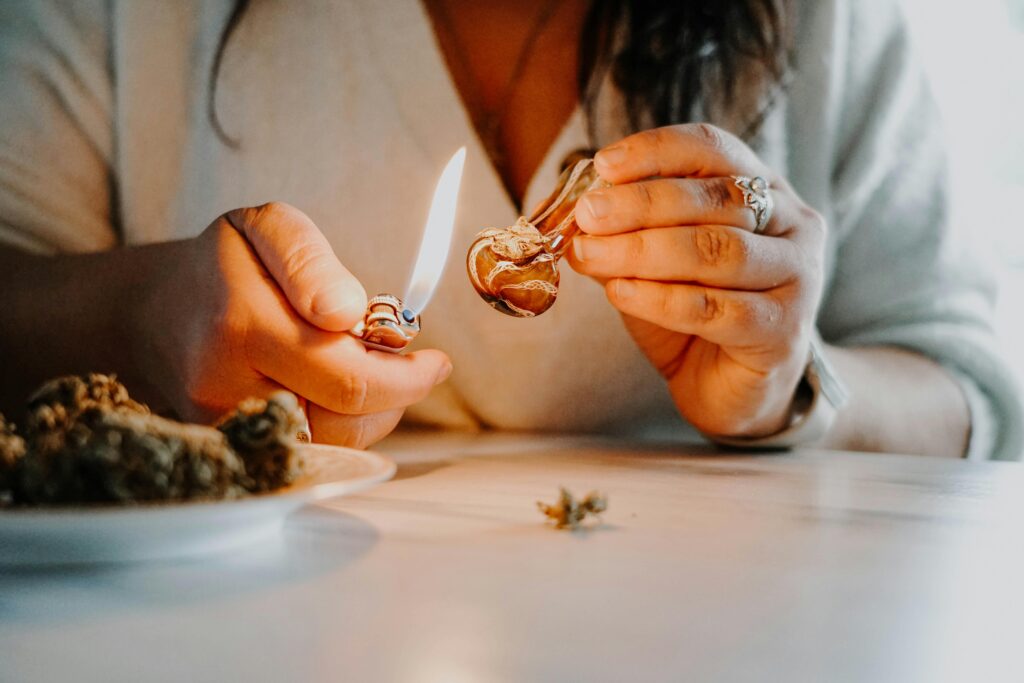
Edibles, on the other hand, take longer to kick in but last much longer. If the dose is miscalculated, the extended duration of intoxication can cause frustration, impatience, or mood swings, especially in users who feel “stuck” in an uncomfortable high. Different methods produce different experiences, and this plays a major role in whether irritability is triggered.
3. Tolerance and Frequency of Use
Frequent cannabis use leads to tolerance, meaning the body requires higher doses to achieve the same effects. Over time, this can cause frustration if the calming effects fade but the side effects (like irritability) increase. Heavy daily users may also experience emotional flatness, making them more prone to frustration in everyday situations.
Additionally, irritability is one of the most common symptoms of cannabis withdrawal. When regular users take a break, they may feel restless, moody, and quick to anger. These symptoms usually peak within the first week of abstinence but can persist for several weeks depending on usage history.
4. Underlying Mental Health Conditions
People with pre-existing conditions such as anxiety, depression, or unresolved trauma are more likely to experience irritability with cannabis use. THC can magnify underlying emotional states, meaning a person who already feels stressed may become more agitated after consuming cannabis instead of calmer.
For some, cannabis may temporarily mask negative feelings, but once the effects wear off, the rebound irritability can be stronger. This cycle can make mood regulation more difficult, particularly for individuals who rely heavily on cannabis as a coping mechanism.
5. Environment and Social Setting
The context in which cannabis is used has a huge impact on emotional outcomes. In a calm, supportive environment, cannabis is more likely to produce relaxation. But in a stressful or hostile setting, it can increase irritability. Misinterpreting social cues while under the influence can also lead to unnecessary conflict.
For example, someone who smokes in a noisy or uncomfortable environment may feel overstimulated, causing them to react with frustration. Social pressure, judgment, or being around people who make you uneasy can also turn an otherwise pleasant high into an irritable one.
6. Withdrawal and Dependency Effects
When a person who is dependent on cannabis stops using it, they may have negative impacts relating to their mood. A common withdrawal effect is irritation as the body gets used to the lack of THC. People who use it every day often cease abruptly or reduce their usage.

During withdrawal, users may experience restlessness, irritability, and a quick temper. While they can be upsetting in the interim, these symptoms typically go away in a week or two. One way to deal with irritability without going into a panic is to acknowledge it as a natural element of the body’s adjustment process.
IV). Recognizing Signs of Cannabis-Induced Irritability
a). Emotional and Behavioral Symptoms
Irritability can appear as sudden mood swings, impatience, or aggressive reactions to minor frustrations. A user may feel more easily annoyed than usual after consuming cannabis.
b). Physical Stress Responses
Irritability often comes with physical signs such as restlessness, tension in the body, increased heart rate, or difficulty sleeping. These responses are linked to how THC interacts with stress hormones.
c). Distinguishing Irritability from Anxiety or Paranoia
It’s important to note that irritability is not the same as paranoia or anxiety. While anxiety is rooted in fear and worry, irritability is about agitation and anger. Both can occur together, but recognizing the difference helps in addressing them effectively.
V). How to Reduce Anger or Irritability When Using Cannabis
1. Adjusting Dosage and Strain Selection
Choosing strains with lower THC and higher CBD content often reduces the risk of irritability. CBD helps balance THC’s psychoactive effects, promoting calmness and stability.
2. Creating a Calm and Safe Environment
The chance of having a good experience increases when cannabis is used in a stress-free environment. Better mood control is facilitated by calm surroundings, cozy spaces, and reliable companionship.
3. Balancing THC with CBD
Many users find that combining CBD with THC smooths out the “edge” of high-potency cannabis. CBD acts as a natural buffer, reducing overstimulation in the brain.
4. Mindfulness, Hydration, and Nutrition
Practicing relaxation techniques, staying hydrated, and eating balanced meals before and after cannabis use can help stabilize mood. Hunger, dehydration, or fatigue often intensify irritability.
VI). When Cannabis Use May Be a Problem
Cannabis can be a helpful tool for relaxation, pain relief, or creativity, but for some users, it may cross into unhealthy territory. The line between recreational or medicinal use and problematic use is always very thin. By recognizing certain patterns, users can better understand when cannabis is enhancing life versus when it may be contributing to irritability, dependency, or emotional instability.
1. Signs of Cannabis Use Disorder
One of the clearest indicators that cannabis use may be problematic is when it develops into what professionals call Cannabis Use Disorder (CUD). This condition occurs when cannabis consumption interferes with daily responsibilities, relationships, or mental health.
Signs may include:
-
Needing larger amounts of cannabis to feel the same effect (tolerance).
-
Spending significant time and money obtaining or using cannabis.
-
Using cannabis even when it negatively impacts work, school, or family life.
-
Feeling unable to cut back despite wanting to.
These behaviors reflect a shift from recreational use to dependency, where cannabis becomes less of a choice and more of a compulsion.
2. Irritability During Withdrawal
Withdrawal irritability is another indication that cannabis use may be troublesome. It indicates that the body and brain have adjusted to regular THC consumption when someone misses a session and becomes significantly agitated, moody, or irritable.
Other symptoms including insomnia, appetite loss, or vivid dreams frequently accompany withdrawal irritability. These symptoms might be a hindrance for those attempting to reduce or stop, even though they usually only last one to two weeks. Irritability during withdrawal is a symptom that cannabis use may be leading to dependency if it is severe enough to interfere with relationships or day-to-day activities.
3. Impact on Relationships and Social Life

Cannabis use becomes problematic when it consistently causes tension with friends, family, or colleagues. Irritability or anger triggered by cannabis can lead to conflicts, misunderstandings, or withdrawal from social activities. For example, a user may cancel plans frequently to stay home and smoke, or they may lash out when challenged about their use.
Over time, this can create distance in relationships and reduce overall social support. A healthy relationship with cannabis should enhance, not damage, a person’s connection to others.
4. Mental Health Concerns
For individuals with underlying mental health conditions, cannabis use can sometimes worsen symptoms rather than relieve them. Chronic irritability, anxiety spikes, paranoia, or depressive episodes after cannabis use are warning signs that the plant may not be serving its intended purpose.
In particular, heavy THC use may contribute to mood instability in people already vulnerable to emotional swings. If cannabis use seems to make anger, anxiety, or sadness harder to manage, it’s worth reconsidering whether it’s helping or harming overall mental well-being.
5. Loss of Control Over Use
Lastly, when someone believes they can’t operate without cannabis, their use may become troublesome. Cannabis dependence may be evident if you need it to fall asleep, relax, or cope with small stressors. This dependence locks the user into a cycle of agitation and relief, increasing the likelihood of irritability anytime cannabis is unavailable.

Balance is made possible by a healthy relationship with cannabis, where mindfulness, exercise, and hobbies can all contribute to mood regulation and relaxation.
Frequently Asked Questions (FAQs)
Is irritability more common in new users?
Yes, especially if they consume too much THC too quickly. New users may not be accustomed to cannabis’s strong psychoactive effects.
Can certain strains reduce anger?
Yes. Strains high in CBD or balanced hybrids are less likely to cause irritability compared to high-THC sativas.
How long does cannabis-related irritability last?
Irritability from consumption usually fades as the high wears off, while withdrawal-related irritability may last a week or more.
Conclusively
Depending on the amount, potency, atmosphere, and individual health, cannabis can both be calming and irritating. Some people may struggle with mood swings or irritability, but many people feel calmness.
The first step in reducing irritation caused by cannabis is to identify the causes. By choosing strains carefully, using doses appropriately, and consuming cannabis with awareness, users can lessen the negative emotional impacts and increase their enjoyment of the drug.
In the end, knowing how and why irritability occurs can help you make wise decisions regarding your cannabis use, not just whether or not it can make you angry.






1 comment
Quite impressive, What about drugs addict how can they stop it.