Consider a cannabis seed that is very small—nearly the size of a rice grain—but has the capacity to grow into a compact, bushy wonder or a towering green giant. With the help of the grower’s skill and the blueprint provided by nature, the size of a cannabis plant is a fascinating conundrum. The growth path is as varied as the plant itself, ranging from hidden inside arrangements that produce little plants to enormous outside gardens where Sativas reach the sky. The key to growing the ideal crop is knowing how large cannabis plants can get and what influences their size, regardless of your goals for yields or a covert harvest. Let’s examine the elements that will affect how large or small your cannabis plants can grow.
How Big Do Cannabis Plants Grow
I). Factors That Influence Cannabis Plant Size
Numerous elements, like as genetics, production methods, and environmental circumstances, affect a cannabis plant’s size. A thorough examination of these variables, arranged into important categories, is given below to give thorough grasp of the variables influencing cannabis plant size
1. Genetics
- Strain Type: The genetic makeup of a cannabis plant, determined by its strain (e.g., Indica, Sativa, or hybrid), significantly influences its size.
- Indica: Typically shorter and bushier, growing to about 3–6 feet tall, with dense foliage and a compact structure.
- Sativa: Tends to grow taller, often reaching 6–12 feet or more, with a lankier, more open structure.
- Hybrids: Size varies depending on the dominant traits inherited from Indica or Sativa parents.
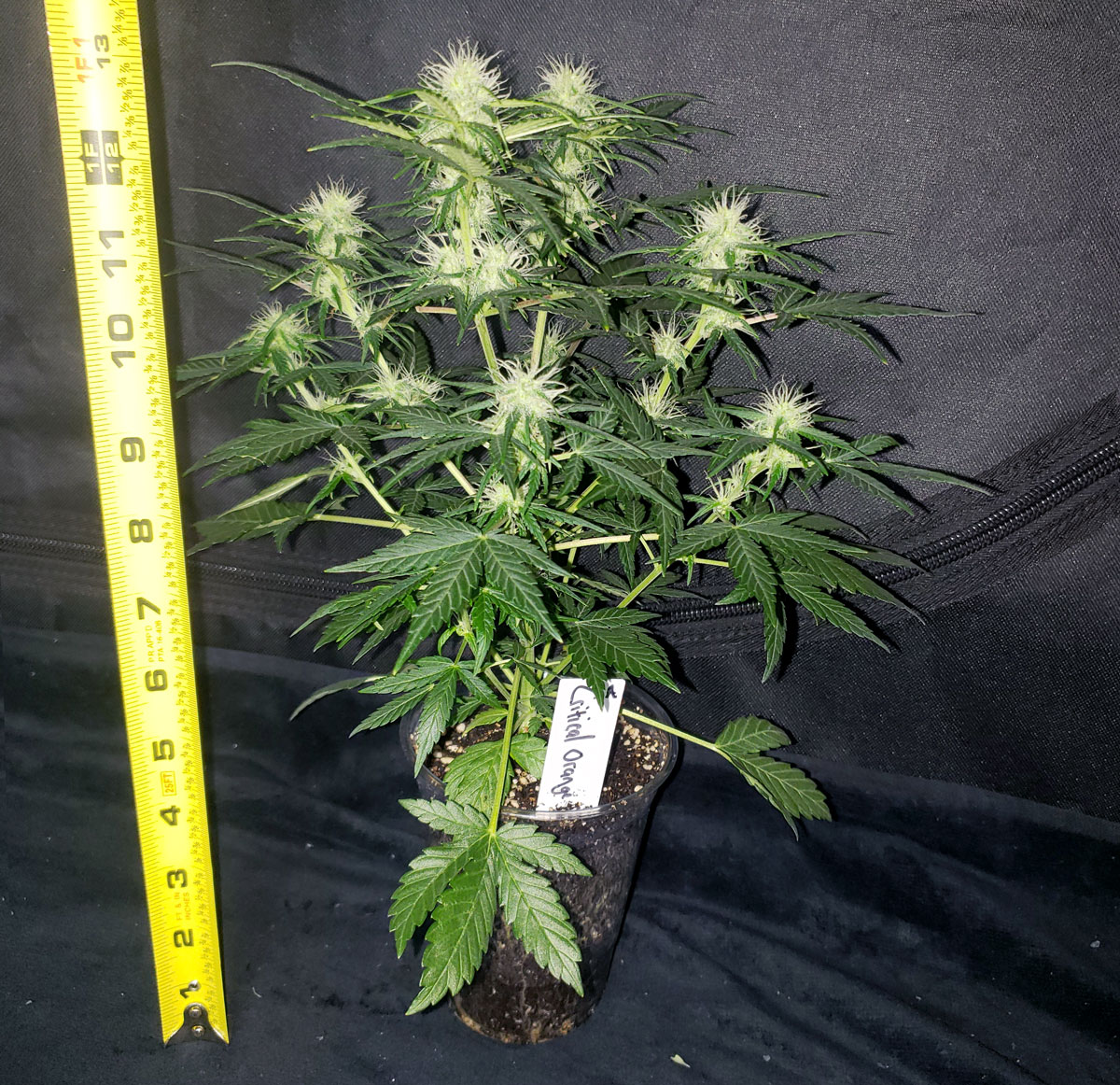
- Cultivar Selection: Specific cultivars within a strain can be bred for compact or large growth. For example, autoflowering varieties (often Ruderalis hybrids) are generally smaller, rarely exceeding 3–4 feet, while photoperiod plants can grow much larger.
2. Environmental Conditions
- Light:
- Intensity and Duration: Cannabis plants require ample light for photosynthesis, which fuels growth. Indoor growers using high-intensity lights (e.g., LED or HPS) can achieve larger plants, while insufficient light stunts growth. Outdoors, plants in regions with long, sunny days (e.g., Mediterranean climates) grow larger.
- Photoperiod: Photoperiod plants grow larger during the vegetative phase with longer light exposure (e.g., 18 hours of light daily), while auto flowers are less dependent on light cycles but stay smaller.
- Temperature and Humidity:
- Optimal temperatures (70–85°F or 21–29°C) promote vigorous growth. Extreme heat (above 90°F) or cold (below 50°F) can slow growth or stunt plants.
- Moderate humidity (40–60% during vegetative growth) supports healthy development, while high humidity can lead to mold, and low humidity may stress plants, limiting size.
- Air Circulation and CO2:
- Good airflow prevents mold and strengthens stems, allowing plants to support more weight and grow larger.
- Elevated CO2 levels (800–1200 ppm in controlled environments) can boost photosynthesis, leading to larger plants, especially indoors.
- Space Availability:
- Horizontal Space: Plants with more room to spread (e.g., outdoors or in large grow tents) develop wider canopies and larger structures. Crowded plants compete for light and space, resulting in smaller sizes.
- Vertical Space: Taller grow spaces allow Sativa-dominant strains to stretch without restriction, while limited vertical space (e.g., low ceilings indoors) can cap height.
3. Nutrients and Soil
- Nutrient Availability:
- Cannabis requires macronutrients (nitrogen, phosphorus, potassium) and micronutrients (calcium, magnesium, etc.) for growth. Nitrogen is particularly critical during the vegetative stage for promoting leafy, robust growth.
- Overfeeding or underfeeding can stunt growth. A balanced nutrient regimen tailored to the plant’s growth stage (vegetative or flowering) is essential.
- Soil Quality:
- Well-draining, nutrient-rich soil or growing mediums (e.g., coco coir, hydroponics) support larger plants. Poor soil with low organic matter or improper pH (ideal range: 6.0–7.0 for soil, 5.5–6.5 for hydro) restricts nutrient uptake, limiting size.
- Root Zone Health:
- Healthy, expansive root systems support larger plants. Larger pots or containers (e.g., 5–10 gallons for indoor grows, or unrestricted ground space outdoors) allow roots to spread, enabling bigger plants.
- Root-bound plants in small containers are stunted due to limited nutrient and water uptake.
4. Watering Practices
- Consistency: Cannabis plants need consistent but not excessive watering. Overwatering can lead to root rot, while underwatering stresses plants, both reducing size.
- Water Quality: Clean, pH-balanced water (6.0–7.0) ensures optimal nutrient absorption. Contaminated or hard water can hinder growth.
- Irrigation Method: Drip systems, hydroponics, or hand-watering can influence growth rates. Hydroponic systems often produce faster-growing, larger plants due to direct nutrient delivery.
5. Cultivation Techniques
- Training Techniques:
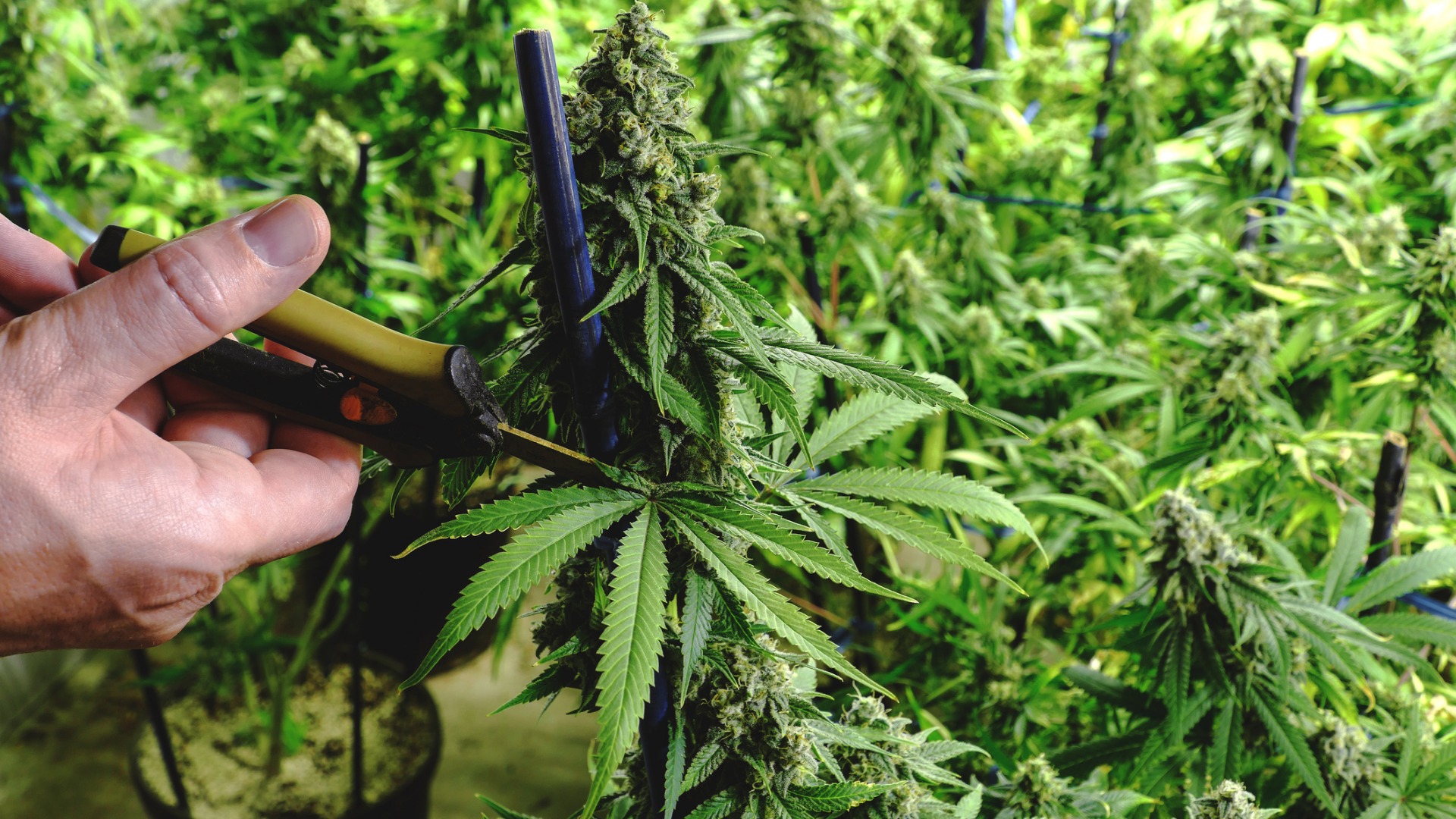
- Low-Stress Training (LST): Bending and tying branches to create a wider canopy can increase overall biomass, though it may limit vertical height.
- Screen of Green (ScrOG): Using a screen to spread branches maximizes light exposure, leading to larger yields and bushier plants.
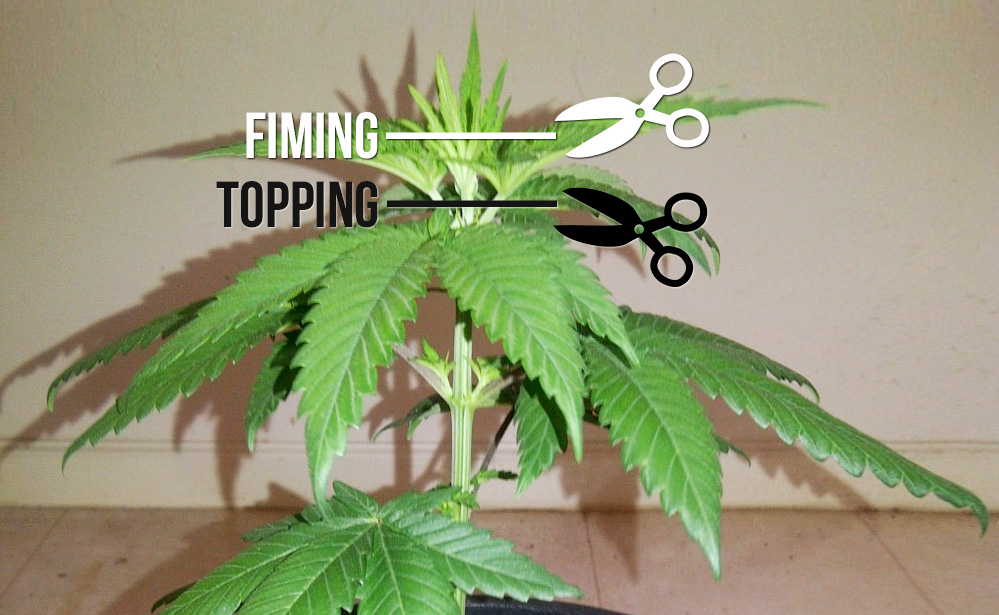
- Topping and Fiming: Cutting the main stem encourages bushier growth with multiple colas, increasing width but potentially reducing height.
- Defoliation: Removing excess leaves improves light penetration and airflow, supporting larger, healthier plants.
- Pruning: Over-pruning can stress plants and reduce size, while strategic pruning of lower, shaded branches directs energy to top growth.
- Vegetative Growth Duration:
- Longer vegetative periods (e.g., 6–8 weeks vs. 2–4 weeks) allow photoperiod plants to grow larger before switching to flowering.
- Auto flowers have a fixed vegetative period (typically 2–4 weeks), limiting their size regardless of conditions.
- Indoor vs. Outdoor Growing:
- Indoor: Size is constrained by grow space, pot size, and light intensity but can be optimized with training and high-quality setups.
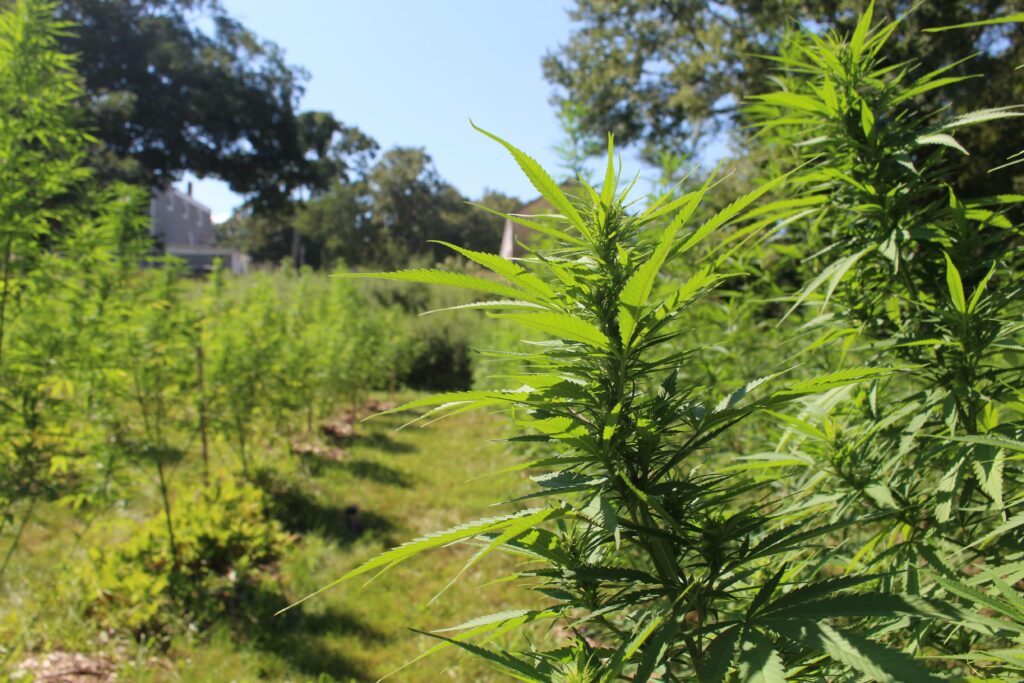
- Outdoor: Plants often grow larger due to natural sunlight, unlimited root space, and longer growing seasons, especially in ideal climates.
6. Pest and Disease Management
- Pests (e.g., spider mites, aphids) and diseases (e.g., powdery mildew, root rot) can stress plants, stunting growth and reducing size.
- Preventive measures like proper sanitation, pest-resistant strains, and organic pest control (e.g., neem oil) help maintain healthy, larger plants.
7. Climate and Seasonal Factors (Outdoor)
- Growing Season Length: In regions with long growing seasons (e.g., equatorial zones), plants have more time to grow, resulting in larger sizes. Shorter seasons in temperate climates limit growth time.
- Sunlight Exposure: Plants in full sun grow larger than those in partial shade. Obstructions like trees or buildings can reduce size.
- Weather Patterns: Excessive rain, drought, or extreme winds can stress plants, impacting size. Stable, warm, sunny conditions are ideal.
8. Grower Experience
Experienced growers can optimize conditions (light, nutrients, training) to maximize plant size, while beginners may inadvertently stunt growth through errors like overwatering, poor lighting, or incorrect nutrient ratios.
Relevant Practical Aspects
Indoor Growers : For optimal size, use large pots (5–10 gallons), high-intensity lights (600–1000W HPS or comparable LED), and training techniques like LST or ScrOG. Monitor environmental conditions closely with tools like hygrometers and pH meters.
Growers that are outdoors : Pick a sunny, well-drained location, add organic matter (compost, for example) to the soil, and use climate-appropriate strains. Utilize companion planting or coverings to shield plants from pests and harsh weather conditions.
Compared to autoflower, photoperiod Due to their brief life cycle, auto flowers are genetically limited in size; therefore, if size is an issue, photoperiod strains are better suited for larger plants.
II). Average Heights of Cannabis Plants by Type
-
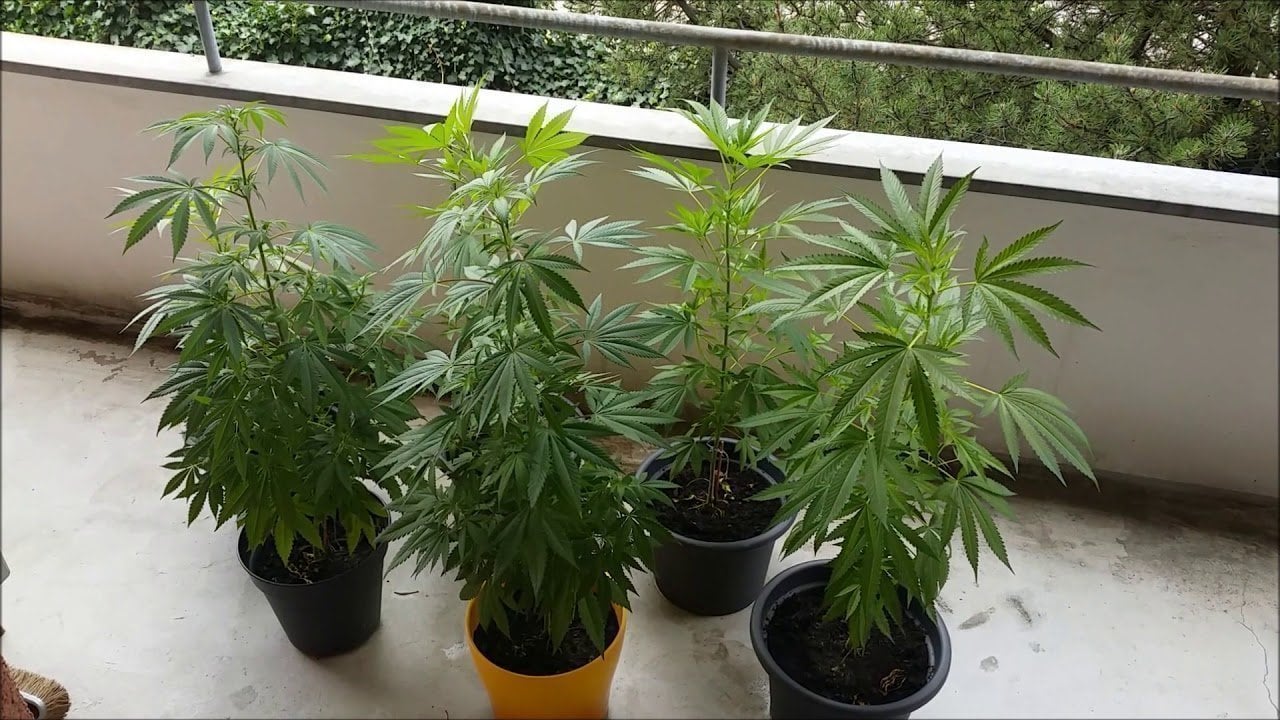
Indica Strains
-
Typically short and bushy.
-
Average height: 2 to 4 feet (60–120 cm) indoors.
-
Great for small spaces because they don’t stretch much during flowering.
-
-
Sativa Strains
-
Tall, slender, and fast-growing.
-
Average height: 6 to 12 feet (180–360 cm) outdoors, sometimes even taller.
-
Indoors, they may still stretch several feet if not trained.
-
-
Hybrid Strains
-
A mix of Indica and Sativa genetics.
-
Height varies depending on dominance: 3 to 6 feet (90–180 cm) on average.
-
Often bred for balanced growth and yield.
-
-
Auto flowering Varieties
-
Compact plants that switch to flowering automatically.
-
Average height: 1 to 3 feet (30–90 cm).
-
Ideal for stealth grows and small indoor setups.
-
III). Phases of Growth and Size Predictions
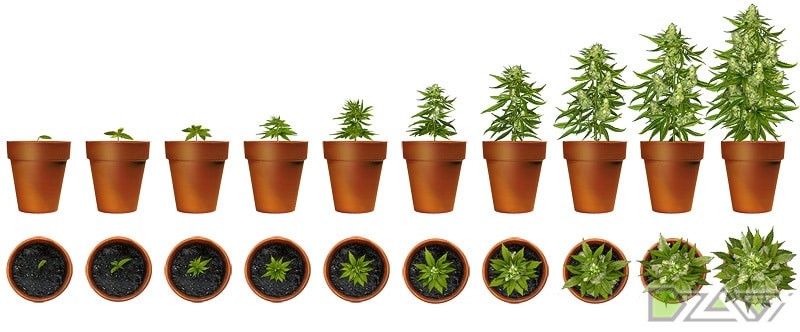
Cannabis plants grow through different stages, and their size depends on genetics, environment, and care. Here’s a simple summary of the stages and how big plants get:
- Germination (3–10 days):
- Seeds sprout and grow tiny roots and leaves.
- Size: 1–3 inches tall.
- What affects size: Good seeds, moist soil, warm temperature (70–80°F), and gentle light.
- Seedling (1–3 weeks):
- Plants grow their first real leaves and stronger roots.
- Size: 4–12 inches tall (auto flowers smaller, 4–8 inches).
- What affects size: Soft light, light feeding, small pots, and avoiding too much water.
- Vegetative (2–8 weeks for regular plants; 2–4 weeks for auto flowers):
- Plants grow tall and wide, building stems and leaves.
- Size: Regular plants: 1–5 feet tall; auto flowers: 1–3 feet tall.
- What affects size: Strong light, high nitrogen nutrients, bigger pots, training (like bending or topping), and good conditions (70–85°F, 40–60% humidity).
- Flowering (6–12 weeks for regular plants; 4–8 weeks for auto flowers):
- Plants grow buds and may stretch taller.
- Size: Regular plants: 2–12+ feet tall (Sativas stretch more); auto flowers: 2–4 feet.
- What affects size: Strong light, phosphorus/potassium nutrients, training from earlier, and stable conditions (65–80°F, 40–50% humidity).
- Harvest:
- Plants stop growing; size affects yield and drying space.
- Final Size: Indoor regular plants: 2–6 feet; outdoor: 4–12+ feet; auto flowers: 1–4 feet.
- What affects size: Earlier care, pruning, and harvest timing.
Essential Points:
- Genetics: Auto flowers are tiny, sativas are towering, and indicas are short and bushy.
- Care: More light, bigger pots, and longer growth time make bigger plants.
- Tips: For small plants, use auto flowers and small pots. For big plants, use Sativas, large pots, and long vegetative time.
IV). Comparing Indoor and Outdoor Cannabis Plant Size
-
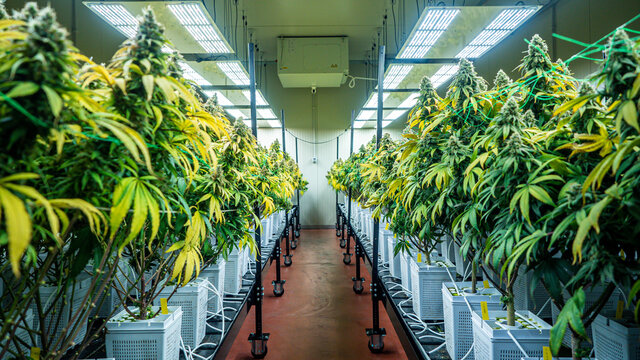
Indoor Plants
-
Height is usually 2 to 5 feet because growers control space with lights, pot size, and training.
-
Plants are kept smaller for better light coverage and airflow.
-
Yield is more controlled but limited compared to outdoors.
-
-
Outdoor Plants
-
Can grow 6 to 15 feet or more, depending on strain and climate.
-
Unlimited root space, natural sunlight, and longer growing seasons allow maximum size.
-
Larger plants often produce significantly higher yields.
-
V). Methods of Training to Control Size
Cutting the main stem tips to promote bushier growth and several colas rather than a single tall stalk is known as “topping and fimming.”
Low-Stress Training (LST): Spreading the canopy for uniform light exposure and controlling height by gently bending and tying branches.
Screen of Green (ScrOG): This technique maximizes bud sites while maintaining plant height by training branches horizontally using a net or screen.
Growing a large number of little plants closely together to produce a uniform canopy with little vertical growth is known as “sea of green” (SOG).
Pruning and defoliation are the processes of removing extra leaves or branches to increase light penetration, airflow, and control growth.
VI). Safely Increasing Plant Growth
Balance Growth and Yield : Healthy growth that supports robust buds is more important than bigger isn’t necessarily better.
Avoid overstretching by managing training, strain selection, and light distance to steer clear of tall, frail plants.
Provide Appropriate Support : To avoid stem breaking, support large plants with supports, trellises, or nets.
Avoid Common Mistakes : Poor pruning, overcrowding, and overfeeding can all lead to stress or hinder growth.
Put Plant Health First : A robust, well-balanced plant produces more crops in a safe and reliable manner.
Frequently Asked Questions
What is the maximum height at which a cannabis plant can reach ?
Under the right circumstances, certain Sativa plants can grow up to 15 feet outdoors.
Can autoflowers reach the same height as strains that use photoperiod ?
In contrast to photoperiod plants, autoflowers often remain tiny, ranging from one to three feet.
To what extent does yield depend on plant size ?
Larger plants typically produce more, but environmental factors, training, and health are equally important.
Conclusion
Genetics, environment, and training determine whether cannabis plants grow into tall green giants or small, sly shrubs. Knowing plant size aids in growth planning and yield optimization, whether you’re cultivating small autoflowers indoors or allowing a Sativa to sit in the sun. Ultimately, the quality of your cannabis plants’ growth is more important than their size