Cannabis-infused beverages have grown in popularity as a discrete and tasty method to consume cannabis whether used for medical or recreational purposes. One way to combine the possible benefits of cannabis with the refreshing taste of citrus is to mix it with orange juice. However, knowledge of the preparation techniques, efficacy, safety factors, and legal ramifications is necessary for making and ingesting cannabis-infused orange juice properly. To help you navigate the procedure and guarantee a fun, safe experience, a thorough description is provided below.
Can I Put Cannabis into Orange Juice and Drink It? 10 Facts
I). Understanding Cannabis Compounds
When exploring whether you can put cannabis into orange juice and drink it, it’s important to first understand what gives cannabis its effects in the body. Cannabis contains hundreds of chemical compounds, but two categories stand out the most: cannabinoids and terpenes.
1. Cannabinoids: The Active Players
-
THC (Tetrahydrocannabinol): This is the main psychoactive compound in cannabis—the one responsible for the “high.” However, THC in raw cannabis exists as THCA (tetrahydrocannabinolic acid), which is not psychoactive until it undergoes decarboxylation (heating).
-
CBD (Cannabidiol): CBD doesn’t make you feel intoxicated as THC does. It is prized for its advantages like lowering pain, inflammation, and anxiety. Similar to THC, CBD must be properly prepared in order for the body to absorb it.
2. Fat-Soluble Nature of Cannabinoids
Because they bind to fats and oils instead of dissolving in water, THC and CBD are both fat-soluble substances. Butter, oils, or creams are typically used in cannabis foods because they are more effective in delivering the cannabinoids into the bloodstream. Due to its water content, orange juice does not naturally aid in this process. You won’t experience the anticipated effects if you simply add cannabis to juice because most cannabinoids won’t dissolve correctly
3. Terpenes: The Flavor and Aroma Compounds
Cannabis also contains terpenes, the aromatic oils that give different strains their distinctive scents and flavors (citrusy, piney, earthy, fruity). Interestingly, some terpenes in cannabis share similarities with those found in oranges and other citrus fruits. For example:
-
Limonene: Found in both cannabis and orange peels, associated with a citrusy smell and uplifting mood effects.
-
Myrcene: Known for its earthy aroma, it may contribute to relaxation and sedation.
While terpenes don’t get you high on their own, they interact with cannabinoids in what’s called the “entourage effect,” potentially influencing the overall experience.
4. Bioavailability in Juice
When cannabinoids are dropped into juice without being infused into a carrier (like oil or alcohol), their bioavailability—the amount the body can actually absorb—is very low. This means most of the THC or CBD
would pass thro
ugh your digestive system without much effect.
II). Can You Just Put Cannabis in Orange Juice?
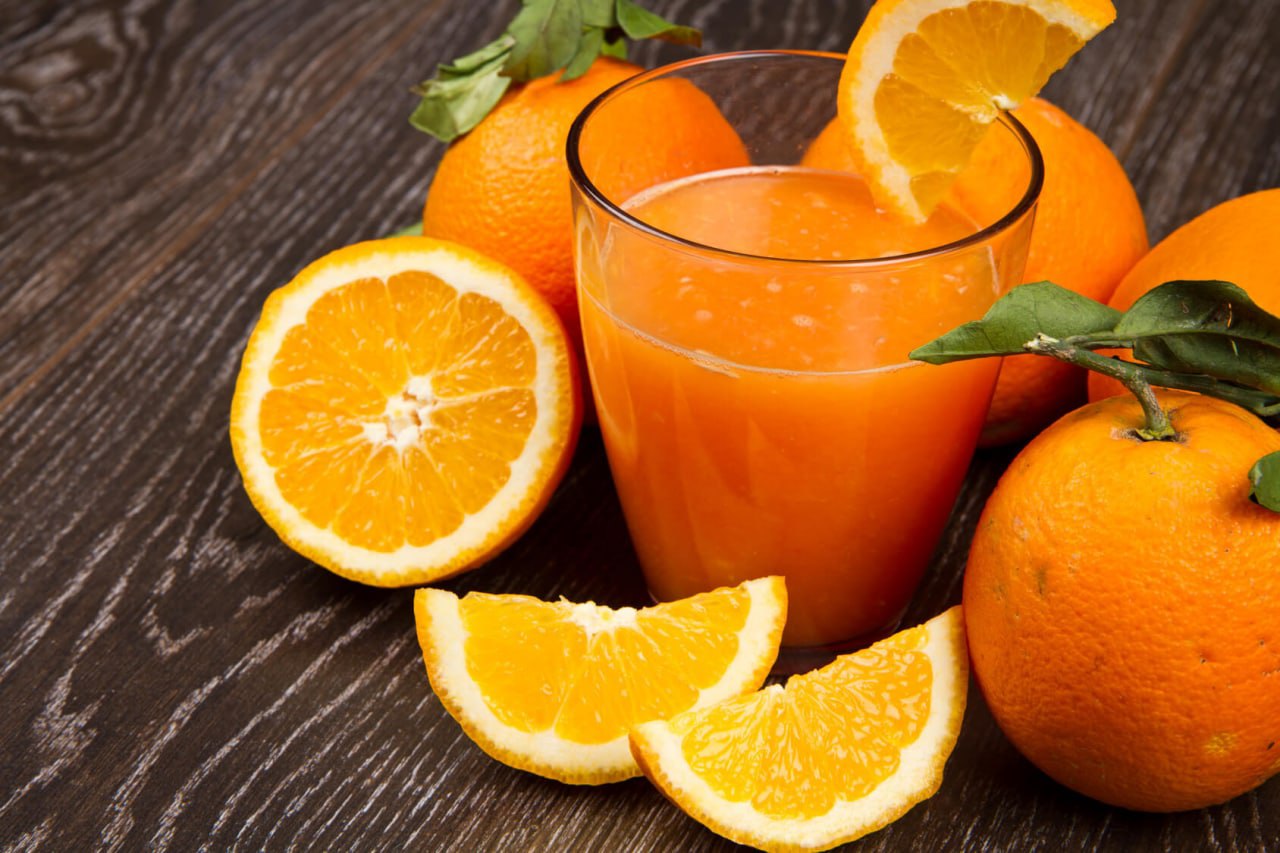
Raw Cannabis: Simply dropping dried cannabis into orange juice won’t activate THC or CBD. You’ll mostly just be drinking juice with plant matter.
Taste & Texture: Raw cannabis combined with sweet lemon juice typically has a bitter, fibrous taste.
Minimal Effects: Without proper preparation, the body won’t absorb the cannabinoids effectively, meaning you likely won’t feel much (if anything).
III). The Role of Decarboxylation
-
What It Is: A heating process that converts THCA (inactive form) into THC (psychoactive).
-
Why It Matters: Without heating cannabis, drinking it in juice won’t provide psychoactive effects.
-
Skipping Decarb: Raw cannabis may provide some nutritional benefits (like terpenes and antioxidants) but won’t deliver a high.
IV). Methods of Infusing Cannabis into Orange Juice
Simply dropping raw cannabis flower into orange juice won’t do much, since cannabinoids don’t dissolve in water and aren’t active until they’re heated. To actually feel the effects, you’ll need to use an infusion method that makes the THC or CBD bioavailable. Here are the main ways people do it:
1. Using Cannabis Oil or Tinctures
-
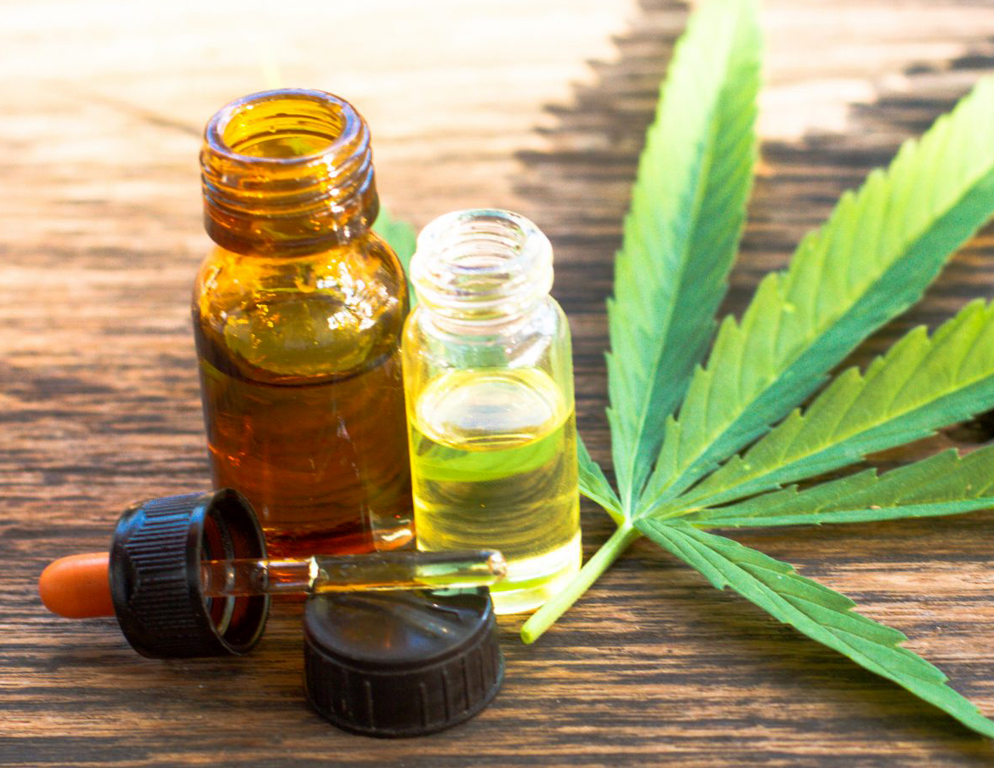
Cannabis Oil: Oils infused with THC or CBD (like coconut oil or MCT oil infusions) can be added directly to orange juice. Since cannabinoids are already activated and bound to fat, they’ll be absorbed by the body when consumed.
-
Alcohol-Based Tinctures: Cannabis can also be infused into high-proof alcohol, creating a tincture that mixes more easily into liquids. Just a few drops can be stirred into orange juice, making it one of the simplest and most effective methods.
-
Pros: Easy dosing, consistent potency, discreet, quick preparation.
-
Cons: Oils may float on top of the juice instead of blending fully, so stirring or shaking is needed.
2. Adding Distillates or Concentrates
-
Cannabis Distillates: These are highly refined extracts of THC or CBD that come in a thick, honey-like form. They’re already decarboxylated, meaning they’re ready to use. A small amount can be stirred into orange juice, though warming the juice slightly may help it dissolve better.
-
Hash or Wax Concentrates: Some concentrates can also be melted into an oil and then mixed with juice, but this requires more preparation.
-
Pros: Strong potency, accurate dosing.
-
Cons: Distillates are sticky, difficult to handle without practice, and can be overpowering if too much is used.
3. Infusing with Canna butter or Cannabis-Infused Fat
-
How It Works: Canna butter or cannabis coconut oil is a classic edible base. While not naturally suited to juice (since fat separates from liquid), blending it into a smoothie with orange juice, yogurt, or milk can help mask separation and improve absorption.
-
Pros: Homemade and cost-effective if you already have canna butter.
-
Cons: Doesn’t mix well in plain juice, requires extra ingredients for smooth texture.
4. Ready-Made Cannabis Beverages
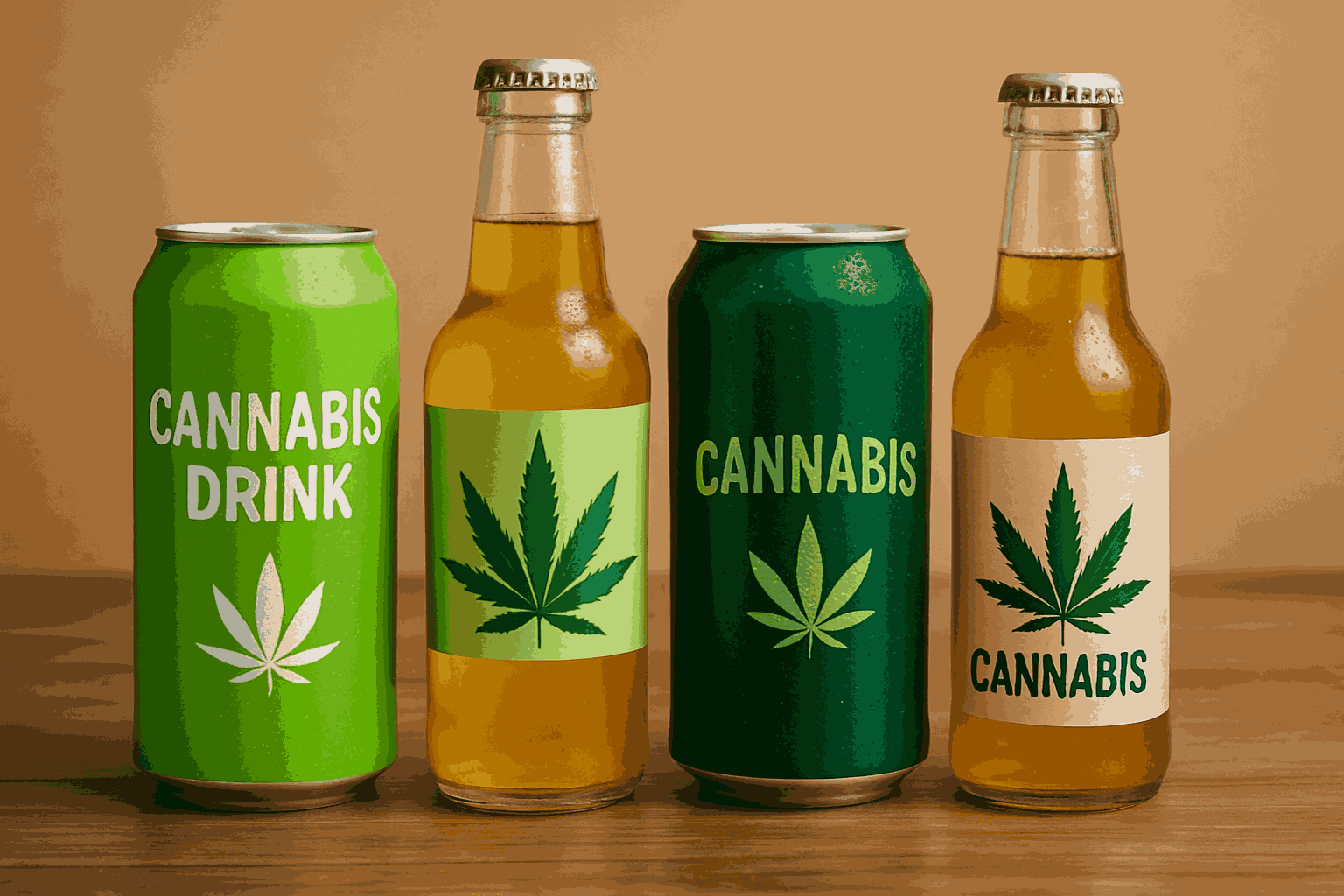
Commercial Options: In regions where cannabis is legal, you can buy pre-made cannabis drinks, including juices, sodas, and seltzers. These are professionally formulated with nano emulsified cannabinoids, which dissolve more effectively in water-based drinks.
Pros: Consistent, lab-tested doses; smooth taste; no prep required.
Cons: More expensive, limited availability depending on your location.
5. DIY Nano emulsions (Advanced)
-
What It Is: A process where cannabis oil is broken down into tiny particles so it can mix evenly with water-based liquids like juice.
-
How It’s Done: Requires specialized equipment (like ultrasonic emulsifiers), so it’s not a beginner-friendly method.
-
Pros: Results in professional-quality, smooth cannabis beverages.
-
Cons: Time-consuming, technical, and expensive equipment.
Useful Advice: Blend, Shake, or Stir
Cannabis-infused ingredients don’t always dissolve completely in juice, regardless of the method. Before drinking, use a blender, shake in a sealed bottle, or swirl violently to prevent uneven dosing.
V). Impacts and Considerations for Potency
Effects may take 30 minutes to 2 hours to manifest after consuming infused juice, which functions similarly to an edible.
Potency: The type of infusion determines potency; tinctures and distillates offer more consistent dosage.
Compared to smoking, the effects of consuming cannabis-infused juice are gradual but last longer.
VI). Health and Safety Concerns
1. Risk of Overconsumption
- Delayed Onset of Effects: THC is changed into 11-hydroxy-THC, a stronger and more persistent substance, by the liver when cannabis is taken orally (for example, in orange juice). In contrast to the almost instantaneous effects of smoking or vaping, impacts can take anywhere from 30 minutes to 2 hours to appear. Because they believe the first dose was unsuccessful, users—especially beginners—often overindulge as a result of this delay.
- Symptoms of Overconsumption: High doses of THC can cause:
- Severe anxiety or paranoia
- Rapid heart rate (tachycardia)
- Nausea or vomiting
- Dizziness or disorientation
- Hallucinations or confusion
- Extreme sedation or lethargy
- Mitigation: Start with a low dose (2.5–5 mg THC for beginners) and wait at least 2 hours before consuming more. Use precise dosing methods, such as lab-tested tinctures with marked droppers, to avoid guesswork. Homemade infusions are harder to dose accurately, increasing risk.
- Symptoms of Overconsumption: High doses of THC can cause:
2. Inconsistent Potency in Homemade Infusions
- Variable THC Content: When creating cannabis-infused oil or butter at home, the strength depends on the cannabis strain, decarboxylation efficiency, and infusion process. Predicting results can be challenging due to inconsistent potency, which might result in surprisingly powerful or weak effects.
- Risk: Consuming a batch that’s stronger than anticipated can lead to uncomfortable or overwhelming effects, while a weak batch may lead to repeated dosing, increasing the risk of accidental overconsumption later.
- Mitigation: Use lab-tested cannabis products (tinctures or oils) from licensed dispensaries, which provide precise THC and CBD content. If making infusions at home, test a small amount (e.g., 1/4 tsp of infused oil) and document effects before scaling up.
3. Contaminant Risks
- Pesticides, Mold, and Heavy Metals: Homegrown or unregulated cannabis may contain heavy metals, mold, or pesticides, which can be harmful to health when consumed, particularly in concentrated forms like infusions.
- Health Impacts: Long-term toxicity, allergic responses, and respiratory problems can all be brought on by contaminants. For instance, exposure to mold can cause infections or respiratory discomfort, especially in people with weakened immune systems.
- Mitigation: Source cannabis from reputable, licensed dispensaries that test for contaminants. If growing your own, follow safe cultivation practices and test the product if possible.
4. Allergic Reactions

- Cannabis Allergies: Though rare, some individuals may be allergic to cannabis or its components (e.g., terpenes or proteins in the plant). Symptoms can include skin rashes, itching, respiratory issues, or, in severe cases, anaphylaxis.
- Other Ingredients: Orange juice or carrier fats (e.g., coconut oil) may trigger allergies in sensitive individuals. For example, coconut oil allergies can cause gastrointestinal distress or skin reactions.
- Mitigation: Test for allergies by consuming a very small amount of the infused juice (e.g., a sip) and monitoring for reactions. If you have known food allergies, verify all ingredients are safe for you.
5. Drug Interactions
- Medication Interactions: Cannabis, particularly THC and CBD, can interact with medications by affecting the liver’s cytochrome P450 enzyme system, which metabolizes many drugs. This can alter the effectiveness or side effects of:
- Antidepressants (e.g., SSRIs)
- Blood thinners (e.g., warfarin)
- Anticonvulsants
- Sedatives or benzodiazepines
- Example: CBD can increase the effects of sedatives, leading to excessive drowsiness, while THC may amplify the effects of alcohol or other depressants.
- Mitigation: Consult a healthcare provider before consuming cannabis-infused orange juice if you’re on medications, especially those with known interactions. Disclose your cannabis use to your doctor for tailored advice.
6. Vulnerable Populations
- Pregnant or Breastfeeding Individuals: Cannabis usage during pregnancy or lactation may be harmful to the development of the fetus or baby. Although research is ongoing, studies point to possible connections to developmental delays, low birth weight, or cognitive deficits.
- Adolescents and Young Adults: Cannabis use before age 25, when the brain is still developing, may affect cognitive function, memory, and mental health, potentially increasing the risk of anxiety or psychosis in predisposed individuals.
- Individuals with Mental Health Conditions: Those with anxiety, depression, or schizophrenia may experience worsened symptoms, especially with high-THC products. THC can exacerbate paranoia or psychotic episodes in susceptible individuals.
- Mitigation: Avoid cannabis-infused beverages if you fall into these groups or consult a medical professional. Opt for CBD-only products if seeking non-psychoactive benefits, as they pose less risk to mental health.
7. Impaired Judgment and Coordination
- Psychoactive Effects: THC in cannabis-infused orange juice can impair motor skills, reaction time, and decision-making, increasing the risk of accidents (e.g., driving or operating machinery).
- Duration: Effects can last 4–8 hours or longer, depending on the dose and individual metabolism, meaning impairment may persist longer than expected.
- Mitigation: Avoid driving or engaging in activities requiring focus for at least 8 hours after consumption or until effects fully subside. Plan consumption in a safe, controlled environment.
8. Storage and Accidental Ingestion
- Risk of Accidental Consumption: Cannabis-infused orange juice resembles regular juice, posing a risk of accidental ingestion by children, pets, or unaware adults. This can lead to serious health consequences, especially in children, who are more sensitive to THC.
- Spoilage: Improperly stored infused juice can spoil, especially since orange juice is perishable. Bacterial growth or fermentation can cause foodborne illness.
- Mitigation: Store infused juice in a clearly labeled, child-proof container in the refrigerator, and consume within a few days. Keep it out of reach of children and pets. Consider using a lockable fridge if children are present.
9. Cardiovascular and Respiratory Effects

- Cardiovascular Impact: THC can temporarily increase heart rate and blood pressure, which may be risky for individuals with heart conditions or hypertension.
- Respiratory Considerations: While edibles avoid the lung irritation associated with smoking, individuals with pre-existing respiratory conditions should be cautious, as contaminants in low-quality cannabis could still pose risks if ingested.
- Mitigation: Those with cardiovascular or respiratory conditions should consult a doctor before consuming cannabis. Use high-quality, tested products to minimize risks.
10. Long-Term Health Risks
- Chronic Use: Regular consumption of THC-rich cannabis may lead to dependence, cognitive impairment, or mental health issues in some users. Long-term edible use may also strain the liver due to repeated metabolism of cannabinoids.
- Nutritional Concerns: Because orange juice has a lot of sugar, drinking cannabis-infused orange juice frequently may cause weight gain, dental problems, or blood sugar rises, especially in diabetics.
- Mitigation: Use cannabis in moderation and monitor overall sugar intake. Consider low-sugar or fresh-squeezed orange juice to reduce nutritional risks.
Useful Safety Advice
- Start Low, Go Slow: Begin with a micro dose (e.g., 1–2 mg THC) and gradually increase only after understanding your tolerance.
- Use Tested Products: Opt for lab-tested tinctures or oils from licensed dispensaries to ensure safety and accurate dosing.
- Monitor Effects: Keep a journal of doses and effects to track your body’s response and avoid overconsumption.
- Stay Hydrated: Cannabis can cause dry mouth, so drink water alongside the juice to stay comfortable.
- Avoid Mixing with Alcohol: Combining cannabis with alcohol can amplify impairment and increase adverse effects.
- Seek Medical Help if Needed: If you experience severe discomfort (e.g., panic attacks, vomiting), contact a healthcare provider or poison control in your Country.
VII). Taste and Flavor Tips
-
Balancing Flavors: Cannabis has an earthy, herbal flavor that may clash with citrus.
-
Enhancing Taste: Adding honey, ginger, or mint can help balance bitterness.
-
Smoothie Option: Blending cannabis oil with juice and yogurt creates a creamier base for better cannabinoid absorption.
VIII). Legal and Responsible Use

-
Know the Law: Cannabis-infused beverages may be illegal in some regions; always check local regulations.
-
Responsible Dosing: Start with a small amount of infused oil or tincture and wait before increasing dosage.
-
Safe Consumption: Never drive or operate machinery after consuming infused beverages.
Conclusion
Can cannabis be added to orange juice and then consumed? Yes, technically, but if you just add raw cannabis, it won’t work as intended. Cannabis must be decarboxylated and infused with a fat, oil, or tincture that can mix with juice in order to produce the desired effects. Taste, dosage management, and legality should always be taken into account, even if it’s feasible. For a safer and more pleasurable experience, premade cannabis beverages or expertly created tincture mixtures can be a preferable option.