Veterans and Drug Abuse | 8 Facts Exposed
Introduction
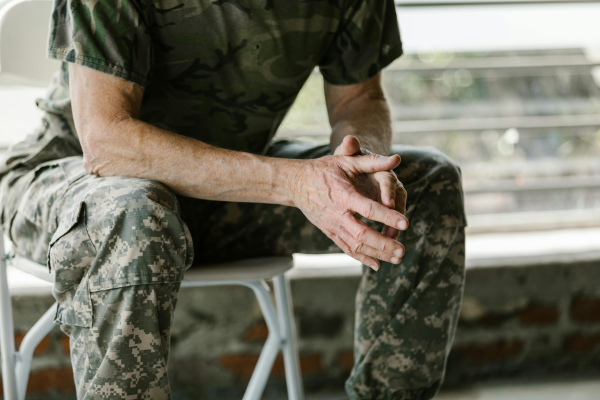
Serving in the military requires exceptional psychological fortitude, emotional fortitude, and physical stamina. Veterans frequently come home having experienced numerous life-threatening circumstances, protracted stress, traumatic events, and battle exposure. Many people make a smooth transition back into civilian life, but many continue to struggle in secret long after they leave active duty. Drug misuse among veterans is one of the most urgent and poorly understood issues.
Across the United States, the United Kingdom, and globally, substance abuse has become a growing concern within veteran communities. Drug abuse among military veterans is often linked to post-traumatic stress disorder (PTSD), chronic pain, depression, anxiety, and difficulties reintegrating into civilian life. Without adequate support systems, some veterans turn to drugs as a coping mechanism and oftentimes, it can unintentionally lead to addiction.
Veterans and Drug Abuse | 8 Facts Exposed on the Causes, Impact, and Pathways to Recovery
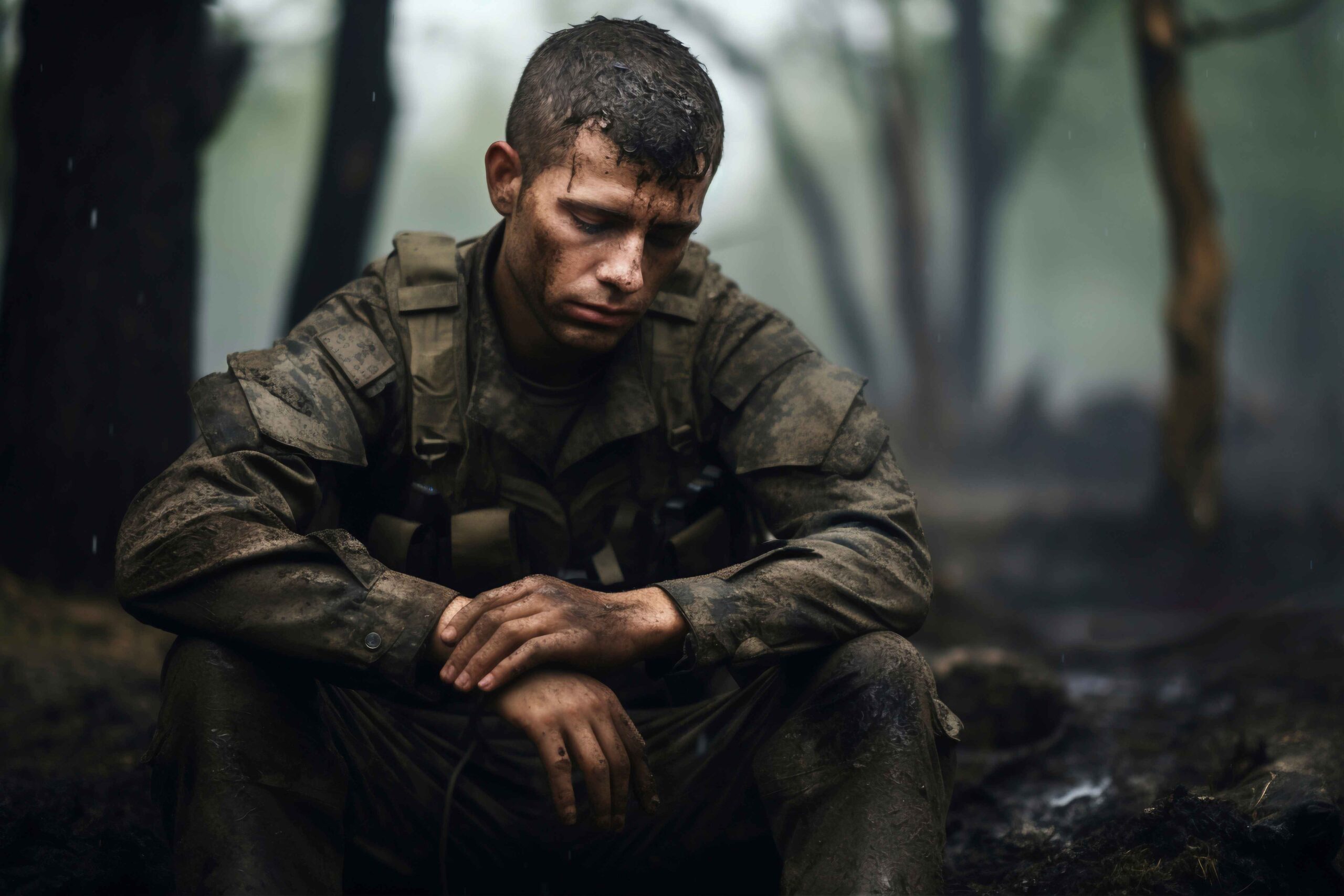
What Is Drug Abuse?
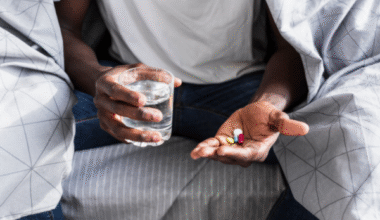
Drug abuse refers to the misuse of legal or illegal substances in a way that negatively affects physical health, mental well-being, relationships, or daily functioning. Among veterans, drug abuse may include:
a). Misuse of prescription medications
b). Use of illegal drugs
c). Polysubstance abuse (The use of multiple substances together)
d). Self-medication for mental or physical pain
How Common Is Drug Abuse Among Veterans?
Lets Consider the Drug Abuse Statistics Among Veterans (US, UK & Global)
Substance abuse rates among veterans are higher than the general population in many countries:
(i). In the United States, veterans experience disproportionately high rates of opioid misuse due to service-related injuries.
(ii). In the United Kingdom, former service members show elevated levels of alcohol and prescription drug misuse.
(iii).Globally, veterans from conflict zones face increased risks of substance abuse tied to trauma and displacement.
Key research consistently show:
(i). Veterans with combat exposure are more likely to develop substance use disorders.
(ii).Veterans diagnosed with PTSD are at significantly higher risk of drug addiction.
(iii).Prescription drug misuse often precedes illegal drug use.
Why Veterans Struggle With Drug Abuse After Military Service
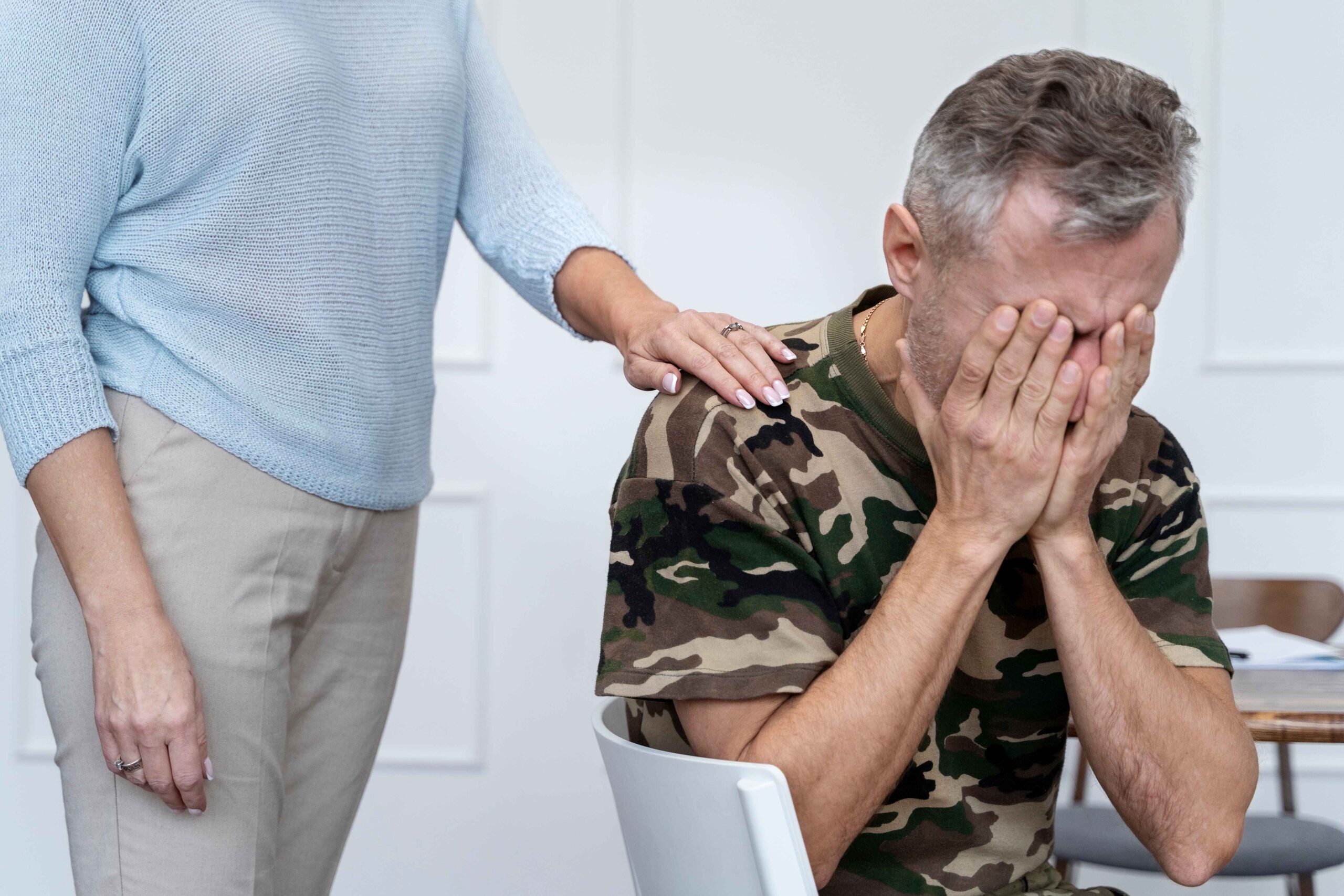
1. Post-Traumatic Stress Disorder (PTSD)
PTSD and substance abuse in military veterans are closely linked. Veterans may experience:
(a). Flashbacks
(b). Nightmares
(c). Hypervigilance
(d). Emotional numbness
(e). Severe anxiety
Drugs may temporarily dull these symptoms, leading to self-medication, which can quickly escalate into addiction.
2. Chronic Pain and Physical Injuries
Military service frequently results in:
(a). Musculoskeletal injuries
(b). Nerve damage
(c). Traumatic brain injuries (TBI)
Veterans are often prescribed opioids or painkillers, which carry a high risk of dependency. Long-term use can result in prescription drug abuse among veterans, especially when pain persists.
3. Difficulty Transitioning to Civilian Life
Leaving the structured military environment can feel disorienting. Veterans may struggle with:
(a). Employment
(b). Identity loss
(c). Social isolation
(d). Lack of purpose
Substance use may begin as a way to cope with loneliness, frustration, or feelings of being misunderstood.
4. Mental Health Disorders
Veterans experience higher rates of:
(a). Depression
(b). Anxiety disorders
(c). Sleep disorders
(d). Survivor’s guilt
When mental health treatment is delayed or inaccessible, drugs can become a harmful coping mechanism.
5. Military Culture and Stigma
In many military cultures:
(a). Emotional vulnerability is discouraged
(b). Seeking help is perceived as weakness
(c). Self-reliance is emphasized
This stigma prevents many veterans from seeking professional help, increasing the likelihood of substance misuse.
Commonly Abused Drugs Among Veterans

1. Prescription Opioids
Common examples:
(i). Oxycodone
(ii). Hydrocodone
(iii). Morphine
(iv). Fentanyl
Opioids are a major contributor to drug addiction among veterans and are frequently administered for pain associated with military service.
2. Benzodiazepines
Used to treat anxiety and insomnia:
(i). Xanax
(ii). Valium
(iii). Ativan
These medications raise the risk of overdosing when used improperly, particularly when paired with opioids.
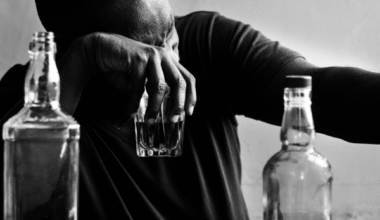
3. Alcohol (Often Combined With Drugs)
Though legal, alcohol abuse is widespread among veterans and often co-occurs with drug use, worsening addiction outcomes.
4. Illicit Drugs
Some veterans turn to:
(i). Heroin
(ii). Cocaine
(iii). Methamphetamine
(iv). Cannabis (illicit in some countries)
Illicit drug use may follow prescription drug dependency or untreated mental health conditions.
The Impact of Drug Abuse on Veterans’ Lives
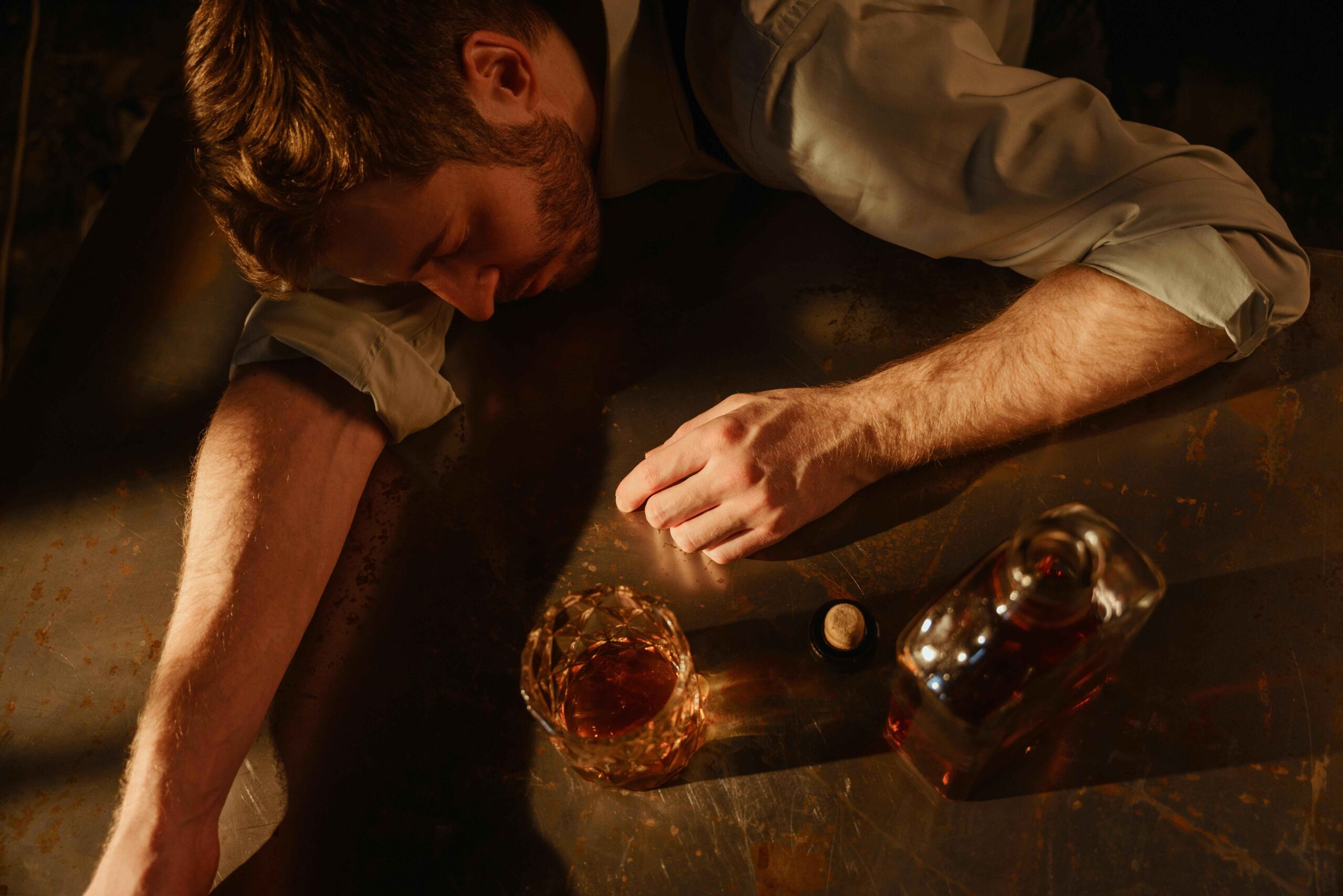
Treatment Options for Veterans With Drug Abuse
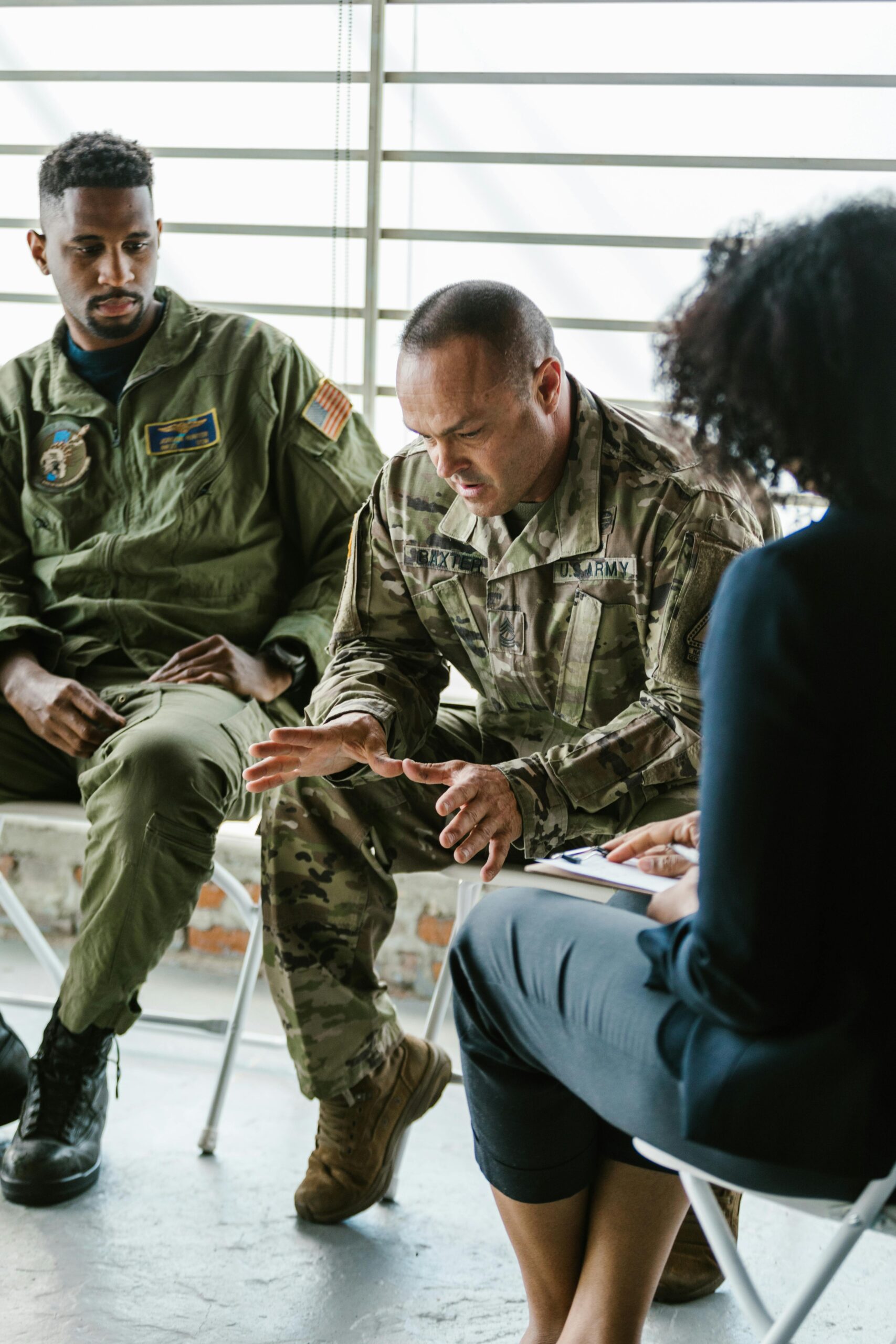
1. Integrated Dual-Diagnosis Treatment
Effective care must address both addiction and mental health disorders simultaneously. This approach is crucial for veterans with PTSD or depression.
2. Veteran-Specific Rehabilitation Programs
Veteran-focused programs offer:
(a). Trauma-informed care
(b). Military-cultural understanding
(c). Peer support from fellow veterans
3. Medication-Assisted Treatment (MAT)
Common medications include:
(a). Methadone
(b). Buprenorphine
(c). Naltrexone
MAT is particularly effective for opioid addiction in veterans.
4. Counseling and Therapy
Evidence-based therapies include:
(a). Cognitive Behavioral Therapy (CBT)
(b). Eye Movement Desensitization and Reprocessing (EMDR)
(c). Group therapy
(d). Family therapy
5. Support Groups for Veterans Recovering From Drug Abuse
Peer support groups help veterans:
(a). Share experiences
(b). Reduce isolation
(c). Maintain long-term sobriety
VA and Veteran Support Programs (US, UK & Global)
United States
(i). VA Substance Use Disorder Programs
(ii). Veterans Crisis Line
(iii). Vet Centers
(iv). Community-based outpatient clinics
United Kingdom
(i). NHS veteran mental health services
(ii). Combat Stress
(iii). Op COURAGE
(iv). Local authority veteran programs
Global Support
(i). International veteran charities
(ii). NGO-led trauma recovery programs
(iii). Community rehabilitation initiatives
How Families Can Support Veterans Struggling With Drug Abuse
(i). Learn about addiction and PTSD
(ii). Encourage professional help
(iii). Avoid enabling behaviors
(iv). Practice patience and empathy
(v). Seek family counseling
Preventing Drug Abuse Among Veterans
Prevention strategies include:
(i). Early mental health screening
(ii). Responsible prescribing practices
(iii). Peer mentorship programs
(iv). Public awareness campaigns
(v). Reducing stigma around seeking help
Recovery and Hope: Life After Addiction
Recovery is possible. Many veterans who once struggled with addiction now lead fulfilling lives, supported by:
(i). Continued therapy
(ii). Strong social networks
(iii). Purpose-driven activities
(iv). Veteran peer communities
With the right resources, veterans can reclaim their health, dignity, and sense of purpose.
Conclusion
Drug misuse among veterans is a complicated worldwide problem with roots in pain, trauma, and structural difficulties. Military veterans’ substance addiction is frequently a reaction to stressful situations and unfulfilled needs rather than a moral fault.
Societies can better support veterans who have made such sacrifices by raising awareness, expanding access to veteran-specific care, and lowering stigma. Veterans should not be silenced or condemned; instead, they should receive compassion, empathy, and all-encompassing care.