What Are the Physical Signs of Drug Abuse?
Drug abuse is a global public health issue that affects individuals, families, and communities across all social, economic, and cultural backgrounds. While the emotional and behavioral effects of drug abuse often receive attention, the physical signs are frequently the earliest and most visible indicators that something is wrong.
Recognizing the physical signs of drug abuse can be life-saving. Early detection allows for timely intervention, treatment, and recovery before long-term damage or fatal consequences occur. This article provides an in-depth look at the common physical warning signs of drug abuse, how they vary by substance, and why awareness is critical.
Understanding Drug Abuse
Drug abuse refers to the misuse of illegal drugs or the improper use of prescription and over-the-counter medications. It may involve taking drugs in larger amounts, more frequently, or in ways not prescribed (such as crushing pills or injecting substances).
Over time, repeated drug use can alter the brain and body, leading to tolerance, dependence, and addiction. These changes often manifest physically long before a person acknowledges they have a problem.
Why Physical Signs Matter
Physical symptoms are often:
a). Easier to observe than emotional changes
b). Early indicators of substance misuse
c). Warning signs of serious health complications
d). Evidence of long-term bodily damage
Friends, family members, teachers, and caregivers who understand these signs are better equipped to intervene early and offer help.
General Physical Signs of Drug Abuse

While specific symptoms vary by substance, many drugs share common physical effects. These general signs may indicate ongoing drug abuse:
1. Changes in Appearance
a). Sudden or extreme weight loss or gain
b). Poor personal hygiene
c). Disheveled or neglected appearance
d). Wearing long sleeves in hot weather to hide injection marks
2. Bloodshot or Glazed Eyes
a). Red, watery, or glassy eyes
b). Dilated (large) or constricted (small) pupils
c). Difficulty focusing or maintaining eye contact
3. Unusual Body Odors
a). Chemical, sweet, or strong odors on breath, clothing, or skin
b). Smell of alcohol, smoke, or solvents
4. Fatigue and Low Energy
a). Constant tiredness or lethargy
b). Sleeping excessively or experiencing insomnia
c). Appearing weak or physically drained
5. Frequent Illness
a). Recurrent colds or infections
b). Weakened immune system
c). Slow wound healing
Physical Signs Associated With Specific Types of Drugs
Different substances affect the body in unique ways. Understanding substance-specific signs can help identify what type of drug may be involved.
Physical Signs of Stimulant Abuse
(Cocaine, methamphetamine, amphetamines)
Stimulants increase alertness, energy, and heart rate, but prolonged use severely stresses the body.
Common Physical Signs:
a). Rapid weight loss
b). Excessive sweating
c). Dilated pupils
d). Increased heart rate and blood pressure
e). Tremors or shaking
f). Restlessness or hyperactivity
Long-Term Physical Effects:
a). Severe dental problems (“meth mouth”)
b). Skin sores from scratching or picking
c). Chronic nosebleeds (from snorting drugs)
d). Heart problems, including arrhythmias and heart attacks
Physical Signs of Depressant Abuse
(Alcohol, benzodiazepines, barbiturates)
Depressants slow down brain and body functions.
Common Physical Signs:
a). Slurred speech
b). Poor coordination and balance
c). Drowsiness or sedation
d). Slow breathing
e). Bloodshot eyes
Long-Term Physical Effects:
a). Liver damage
b). Memory impairment
c). Respiratory problems
d). Increased risk of overdose
Physical Signs of Opioid Abuse
(Heroin, morphine, codeine, fentanyl, prescription painkillers)
Opioids are among the most dangerous substances due to their high overdose risk.
Common Physical Signs:
a). Pinpoint pupils
b). Slow or shallow breathing
c). Extreme drowsiness or nodding off
d). Itching or flushed skin
e). Nausea and vomiting
Long-Term Physical Effects:
a). Collapsed veins from injection
b). Chronic constipation
c). Increased risk of infectious diseases (HIV, hepatitis)
d). Respiratory failure
Physical Signs of Hallucinogen Abuse
(LSD, psilocybin, PCP)
Hallucinogens distort perception and sensory experiences.
Common Physical Signs:
a). Dilated pupils
b). Increased heart rate
c). Sweating
d). Nausea
e). Tremors
Long-Term Physical Effects:
a). Persistent visual disturbances
b). Memory issues
c). Coordination problems
Physical Signs of Cannabis (Marijuana) Abuse
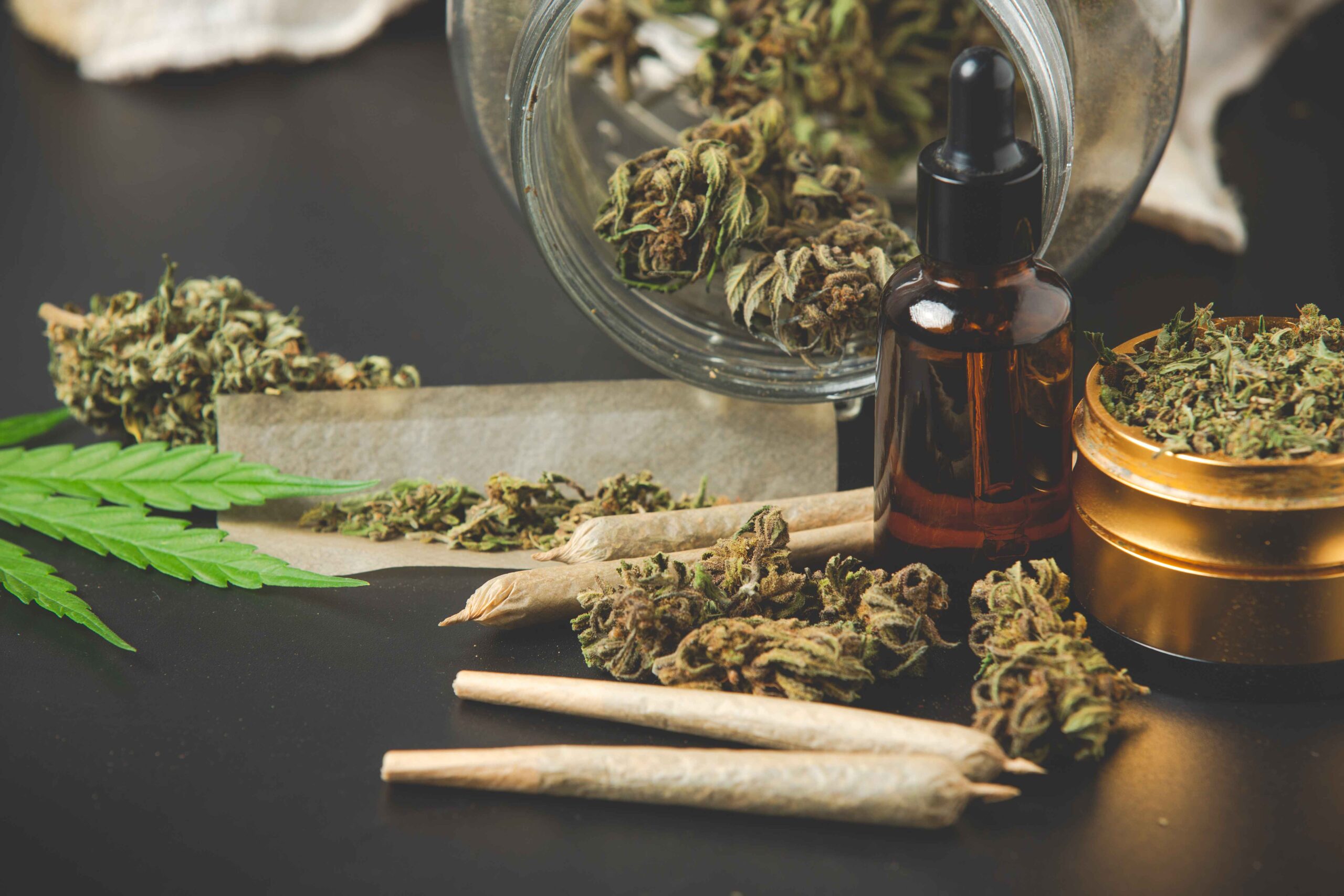
Although often perceived as “less harmful,” cannabis can still produce noticeable physical symptoms.
Common Physical Signs:
a). Bloodshot eyes
b). Increased appetite (“munchies”)
c). Dry mouth
d). Slowed reaction time
e). Impaired coordination
Long-Term Physical Effects:
a). Lung irritation from smoking
b). Chronic cough
c). Reduced cognitive performance
Physical Signs of Inhalant Abuse
(Glue, paint thinner, gasoline, aerosols)
Inhalants are especially dangerous and commonly abused by adolescents.
Common Physical Signs:
a). Chemical odor on breath or clothing
b). Paint or stains on face or hands
c). Slurred speech
d). Dizziness
e). Nausea
Long-Term Physical Effects:
a). Brain damage
b). Liver and kidney damage
c). Sudden sniffing death syndrome
Skin, Hair, and Dental Changes
Drug abuse often leaves visible marks on the body:
Skin
a). Track marks or scars
b). Infections or abscesses
c). Pale or unhealthy complexion
Hair
a). Thinning or brittle hair
b). Hair loss due to malnutrition
Teeth and Gums
a). Tooth decay
b). Gum disease
c). Tooth loss
Changes in Eating and Sleeping Patterns
Drug abuse disrupts the body’s natural rhythms:
a). Loss of appetite or binge eating
b). Insomnia or oversleeping
c). Night sweats
d). Irregular sleep cycles
These changes often contribute to malnutrition and weakened immunity.
Physical Signs of Drug Withdrawal
When drug use is reduced or stopped, withdrawal symptoms may occur:
Common Withdrawal Symptoms:
a). Sweating and chills
b). Muscle aches
c). Headaches
d). Nausea and vomiting
e). Shaking or tremors
f). Fatigue
Withdrawal symptoms vary in severity depending on the substance and level of dependence.
When Physical Signs Become Medical Emergencies

Some physical symptoms require immediate medical attention, including:
a). Difficulty breathing
b). Loss of consciousness
c). Seizures
d). Extreme chest pain
e). Blue lips or fingertips
f). Severe confusion
These may indicate an overdose or life-threatening reaction.
Why Physical Signs Are Often Ignored
Many people hide drug abuse by:
a). Wearing concealing clothing
b). Using eye drops or mints
c). Making excuses for illness or fatigue
This makes awareness and education even more critical.
The Importance of Early Detection
Early recognition of physical signs:
a). Reduces risk of overdose
b). Prevents long-term organ damage
c). Improves treatment outcomes
d). Saves lives
Addressing drug abuse early allows individuals to seek help before irreversible harm occurs.
What to Do If You Notice Physical Signs of Drug Abuse

Noticing physical signs of drug abuse in someone you care about can be alarming, confusing, and emotionally overwhelming. Many people struggle with what to do next, fearing they might say the wrong thing, damage the relationship, or make the situation worse. However, ignoring the signs can allow the problem to escalate, sometimes with life-threatening consequences.
Taking the right steps—calmly, compassionately, and responsibly—can make a critical difference. Below is a comprehensive guide on how to respond effectively if you suspect drug abuse.
i. Stay Calm and Avoid Panic
Your first reaction matters. While fear and concern are natural, panic or anger can push the person further into denial or secrecy.
a). Take time to process what you’ve noticed
b). Avoid jumping to conclusions based on a single sign
c). Remember that drug abuse is often a symptom of deeper issues
A calm mindset allows you to approach the situation with clarity rather than emotion.
ii. Observe Patterns, Not Just Isolated Signs
Pay attention to:
a). Repeated changes in appearance or hygiene
b). Ongoing weight loss or fatigue
c). Frequent unexplained illnesses
d). Persistent eye changes or coordination problems
Documenting patterns helps you speak from observation rather than accusation.
iii. Choose the Right Time and Place to Talk
Timing and environment can influence how the conversation goes.
a). Choose a private, quiet setting
b). Avoid conversations when the person appears intoxicated
c). Ensure there are no distractions or time pressure
The goal is to create a space where the person feels safe, not cornered.
iv). Speak With Compassion, Not Judgment
How you communicate is just as important as what you say.
Avoid accusatory language, such as:
a). “You’re clearly on drugs.”
b). “You’re ruining your life.”
Instead, use concern-based statements:
a). “I’ve noticed you seem unwell lately, and I’m worried about you.”
b). “I care about you, and I want to understand what’s going on.”
This approach reduces defensiveness and opens the door to honesty.
v. Listen More Than You Speak
Once the conversation begins, allow the person to talk.
a). Do not interrupt or argue
b). Avoid minimizing their experiences
c). Acknowledge their feelings, even if you disagree
Listening communicates respect and trust—two essential components in helping someone accept support.
vi. Do Not Enable or Cover Up the Behavior
Out of love or fear, some people unintentionally enable drug abuse by:
a). Making excuses for the person
b). Covering up consequences
c). Providing money without accountability
While well-intentioned, enabling can prolong addiction and delay recovery. Support should encourage responsibility, not avoidance.
vii. Encourage Professional Help
Drug abuse is a medical and psychological issue—not a moral failure. Professional support is often necessary.
Encourage them to consider:
a). Seeing a healthcare provider
b). Speaking with an addiction counselor
c). Undergoing a medical evaluation
You can frame it as concern for their health rather than a demand for treatment.
viii. Know When Immediate Help Is Needed
Some physical signs indicate a medical emergency and require urgent action.
Seek emergency help if you notice:
a). Difficulty breathing
b). Loss of consciousness
c). Seizures
d). Blue or pale lips and fingertips
e). Severe chest pain or confusion
In such cases, do not wait for consent—call emergency services immediately.
ix. Set Healthy Boundaries
Supporting someone does not mean sacrificing your own safety or well-being.
Healthy boundaries may include:
a). Refusing to tolerate drug use in your home
b). Declining to provide money
c). Protecting children from unsafe environments
Boundaries help maintain stability and prevent emotional burnout.
x. Educate Yourself About Drug Abuse
Understanding addiction reduces fear, stigma, and misinformation.
Learn about:
a). The physical effects of different drugs
b). Withdrawal symptoms
c). Treatment and recovery options
Education empowers you to respond with knowledge instead of assumptions.
xi. Seek Support for Yourself
Helping someone with substance abuse can be emotionally draining. You don’t have to face it alone.
Consider:
a). Support groups for families
b). Counseling or therapy
c). Speaking with healthcare professionals
Taking care of yourself allows you to remain strong and supportive.
xii. Understand That Change Takes Time
Recovery is rarely immediate. Denial, relapse, and resistance are common parts of the process.
a). Avoid ultimatums unless safety is at risk
b). Celebrate small progress
c). Stay patient but consistent
Your continued presence and concern can be a powerful motivator for change.
Why Early Action Matters
Addressing physical signs early can:
a). Prevent long-term organ damage
b). Reduce overdose risk
c). Improve recovery outcomes
d). Save lives
Silence and delay often worsen addiction. Compassionate action creates opportunity for healing.
In Conclusion
Physical signs of drug abuse are the body’s warning signals. Learning to recognize them empowers individuals and communities to respond with compassion, knowledge, and action.
Education saves lives. Awareness creates change. Recovery is possible.