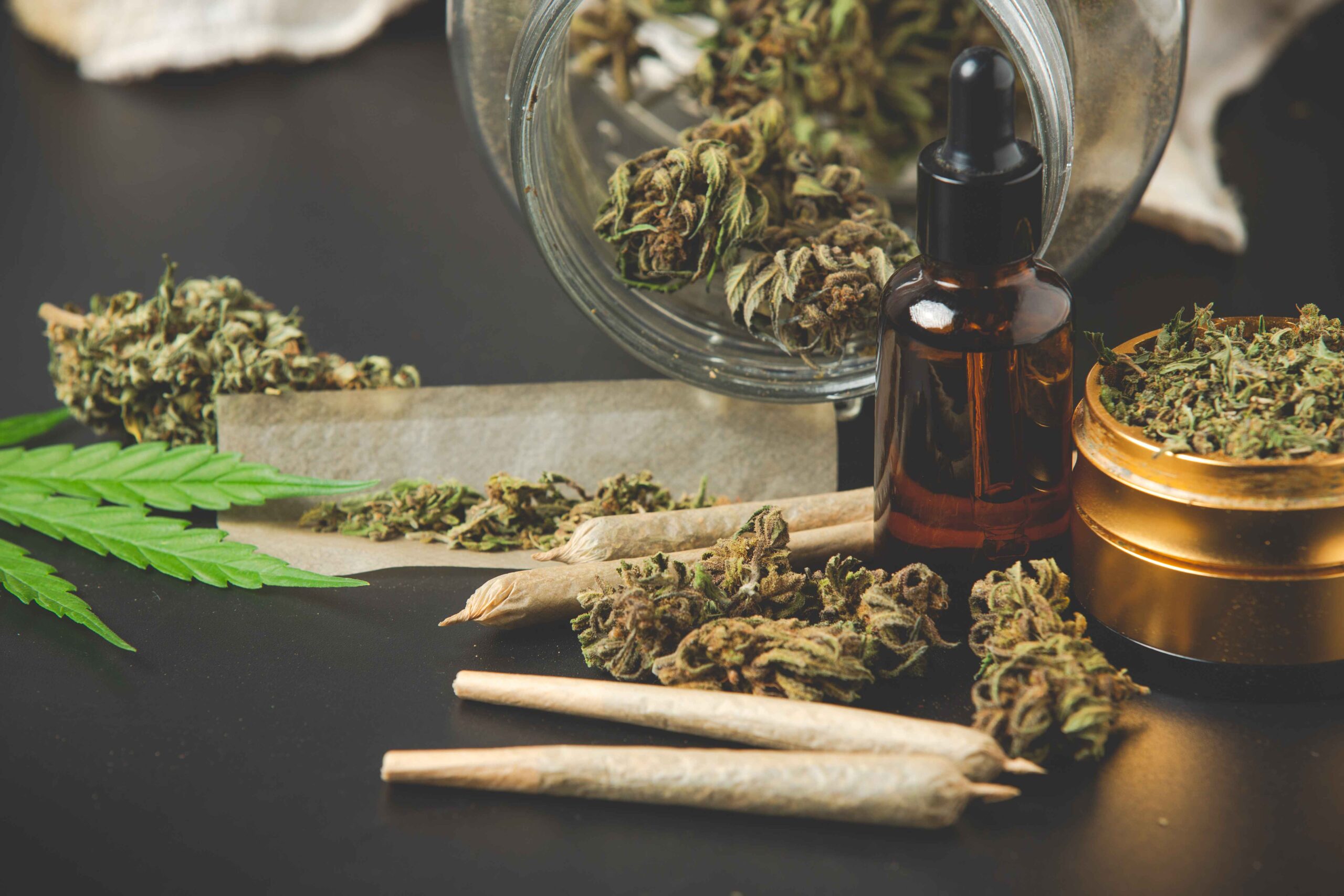
Marijuana is often regarded as a recreational substance since many people use marijuana primarily for its psychoactive effects—such as relaxation, euphoria, or altered perception—rather than for medical reasons.
Is Marijuana a Recreational Drug?
I). Definition of a Recreational Drug
A recreational drug is a substance used primarily for enjoyment, pleasure, or altered mental states rather than for medical purposes. These drugs are often consumed to induce euphoria, relaxation, or heightened sensory experiences. Marijuana fits this definition due to its widespread use for social and leisure purposes, driven by THC’s psychoactive effects. THC (tetrahydrocannabinol), a substance found in marijuana, which is generated from the cannabis plant is scientifically proven to impact on the body and brain. Although it has acknowledged medical uses as well, it is generally categorized as a recreational drug due to its extensive non-medical use for enjoyment and leisure.
II). Historical Context of Marijuana as a Recreational Drug
1. Culturally Diverse Historical Recreational Use
Because of the euphoric effects of THC, marijuana, which is derived from the Cannabis plant, has been used recreationally for thousands of years. Texts from ancient China (c. 2000 BCE) mentioned cannabis as a sedative and euphoric drug. During festivals, people in India (c. 1000 BCE) drank cannabis-based beverages like bhang for social and spiritual pleasure. Poets and mystics in the Middle East (about 1000 CE) used hashish to unwind and be creative. Tribes smoked or used cannabis in public places in Africa. There is little evidence to support recreational usage in ritualistic settings in pre-Columbian Americas.
2. Evolution of Marijuana’s Recreational Popularity
Marijuana’s recreational use evolved through global trade, cultural shifts, and legal changes. During the colonial era (15th–19th centuries), cannabis spread via trade routes, with recreational use noted in Mexico, the Caribbean, and among European intellectuals. In the early 20th century, U.S. prohibition (e.g., 1937 Marihuana Tax Act) suppressed open use due to racial stigmas, though underground use persisted. The 1960s–1970s counterculture movement popularized marijuana as a symbol of rebellion, driven by music and events like Woodstock. By the late 20th century, advocacy and media normalized its use. The 21st century saw legalization (e.g., Colorado 2012, Canada 2018), making recreational marijuana mainstream, with a $40 billion market by 2023, fueled by diverse products and cannabis tourism.
Important Influences:
a). Cultural Exchange: Trade channels allowed cannabis to be used recreationally all over the world.
b). Technological Advancements: New modes of consumption (such as edibles and vaporizers) and high-THC strains increased attractiveness.
c). Social Movements: Social settings influenced recreational use from prehistoric rituals to the counterculture.
Legal Changes: Use was restricted by prohibition; legalization sparked a leisure sector..
The main ideas of marijuana’s historical recreational usage and development—from prehistoric cultural customs to a contemporary worldwide phenomenon—are encapsulated in this synopsis.
1. Purpose of Use
Recreational marijuana: Used for social interactions, mood enhancement, relaxation, and pleasure.
Medical marijuana is prescribed or suggested to treat certain illnesses, such as anxiety, epilepsy, chronic pain, or symptoms of cancer.
2. Legal Access
Recreational: Available only in regions or countries where it is legalized for adult use, usually with age restrictions (e.g., 18+ or 21+).
Medical: Requires a doctor’s recommendation or prescription and is dispensed through licensed medical dispensaries.
3. THC and CBD Content
Recreational: Often higher in THC to maximize psychoactive effects.
Medical: Strains or products may have a balance of THC and CBD, or sometimes higher CBD (which is non-psychoactive), depending on the patient’s needs.
4. Regulation and Dosage
Recreational: Users control their own dosage, typically through smoking, vaping, or edibles, without medical supervision.
Medical: Dosage, strain, and form (oils, capsules, tinctures, edibles) are guided by medical advice to treat a condition.
5. Social Perception
Recreational: Associated with leisure, entertainment, or lifestyle choices.
Medical: Viewed as a therapeutic tool and often carries less stigma where legalized.
The primary distinction is that medical marijuana is used as a treatment under expert supervision, whereas recreational marijuana is used for fun.
III). Legal Status of Marijuana as a Recreational Drug
1. Global Perspectives
The legal status of marijuana for recreational use differs by country. It is completely legal in Uruguay (2013) and Canada (2018), with controlled sales and possession limitations of 30 and 40 grams, respectively. Although recreational usage is permitted in 24 U.S. states, it is still prohibited on a federal level. Despite continuous delays in regulations, Mexico decriminalized it in 2021. In Europe, the Netherlands permits minimal usage, whereas Malta (2021) and Germany (2023) permit restricted use. While South Africa (2018) and Thailand (2022) have decriminalized personal use, the majority of Asian and African nations still have stringent prohibitions. In 2020, the Capital Territory of Australia legalized small amounts..
2. Legalization Trends
Legalization is accelerating globally, led by Uruguay, Canada, and U.S. states like Colorado (2012). Europe is liberalizing, with Malta and Germany at the forefront. Thailand and South Africa reflect emerging acceptance in Asia and Africa. The UN’s 2020 rescheduling of cannabis has spurred reforms, driven by economic benefits (e.g., $2.3 billion in Colorado tax revenue by 2023) and evidence of limited public health risks.
3. Regulatory Frameworks
Legal systems include age limits (19–21), possession caps (7–30g), licensed dispensaries, and mandatory testing for safety. High taxes fund public services but can sustain black markets. Home cultivation (e.g., four plants in Canada) is often allowed. Public use and advertising are restricted, and DUI laws address impairment, though testing challenges persist.
IV). Comparison with Other Drugs Used for Recreation
1. Addiction Potential
Cannabis: Dependency risk is moderate (around 9–10% of users); it is lower than that of nicotine and opioids
Alcohol: High addiction potential; withdrawal can be dangerous.
Tobacco/Nicotine: Extremely high rates of addiction (about 30% of users develop dependence).
Cocaine/Opioids: Extremely high dependence potential; withdrawal can be severe or life-threatening.
2. Health Risks
Cannabis: Impaired memory/coordination, respiratory risks (if smoked), possible mental health effects with heavy use.
Alcohol: Liver damage, cancer risk, accidents, violent behavior.
Tobacco: Leading cause of preventable deaths (cancer, heart disease, lung disease).
Cocaine/Opioids: Overdose risk, heart attack, stroke, severe long-term organ and brain damage.
3. Overdose Potential
Cannabis: No recorded fatal overdose; very low risk, though high doses may cause anxiety or psychosis.
Alcohol: High risk of fatal overdose (alcohol poisoning).
Tobacco: Overdose unlikely but long-term health consequences are severe.
Cocaine/Opioids: Very high risk of fatal overdose, especially with opioids.
4. Social & Cultural Acceptance
Cannabis: Increasingly accepted, legal for medical/recreational use in many regions.
Alcohol: Widely accepted culturally and socially across most societies.
Tobacco: Still legal but increasingly restricted due to health concerns.
Cocaine/Opioids: Strongly stigmatized, strictly illegal in most countries.
5. Impact on Behavior
Cannabis: Rarely associated with aggressive behavior include relaxation, altered perception, and decreased coordination..
Alcohol: Impaired judgment, aggression, violence, accidents.
Tobacco: Stimulant but mild effects; no major behavioral impairment.
Cocaine/Opioids: Intense euphoria followed by crash; risky, compulsive behavior common.
V). Social and Cultural Impact
1. Social Impact
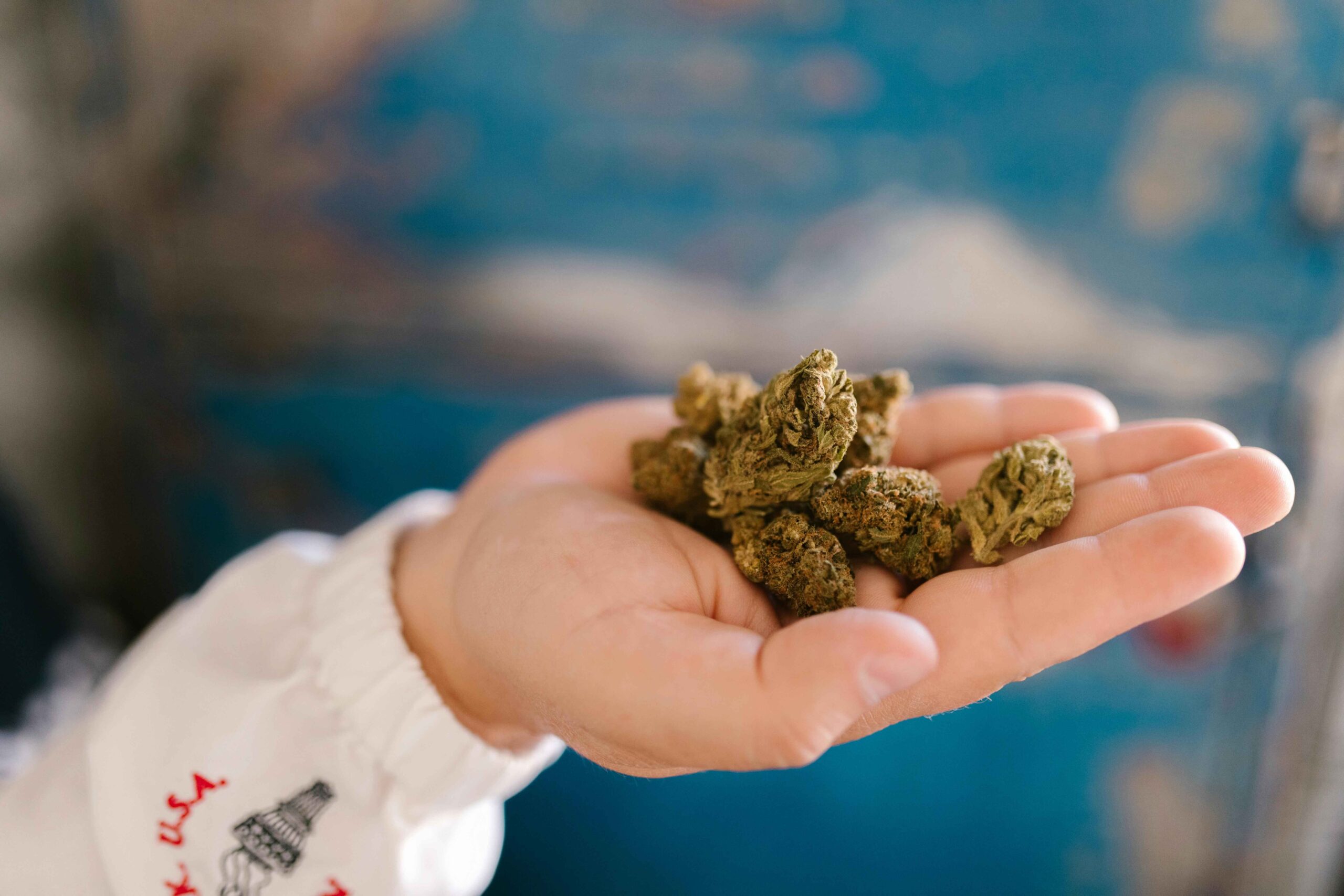
Changing Perceptions: Once heavily stigmatized, cannabis is increasingly accepted, especially for medical use.
Youth Influence: Normalization may encourage experimentation, raising concerns about underage use.
Public Health: Increased access can reduce reliance on more harmful substances (e.g., opioids) but may also raise risks of misuse.
Criminal Justice: Legalization has reduced arrests and incarceration rates in many regions, addressing long-standing issues of disproportionate penalties.
Community Safety: Regulated markets reduce black-market activity but concerns remain about impaired driving and workplace safety.
2. Cultural Impact
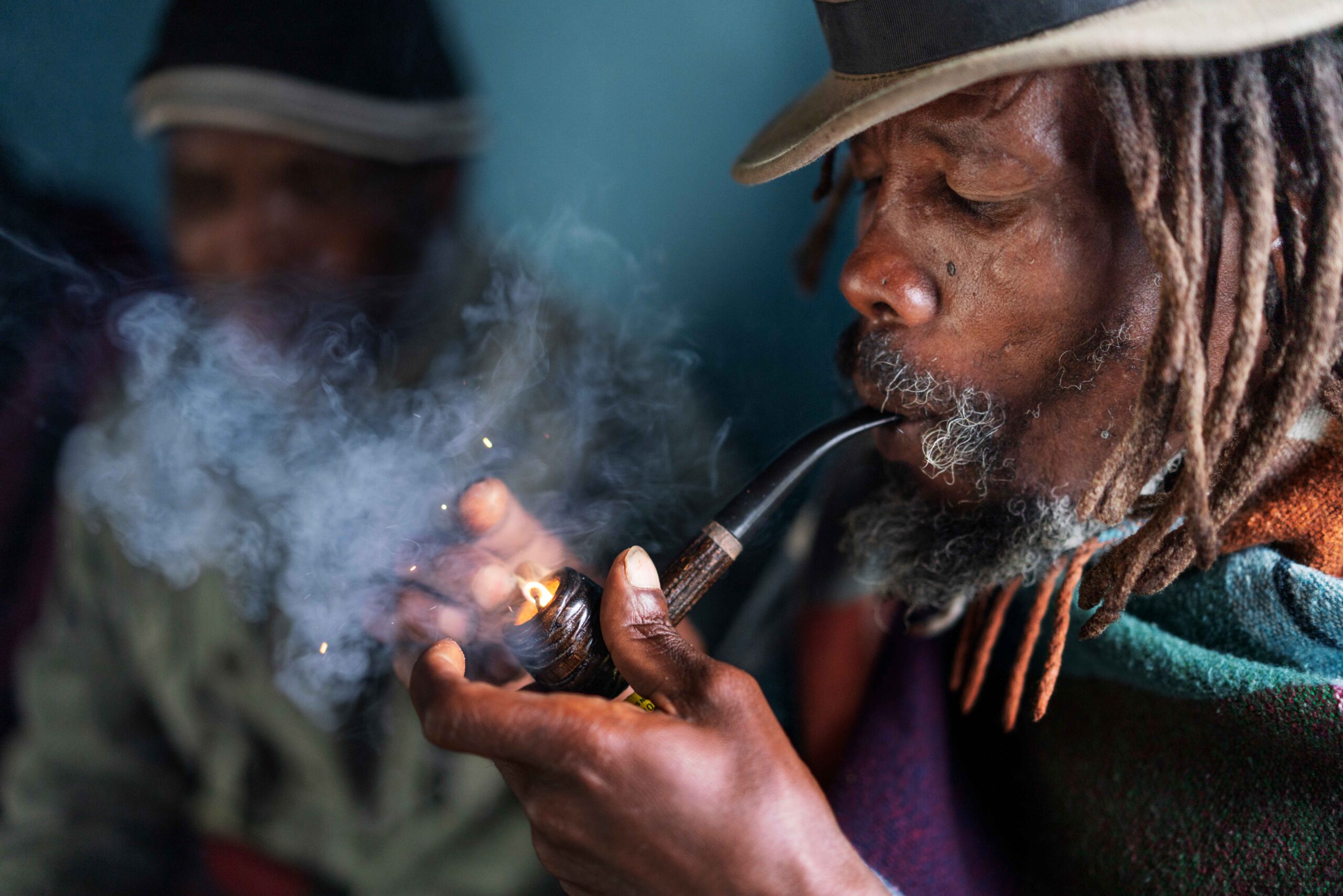
Traditional Use: Cannabis has roots in ancient medicine, rituals, and spiritual practices in places like India, Africa, and the Middle East.
Counterculture Symbol: In the 1960s–70s, cannabis became a symbol of rebellion, freedom, and artistic expression.
Mainstream Integration: Today, it is featured in music, film, fashion, and even wellness culture (CBD in skincare, teas, yoga).
Cultural Divide: While some communities embrace it as natural and healing, others still view it as morally or socially harmful.
Globalization: Legal reforms and media portrayals have made cannabis culture more universal, though attitudes vary widely by country and religion.
3. Economic & Social Shifts
Job Creation: Legal cannabis industries generate employment in farming, retail, and research.
Social Equity Programs: Some regions are creating policies to help communities disproportionately affected by cannabis-related arrests participate in the new legal industry.
Tourism: Places with legal cannabis (like Amsterdam, Colorado, or Canada) attract cannabis-driven tourism.
VI). Risk and Controversies
1. Health Risks
Mental Health: Heavy use may increase risk of anxiety, depression, or psychosis, especially in vulnerable individuals.
Cognitive Effects: Impaired memory, learning, and attention span—particularly concerning for adolescents.
Respiratory Issues: Smoking can irritate lungs, leading to chronic bronchitis (though less severe than tobacco).
Dependency: About 1 in 10 users develop cannabis use disorder.
Impaired Driving: Slows reaction time and coordination, increasing accident risks.
2. Social Risks
Youth Access: Legalization raises concerns about underage use and brain development.
Workplace Safety: Impairment may affect performance and safety-sensitive jobs.
Addiction Gateway Debate: Some argue cannabis use may lead to harder drugs, though evidence is mixed.
3. Medical Controversies
Efficacy Debate: While cannabis helps with pain, nausea, epilepsy, etc., some argue evidence is limited or inconsistent.
Dosage Control: Hard to standardize compared to conventional medicine.
CBD vs. THC Debate: Disagreements on the medical value of THC versus non-psychoactive CBD.
4. Legal and Ethical Controversies
Legalization Divide: Some countries/states permit cannabis, others ban it strictly.
Social Equity: Critics argue legalization mainly benefits big corporations, while communities most harmed by prohibition still suffer.
Regulation Issues: Balancing public health, taxation, and black-market control remains a challenge.
International Law: Cannabis remains restricted under UN drug treaties, creating conflict with national legalization efforts.
5. Cultural & Moral Debates
Stigma vs. Acceptance: Some view it as medicine or harmless recreation, others see it as a vice.
Religious Views: Differ widely—some faiths embrace its spiritual role, others condemn its use.
Pop Culture Influence: Music and media often glamorize cannabis, sparking debates on youth influence.
VII). Economic Aspects
1. Market Growth
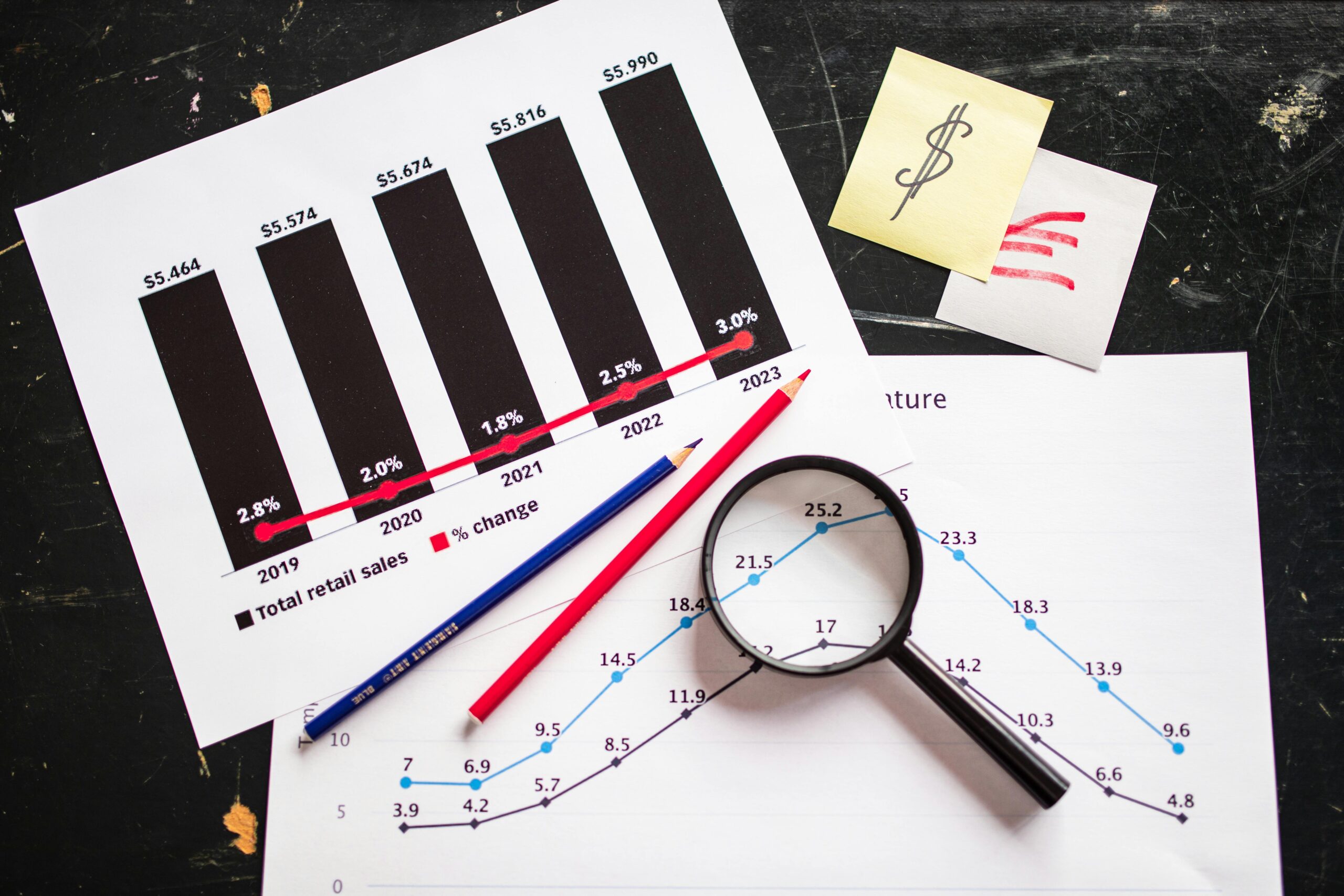
Global Expansion: The legal cannabis market is projected to reach hundreds of billions of dollars in the next decade.
Medical & Recreational Segments: Medical use dominates in some regions, while recreational sales are the major driver where fully legalized.
Ancillary Businesses: Packaging, testing labs, security, and technology services benefit from industry growth.
2. Job Creation
Cultivation & Processing: Growers, lab technicians, extraction specialists.
Retail & Distribution: Dispensaries, delivery services, product development.
Support Services: Marketing, legal, research, agriculture equipment.
Example: In the U.S., the cannabis industry already supports hundreds of thousands of jobs.
3. Tax Revenue
Government Benefits: States/countries with legal cannabis earn billions in tax revenue.
Public Services Funding: Taxes often directed toward schools, healthcare, infrastructure, and drug prevention programs.
Tourism Boost: “Cannabis tourism” (e.g., Amsterdam, Colorado, Canada) adds further tax income.
4. Black Market vs. Legal Market
Challenge: Illegal cannabis remains cheaper in many regions due to lower regulation/tax costs.
Goal of Legalization: Reduce black market activity while ensuring safety and quality control.
Controversy: Over-taxation can push consumers back to illicit sellers.
5. Investment & Innovation

Startups & Big Corporations: Cannabis attracts investors in biotech, pharmaceuticals, beverages, and wellness products.
CBD Industry: Exploded into skincare, supplements, and beverages with lower regulatory hurdles than THC.
Research Funding: Growing opportunities for clinical trials, agriculture tech, and product innovation.
6. Social Equity & Economic Justice
Past Criminalization: Communities heavily penalized for cannabis in the past may be excluded from today’s profits.
Equity Programs: Some regions create business opportunities, reduced licensing fees, or loans for affected groups.
Criticism: Large corporations often dominate, sidelining small growers and traditional communities.