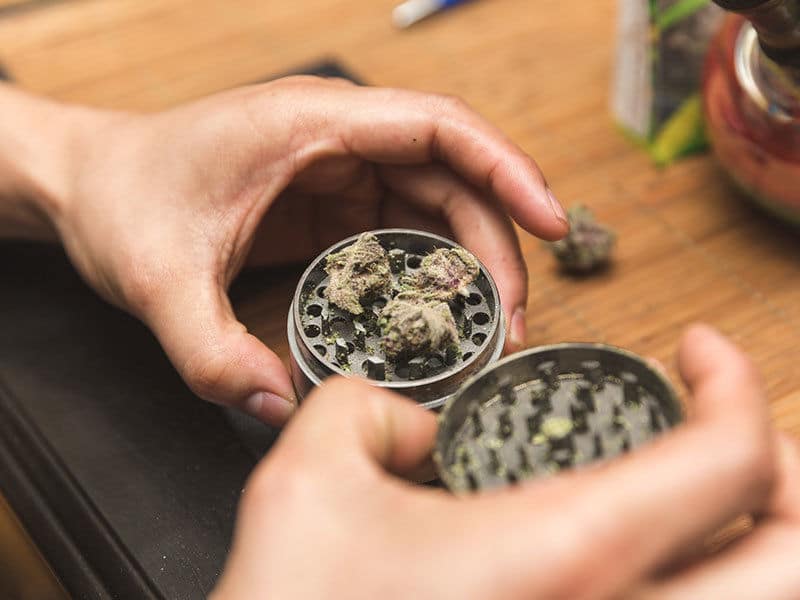
A Cannabis grinder is an essential instrument for crushing buds into a fine, uniform consistency for rolling, packaging, or vaping. Despite their smooth turning design, grinders can become sticky or stiff over time as a result of resin accumulation. This frequently prompts people to wonder if cannabis grinders utilize lubricant. Grinders are generally not safe to use lubricants, so the short answer is NO. Rather, they remain like new with consistent washing and maintenance.
Do Cannabis Grinders Use Lubricant ?
A). How Cannabis Grinders Work
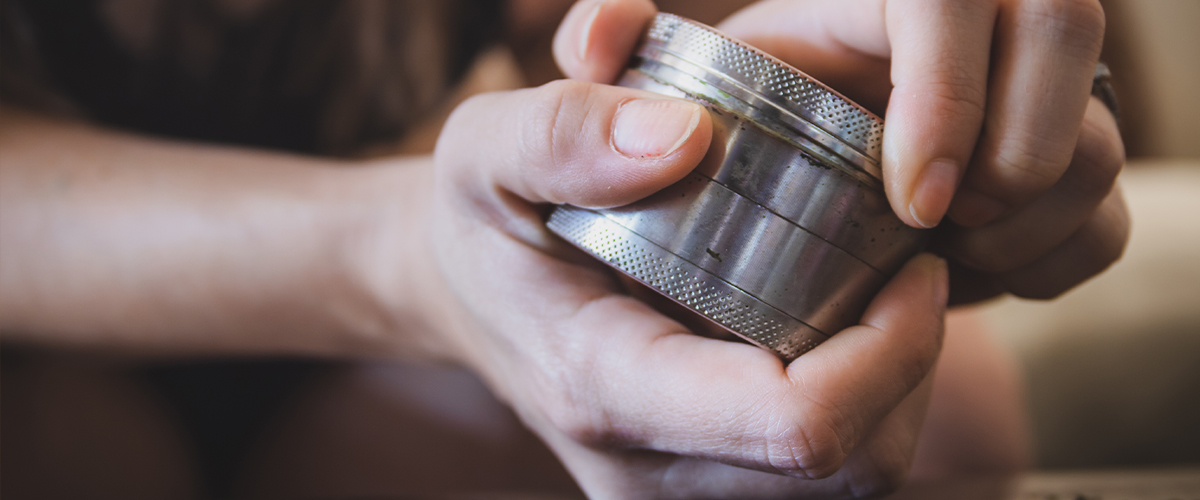
For easier smoking, vaping, or rolling, a cannabis grinder is a basic yet necessary device that breaks down dense buds into smaller, uniformly sized bits. The grinding procedure guarantees consistent burning, increases airflow in joints or bowls, and greatly simplifies the handling of cannabis.
The majority of grinders are made up of two, three, or four parts, each of which has a somewhat different purpose.
-
Lid and Teeth
-
The lid usually has sharp, diamond-shaped teeth that align with the teeth in the grinding chamber.
-
When the lid is twisted, the teeth tear and shred the cannabis buds into fine particles.
-
-
Grinding Chamber
-
Located beneath the lid, this chamber collects the shredded cannabis.
-
Holes in the base of the chamber allow smaller pieces to fall through while larger chunks stay behind for further grinding.
-
-
Collection Chamber (3-piece and 4-piece grinders)
-
Once ground fine enough, cannabis falls into this middle section.
-
It stores the herb until it’s ready to be used.
-
-
Kief Catcher (4-piece grinders)
-
The bottom chamber collects kief (the fine, powdery trichomes that break off during grinding).
-
This is highly potent and often saved for stronger hits, edibles, or concentrates.
-
The twisting motion is what makes the grinder effective. As you rotate the lid back and forth, the teeth cut through sticky buds while the chambers separate larger chunks from finer material. A smooth-turning grinder ensures less effort, more consistent herb, and a cleaner smoking experience.
B). Do Cannabis Grinders Use Lubricant?
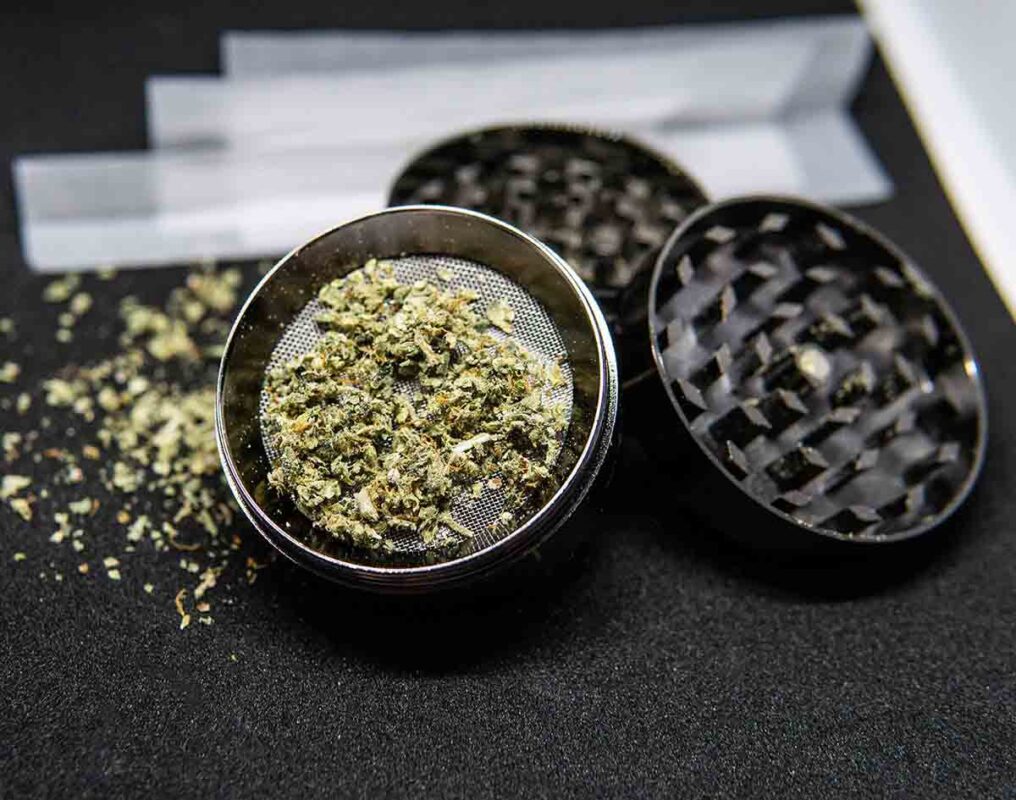
Many individuals believe that a grinder just needs a small amount of lubricant, such as cooking oil, mineral oil, or even WD-40, when it becomes stiff or challenging to twist. This may make sense, but the reality is that lubricants are not intended for use with cannabis grinders.
Grinders become sticky due to resin buildup rather than being “dry” or low in lubrication. Over time, sticky trichomes that are naturally produced by cannabis cover the grinder’s teeth and walls. The friction caused by this sticky layer makes turning the grinder more difficult.
Though there are significant risks involved, using lubricants may momentarily make the grinder feel smoother, Lets examine the following risk involved :
Oils or greases can contaminate your cannabis, making it unsafe to smoke or vape.
-
Lubricants can alter the flavor and aroma of your buds, ruining their natural quality.
-
Non-food-safe chemicals (like WD-40) can leave behind toxic residues that are harmful when inhaled.
Instead of lubrication, the proper solution is cleaning. A quick brush, a soak in isopropyl alcohol, or the freezer-and-scrape method will restore your grinder’s smooth twist without compromising health or taste.
C). Risks of Using Lubricants
Using lubricants in a cannabis grinder might seem like a quick fix for stiffness, but it actually creates more problems than it solves. Here are the main risks:
-
Health Concerns
-
Most lubricants (WD-40, machine oil, petroleum jelly, etc.) are toxic when heated or inhaled.
-
Even food oils like olive oil or coconut oil can go rancid, growing bacteria or mold.
-
When cannabis comes into contact with these substances, smoking or vaping it may expose you to harmful chemicals.
-
-
Flavor and Quality Impact
-
Cannabis is valued for its inherent flavor and aroma. Lubricants interfere with the experience by leaving a lingering flavor or odor.
-
Oils can coat trichomes, reducing potency and altering the effects of your cannabis.
-
-
Grinder Damage
-
Grease and oils tend to trap dust, dirt, and resin, making the grinder clog faster.
-
Over time, the grinder becomes harder to clean because the sticky mix of oil and resin forms a thick residue.
-
Some lubricants may also corrode metal parts or damage plastic grinders.
-
-
Fire and Safety Hazards
-
Certain chemical lubricants are flammable. Exposing them to a lighter, joint, or vaporizer heat source could pose serious risks.
-
D). Safe Alternatives to Lubricants
Instead of using oils, grease, or chemical lubricants, you can keep your grinder working smoothly with safe and effective methods. These approaches remove sticky resin buildup and restore smooth turning without contaminating your cannabis.
1. Regular Cleaning
-
After each use, tap the grinder gently to shake out loose particles.
-
Use a soft brush or toothbrush to sweep away bits of cannabis stuck in the teeth or corners.
-
This simple habit prevents resin buildup and keeps the grinder spinning freely.
2. Isopropyl Alcohol Cleaning (for metal grinders only)
-
Take apart the grinder and soak the pieces in isopropyl alcohol (90% or higher) for 20–30 minutes.
-
Use a brush or cotton swab to scrub away softened resin.
-
Rinse thoroughly with warm water and dry completely before reassembling.
-
Avoid this method for plastic or acrylic grinders, as alcohol may damage them.
3. Freezing Method
-
Place the grinder in the freezer for 30–60 minutes.
-
Once the resin hardens, gently tap or scrape it off using a small tool, like a toothpick or plastic scraper.
-
Bonus: The collected resin (kief) can be saved and smoked later.
4. Boiling Water Rinse (metal grinders only)
-
Boil water and carefully place grinder parts in for a few minutes.
-
This loosens resin and makes it easier to clean with a brush.
-
Dry completely afterward to prevent rust.
5. Food-Safe Options (Last Resort)
-
If you absolutely need smoother rotation, a tiny drop of food-grade mineral oil on the outside edges (not near the teeth or chamber) may help.
-
Wipe away excess oil immediately to prevent contamination.
-
Still, cleaning is always safer and more effective than oiling.
E). Best Practices for Grinder Maintenance
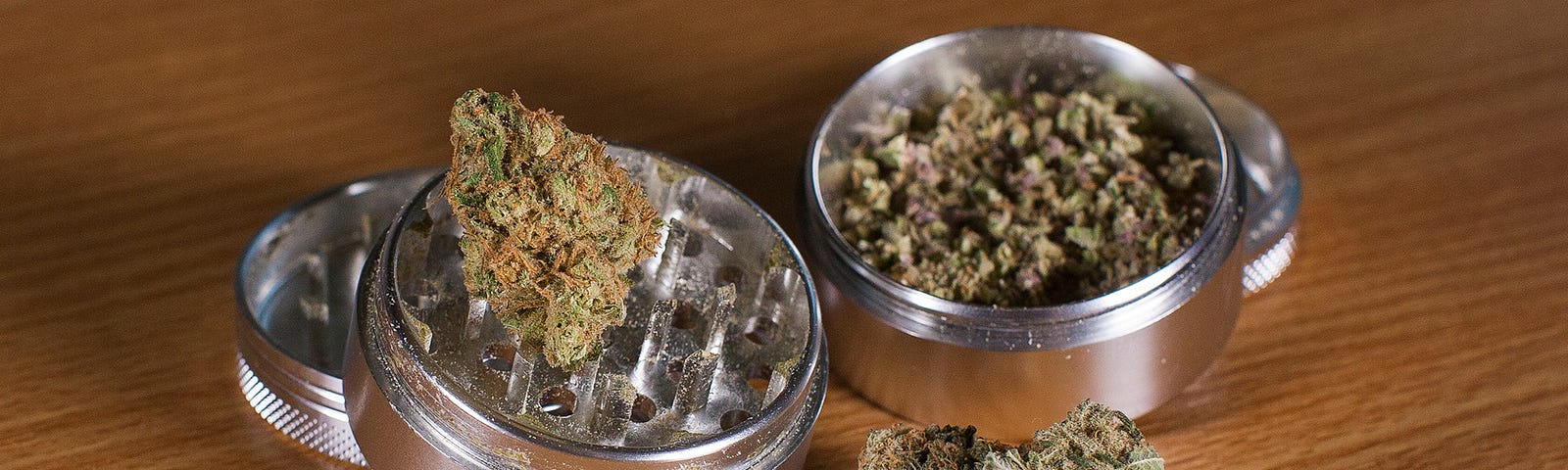 A grinder that turns smoothly and stays clean doesn’t just make your cannabis experience better—it also preserves the flavor, potency, and quality of your buds. Here’s how to properly care for it:
1. Clean Regularly (Light & Deep Cleaning)
-
After Each Use (Light Clean):
-
Tap the grinder gently to knock out loose herb.
-
Use a soft brush, paintbrush, or old toothbrush to sweep away plant particles.
-
Wipe down the teeth and chambers with a dry cloth.
-
-
Every 1–2 Weeks (Deep Clean):
-
Metal grinders: Soak parts in isopropyl alcohol (90%+) for 20–30 minutes, scrub with a brush, then rinse with warm water and dry fully.
-
Plastic/acrylic grinders: Avoid alcohol; instead, use warm soapy water, rinse thoroughly, and air-dry.
-
2. Use the Right Tools
-
Cotton swabs/Q-tips: Great for cleaning tight corners with alcohol.
-
Plastic scraper (kief tool): Helps collect kief without damaging screens.
-
Toothpicks: Perfect for loosening debris in grooves.
Avoid knives or sharp metal objects that can scratch, warp, or ruin the grinder’s finish.
3. Handle With Care
-
If your grinder feels stuck, don’t force it—forcing can damage the threads or break acrylic parts.
-
Instead, place it in the freezer for 30–60 minutes, then twist gently; hardened resin will break off more easily.
4. Store Properly
-
Keep your grinder in a cool, dry place away from moisture and humidity to prevent mold or rust.
-
Avoid leaving ground cannabis inside the grinder for too long—it can trap moisture, cause clogs, and make cleaning harder.
5. Maintain the Threads
-
The screw threads often collect sticky resin. Clean them with a brush or cotton swab dipped in isopropyl alcohol.
-
For smoother turning, keep threads dry and free of buildup.
6. Care for the Screen (in 4-piece grinders)
-
Don’t press or bend the fine mesh screen—it’s delicate and easy to tear.
-
Clean it gently with a soft brush or soak in alcohol if clogged.
-
Collect kief carefully to avoid damaging the mesh.
7. Avoid Contaminants
-
Only grind cannabis in your grinder—tobacco, flavored herbs, or oils create extra residue and cleaning headaches.
-
Never add oils, cooking sprays, or lubricants to “fix” stiffness; they ruin flavor and can be unsafe to inhale.
F). Frequently Asked Questions
1. Can I use cooking oil on my grinder?
No. Oils like olive or coconut oil go rancid over time and can contaminate your cannabis with unpleasant tastes and harmful bacteria.
2. What if my grinder feels stiff or hard to turn?
This usually means there’s resin buildup, not a lack of lubrication. Try cleaning it with isopropyl alcohol (for metal grinders) or freezing it to harden and scrape off resin.
3. How often should I clean my grinder?
-
Light cleaning: after each use (tap out herb and brush teeth).
-
Deep cleaning: every 1–2 weeks, depending on how often you grind.
4. Is WD-40 or machine oil safe to use?
Absolutely not. These are toxic chemicals and should never come in contact with cannabis that you plan to smoke or vape.
5. Can I boil my grinder to clean it?
Yes, but only if it’s metal. Boiling loosens resin, making it easier to clean. Plastic or acrylic grinders may warp or crack.
6. What’s the safest way to keep my grinder smooth?
The safest methods are regular cleaning, proper storage, and gentle handling—not lubricants.
G). Conclusion
Cannabis grinders don’t need any form of lubricant because they are designed to function smoothly on their own. Resin buildup, not a shortage of oil, is nearly always the reason why your grinder becomes stuck or feels hard to twist. Although it may seem like a quick remedy, adding lubricants like WD-40, cooking oil, or machine grease can destroy your grinder, contaminate your cannabis, and potentially add dangerous compounds to the smoke or vape.
Regular cleaning, storing your grinder in a dry location, and using the appropriate tools for maintenance are the safest and most efficient ways to keep it in good working order. You can keep your grinder operating like new without running the danger of contamination by using techniques like brushing, alcohol soaking, freezing, or boiling (for metal grinders).
At the end of the day, a well-maintained grinder means more consistent grinds, better-tasting cannabis, and a longer-lasting tool. 🌿✨ Remember: cleaning beats lubricating—every time.