Recognizing the Causes and the 4 Stages of Drug Abuse
Drug abuse does not happen overnight — it is a gradual process that often begins with seemingly harmless choices. For many people, the journey starts with curiosity, experimentation, or peer influence. What begins as occasional use may slowly turn into regular patterns, then risky behaviors, and ultimately full-blown dependence or addiction.
Knowing the phases of drug usage is essential because it enables us to spot the warning indicators early. Intervention can stop someone from falling further into the cycle of abuse if it is identified in its early stages. In addition to people, parents, educators, medical professionals, and entire communities can all benefit from this knowledge.
The effects of drug misuse extend well beyond physical health. It affects relationships, productivity, mental health, and even one’s legal status. For those caught in it, the downward spiral frequently seems uncontrolled, but understanding how it starts can help identify potential strategies to stop, stop, and even reverse the process.
This essay deconstructs the four primary phases of drug misuse, from experimentation to addiction, to highlight how minor decisions can have significant repercussions and, more crucially, how taking early action can facilitate recovery.
4 Stages of Drug Abuse | Details Uncovered
I). Experimentation Stage
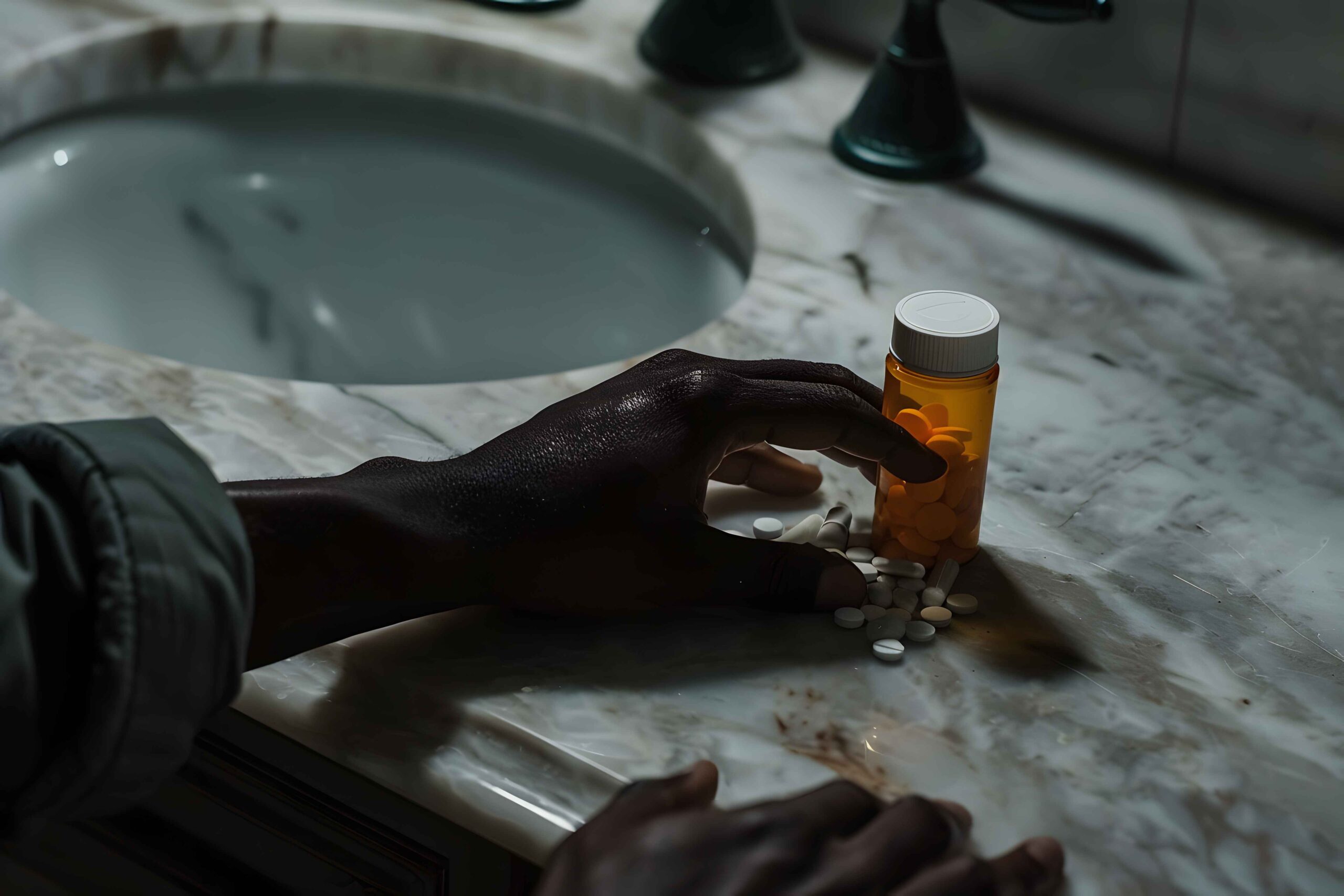
The first stage of drug abuse often begins with curiosity. At this point, a person tries a drug for the first time, usually without any intention of becoming dependent. Many believe they are “just experimenting” or that one-time use will not cause harm. While this stage may feel harmless, it sets the foundation for potential misuse and future addiction.
Why Experimentation Happens
Curiosity: A natural desire to explore and experience something new.
Peer Pressure: Friends or social groups may encourage trying a drug “just once.”
Perception of Safety: Some think prescription drugs, alcohol, or marijuana are “safe” compared to harder substances.
Escape or Fun: Trying substances as a way to relax, cope with boredom, or seek excitement.
Common Examples of Experimentation
A teenager sipping alcohol at a party.
A college student trying marijuana because friends are doing it.
Someone taking a prescription painkiller that wasn’t prescribed to them, just to “see how it feels.”
Warning Signs at This Stage
Talking casually about trying drugs or drinking.
Associating more with friends who use substances.
Increased curiosity about how drugs affect the body or mind.
Minor behavioral changes, such as staying out late or becoming secretive.
Risks of Experimentation
Underestimating consequences: Even a single use can lead to accidents, risky behavior, or health issues.
Gateway effect: Experimentation increases the likelihood of moving to regular use.
False sense of control: People often believe they can stop anytime, not realizing how easy it is to slip into the next stage.
II). Regular Use Stage
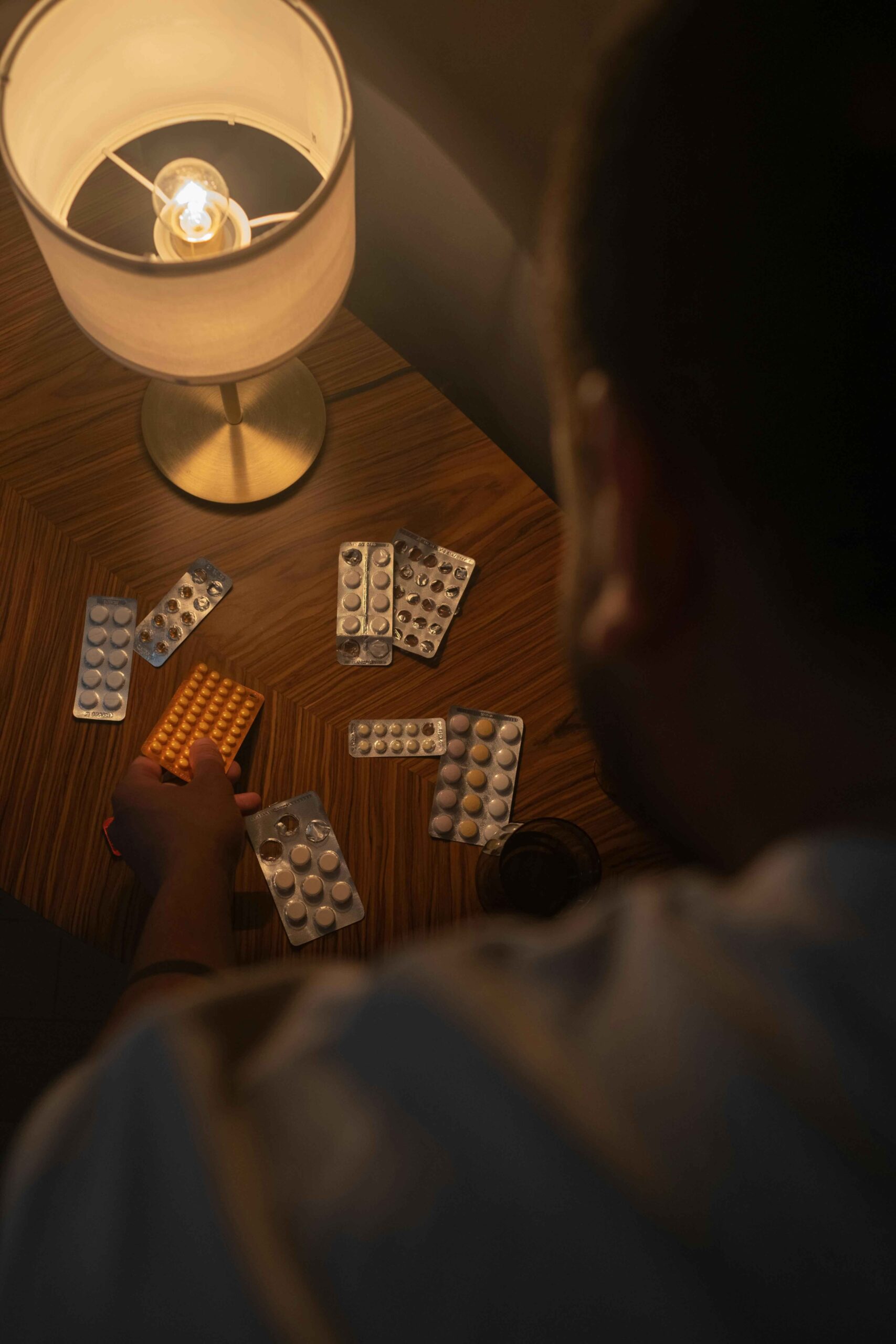
After the experimentation phase, some individuals move into regular use. At this stage, drugs or alcohol are no longer just occasional experiences but begin to play a consistent role in a person’s life. While the individual may still feel they are in control, patterns are forming that can easily escalate into more dangerous behavior.
Why Regular Use Develops
Social Routine: The drug becomes linked with specific settings — for example, drinking every weekend with friends or smoking marijuana to relax after work.
Stress Relief: People start using substances as a coping mechanism for stress, anxiety, or emotional pain.
Habit Formation: The brain begins associating certain activities or moods with drug use, reinforcing the habit.
Tolerance Begins: The body starts adapting, requiring slightly higher doses for the same effect, encouraging continued use.
Common Examples of Regular Use
A student drinking alcohol at most social gatherings, not just occasionally.
An employee using prescription stimulants every week to stay focused on demanding projects.
Someone turning to painkillers or sedatives more frequently than prescribed.
Warning Signs at This Stage
Predictable patterns: Using drugs or alcohol on a schedule (e.g., every Friday night).
Behavioral changes: Becoming more secretive about activities or new friend groups.
Shift in priorities: Making social or recreational plans around substance use.
Mild consequences: Occasional hangovers, missed responsibilities, or mood swings.
Risks of Regular Use
Increased tolerance: The body begins needing more of the substance to feel the same effects.
Gateway to risky use: Regular exposure increases the chance of impulsive or heavy consumption.
False confidence: Many at this stage believe they can quit anytime, ignoring the growing habit.
Health strain: Even without addiction, regular use can affect sleep, appetite, and mood stability.
III). Risky Use/Problematic Use Stage
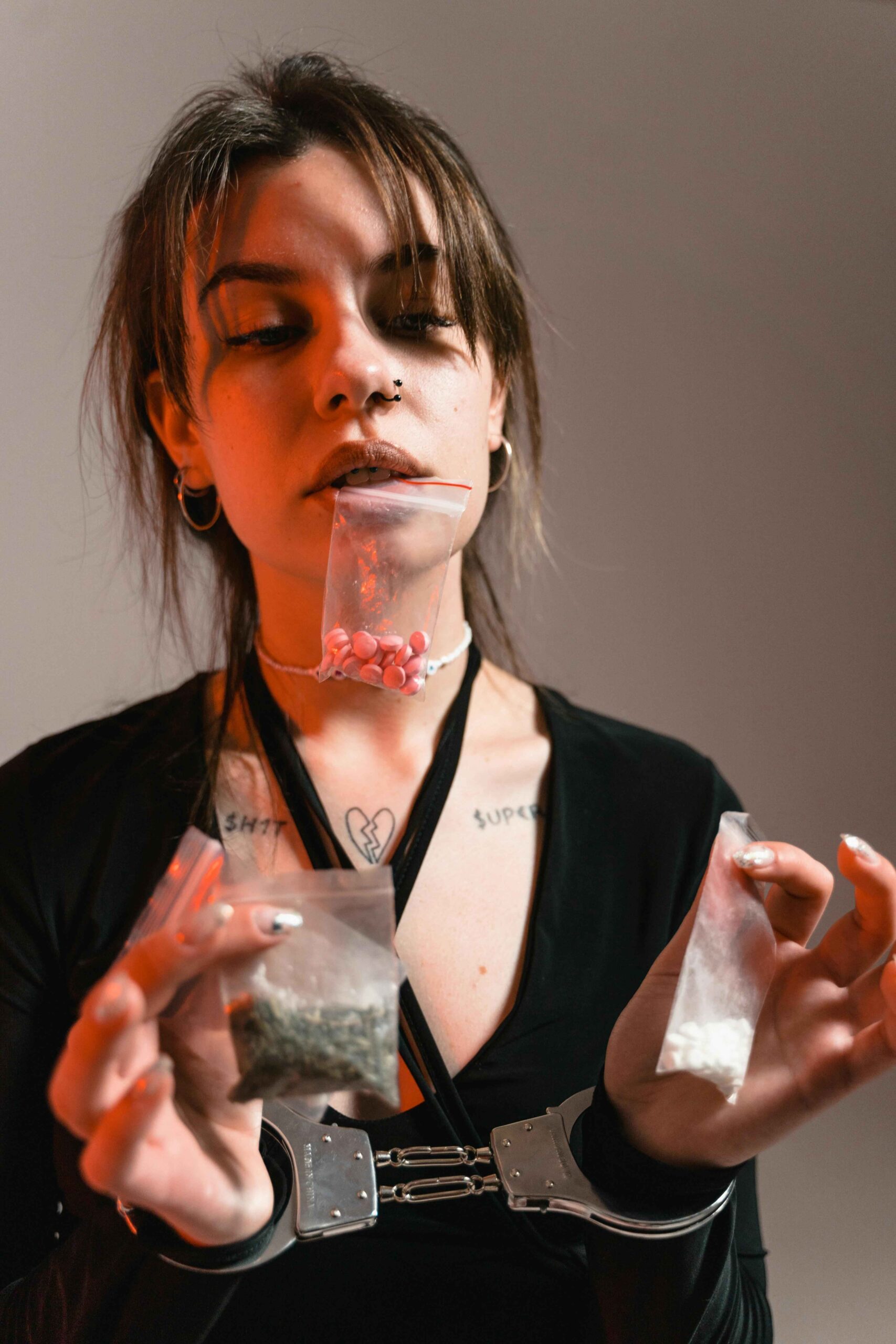
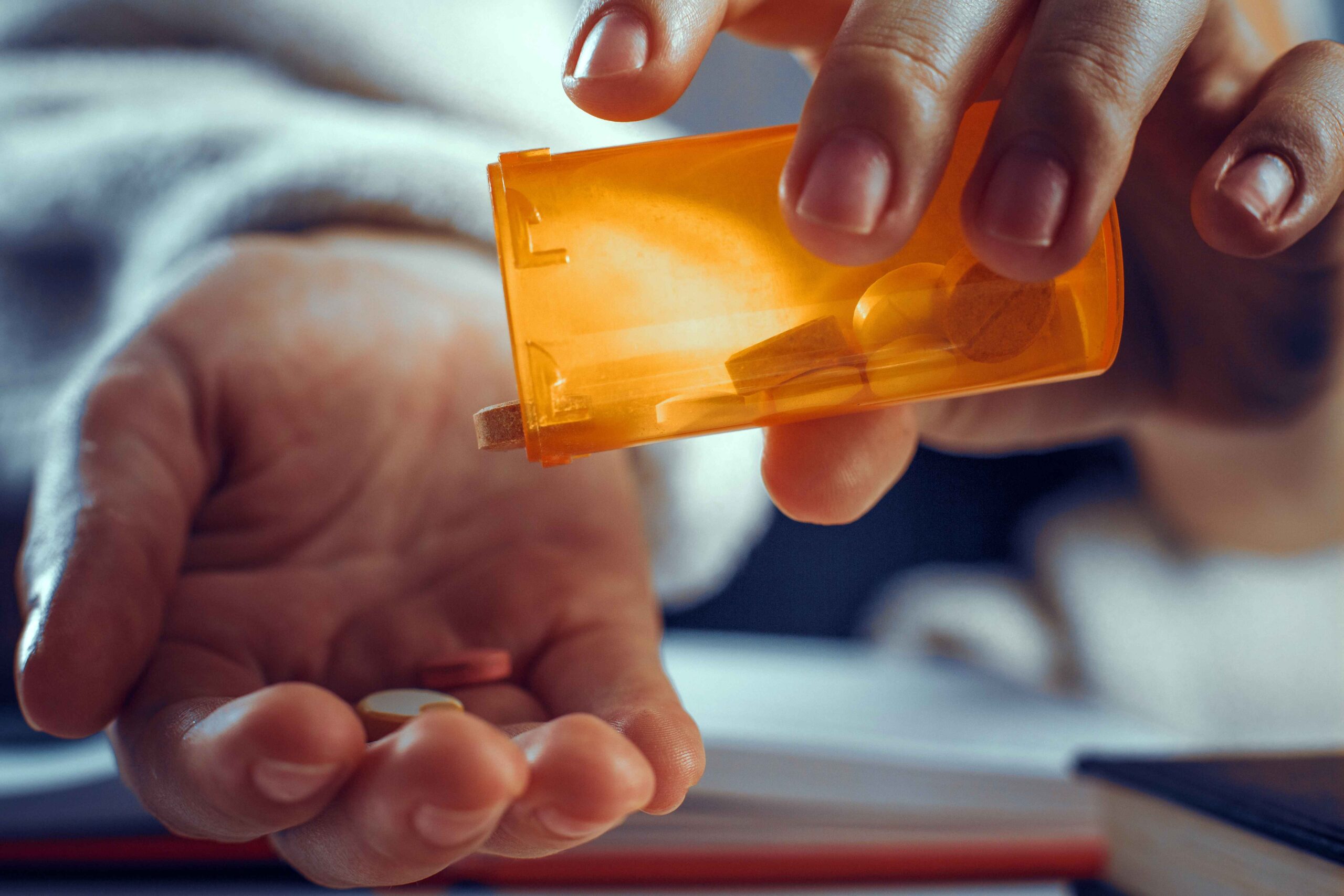
At this stage, substance use shifts from being a habit to becoming a serious problem. The individual is no longer just “using” drugs; they are beginning to experience negative consequences in their health, relationships, and daily responsibilities. This stage is often the most noticeable to friends, family, and coworkers because the effects are harder to hide.
Why Risky Use Develops
Tolerance Growth: The body now requires larger amounts to achieve the same “high” or relief.
Psychological Dependence: The drug becomes a go-to solution for stress, loneliness, or unhappiness.
Social Normalization: The person surrounds themselves with others who also use, making it feel “normal.”
Loss of Control: Occasional slips into overuse (e.g., binge drinking) become more frequent.
Common Examples of Risky Use
A college student binge drinking regularly, leading to blackouts or fights.
A worker abusing prescription painkillers daily, struggling to meet job demands.
Someone driving under the influence, despite knowing the risks.
Mixing drugs or alcohol in dangerous combinations (e.g., opioids with alcohol).
Warning Signs at This Stage
Declining performance: Falling grades at school, missed work deadlines, or frequent absences.
Behavioral issues: Irritability, mood swings, or reckless decisions.
Neglecting responsibilities: Ignoring family duties, bills, or personal health.
Increased secrecy: Hiding drugs, lying about usage, or avoiding loved ones.
Legal or financial trouble: Fines, arrests, or excessive spending on substances.
Risks of Risky Use
Severe health impacts: Liver strain, heart issues, impaired immune system, or overdose risk.
Damaged relationships: Conflicts with family, friends, or partners.
Safety concerns: Drunk driving, unsafe sex, or accidents under the influence.
Gateway to addiction: The brain and body are now highly conditioned to crave the substance.
III). Dependence and Addiction Stage
This stage represents the most severe level of drug abuse. What may have started as occasional or social use has now developed into full dependence — where the body and mind rely on the substance to function “normally.” At this point, quitting without professional help becomes extremely difficult, and the risks to health, relationships, and life itself are at their peak.
Why Dependence Develops
Physical Dependence: The body adapts to the constant presence of the drug, and stopping causes painful withdrawal symptoms (e.g., sweating, nausea, tremors, insomnia).
Psychological Dependence: The drug becomes tied to emotional well-being — the person feels they cannot cope with stress, sadness, or even daily life without it.
Cravings and Loss of Control: Despite knowing the harm, the individual continues to use compulsively.
Common Examples of Dependence and Addiction
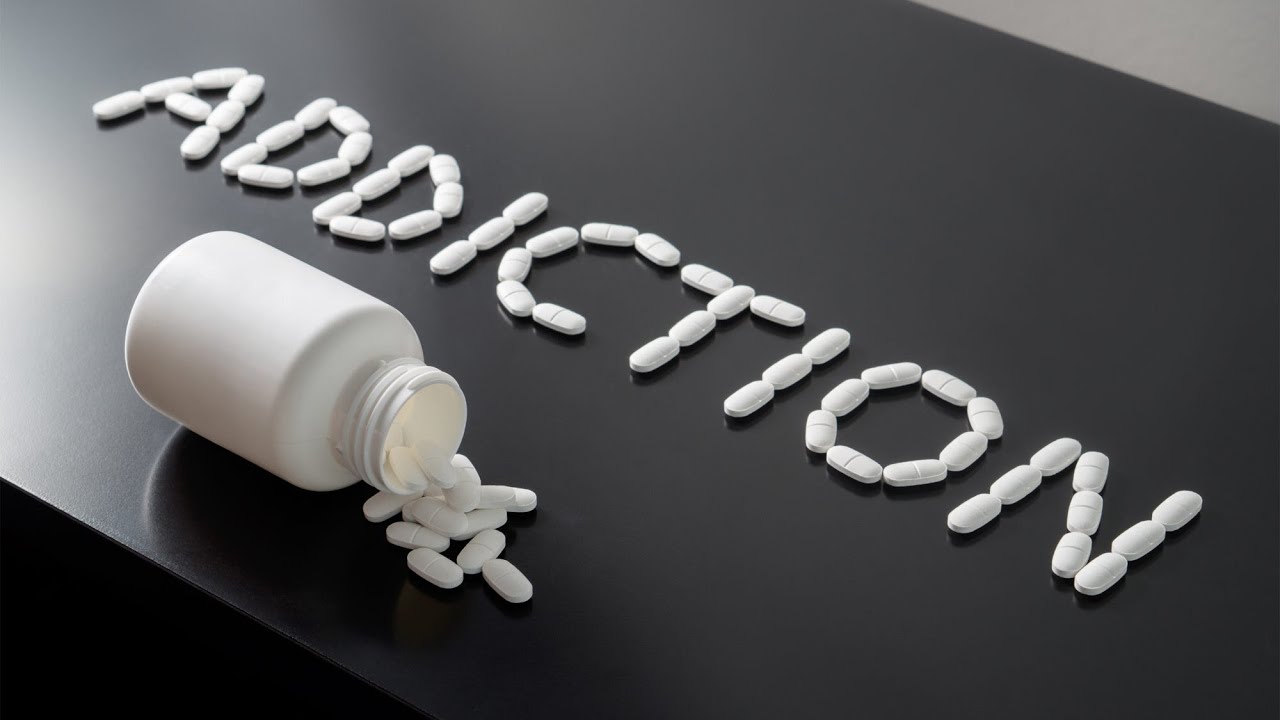
Someone unable to start their day without drinking or taking a pill.
A person experiencing severe withdrawal symptoms when they try to stop using.
Continuously using drugs even after losing a job, relationships, or financial stability.
Choosing drugs over family, friends, and personal goals.
Warning Signs at This Stage
Severe withdrawal symptoms when not using.
Total loss of control — promises to quit are repeatedly broken.
Isolation — withdrawing from loved ones and social activities.
Physical decline — weight loss, fatigue, poor hygiene, frequent illness.
Legal and financial collapse — arrests, debts, or theft to fund the addiction.
Risks of Dependence and Addiction
Life-threatening health conditions: Heart disease, liver damage, respiratory failure, or fatal overdose.
Chronic mental health issues: Severe depression, anxiety, paranoia, or psychosis.
Broken relationships: Divorce, estrangement from family, loss of friendships.
Irreversible damage: Career loss, permanent criminal records, social stigma.
Death: Addiction is one of the leading causes of preventable death worldwide.
Path to Recovery
Although this is the hardest stage, recovery is still possible with the right support some of which include:
Medical treatment: Detoxification and medications to ease withdrawal.
Therapy and counseling: Addressing psychological triggers.
Rehabilitation programs: Long-term recovery and lifestyle rebuilding.
Support networks: Family, peer groups, and community programs.
Prevention: Breaking the Cycle Early
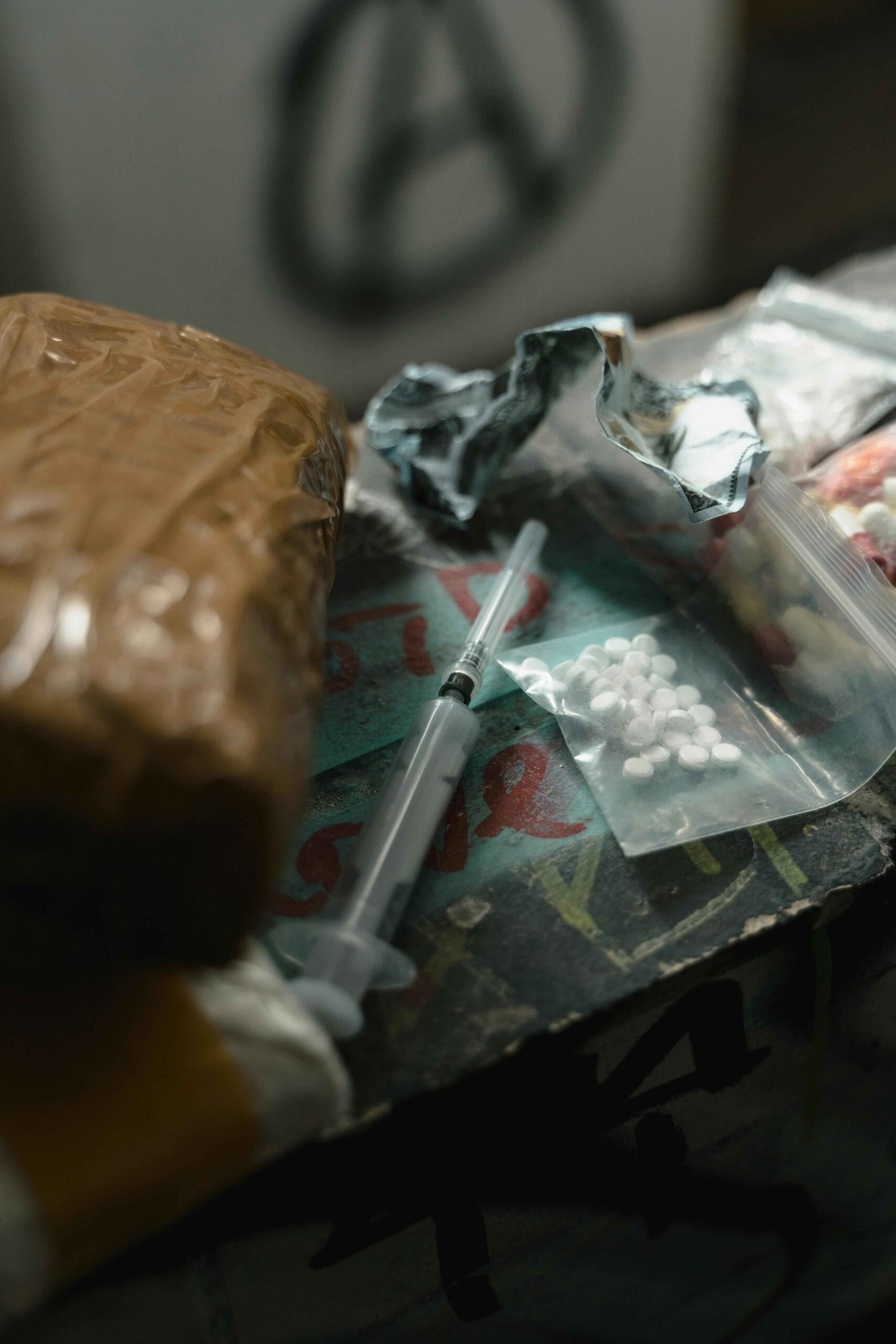
Drug abuse doesn’t happen overnight — it develops gradually, often starting with experimentation and building into dependency. The most effective way to combat drug abuse is to intervene early before the cycle progresses to addiction. Prevention strategies focus on education, awareness, healthy alternatives, and support systems that reduce the likelihood of drug misuse in the first place.
Education and Awareness
School programs: Teaching students about the dangers of drugs, peer pressure resistance, and healthy coping skills.
Community outreach: Campaigns, seminars, and workshops that raise awareness about the risks of drug abuse.
Parental guidance: Open conversations between parents and children about drugs, choices, and consequences.
Strengthening Protective Factors
Positive peer influence: Surrounding individuals with friends who make healthy choices.
Strong family bonds: A supportive home environment reduces the appeal of drugs.
Mentorship: Having role models and mentors who encourage positive growth and resilience.
Engaging activities: Sports, arts, volunteering, or hobbies that provide excitement and purpose without drugs.
Early Detection and Intervention
Recognizing warning signs: Noticing changes in mood, behavior, or academic/work performance.
Providing counseling: Early therapy sessions for stress, anxiety, or depression can prevent self-medication with drugs.
Access to healthcare: Ensuring people can get medical help for pain or mental health issues without resorting to drug misuse.
Policy and Community Support
Drug-free environments: Schools, workplaces, and communities can implement strict no-drug policies.
Accessible resources: Hotlines, rehab centers, and community programs that offer immediate help.
Law enforcement partnerships: Preventing illegal drug circulation through stricter regulation and enforcement.
Personal Prevention Strategies
Building resilience: Developing coping skills for stress, rejection, or failure without turning to substances.
Setting goals: A strong sense of purpose makes drug abuse less appealing.
Staying informed: Keeping up with the latest facts about the dangers of both legal and illegal drugs.
Conclusion: There Is Hope for Recovery
Drug abuse is a progressive journey that often begins with curiosity and ends in dependence if not addressed early. By understanding the four stages of drug abuse — Experimentation, Regular Use, Risky Use, and Dependence — we gain the insight needed to recognize warning signs and act before it’s too late.
But here’s the good news: drug abuse is not a life sentence. Countless individuals have broken free from the cycle, rebuilt their lives, and found lasting fulfillment without substances. With the right mix of education, early prevention, strong support systems, and professional treatment, recovery is always possible.
For families and communities, prevention begins with open conversations, awareness, and encouragement of healthier alternatives. For those already struggling, seeking help through counseling, rehabilitation programs, and medical care can open the door to healing. No matter how far someone has gone down the path of addiction, there is always a way back.